Why Workplace Safety and Compliance Matter More Than Ever
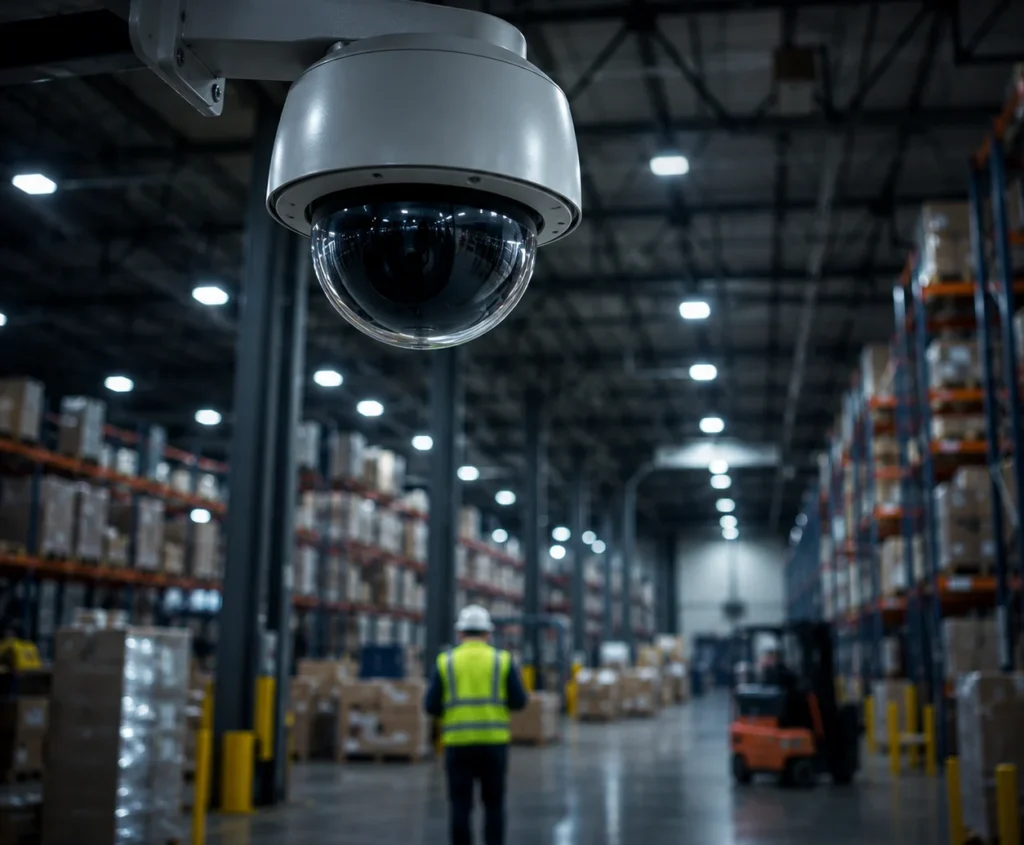
Workplace safety and regulatory compliance are critical priorities for organizations operating in manufacturing plants, warehouses, pharmaceutical facilities, healthcare environments, construction sites, logistics centers, energy facilities, and industrial operations. A single safety incident can lead to employee injuries, operational disruptions, regulatory penalties, reputational damage, and increased operational costs.
Despite comprehensive safety policies and compliance programs, many organizations still rely on manual supervision, periodic inspections, and incident reporting to identify risks. These conventional methods frequently fail to identify issues until after an incident has taken place.
As businesses seek more proactive safety strategies, AI-powered video analytics is emerging as a powerful tool for continuously monitoring workplace conditions and improving compliance performance.
Common Workplace Safety Challenges
Organizations frequently encounter challenges such as:
- Inconsistent PPE usage
- Unsafe employee behavior
- Restricted area violations
- Forklift and pedestrian interactions
- Failure to follow safety procedures
- Delayed incident reporting
- Limited visibility across multiple facilities
- Difficulty enforcing compliance consistently
These issues can increase operational risk and make it difficult to maintain safe working environments.
How CAPASai Enhances Workplace Safety and Compliance
CAPASai combines AI-powered video analytics, intelligent CCTV monitoring, and real-time alerting to help organizations identify safety risks and compliance violations as they occur.
Using existing CCTV infrastructure, CAPASai continuously analyzes workplace activities, employee movements, equipment interactions, and operational processes to detect unsafe conditions and procedural deviations.
CAPASai helps organizations:
- Improve workplace safety visibility
- Monitor compliance in real time
- Detect unsafe behaviors automatically
- Generate instant alerts
- Support incident investigations
- Accelerate corrective actions
- Strengthen safety governance across locations
The platform supports manufacturing, pharmaceuticals, healthcare, logistics, warehousing, construction, energy, utilities, food processing, retail, transportation, and public infrastructure environments.
How AI Video Analytics Improves Workplace Safety
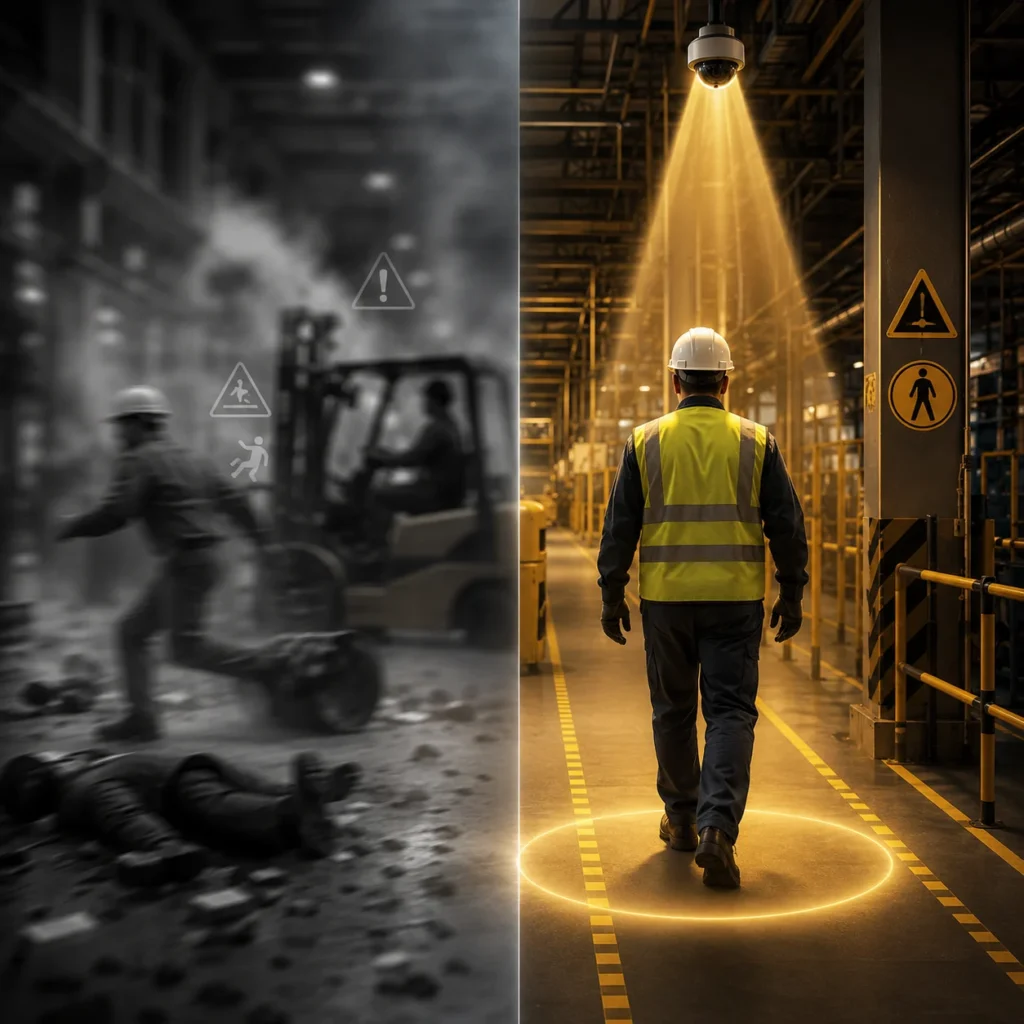
AI-powered video analytics continuously monitors workplace activities and identifies potential safety risks before they escalate.
PPE Compliance Monitoring
Verify whether employees are wearing required safety equipment such as:
- Safety helmets
- High-visibility vests
- Protective gloves
- Safety glasses
- Face masks
- Protective clothing
Restricted Area Monitoring
Detect unauthorized access to hazardous or controlled environments.
Forklift and Pedestrian Safety
Monitor interactions between workers and moving equipment to identify collision risks.
Unsafe Behavior Detection
Identify behaviors that may increase the likelihood of accidents or injuries.
Emergency Response Monitoring
Provide real-time visibility during safety incidents and critical events.
Safety Procedure Verification
Confirm adherence to workplace safety protocols and operational standards.
Traditional Safety Monitoring vs AI Video Analytics
Traditional Monitoring | AI Video Analytics |
Periodic inspections | Continuous monitoring |
Manual observations | Automated detection |
Reactive incident response | Proactive risk identification |
Limited coverage | 24/7 visibility |
Human-dependent monitoring | AI-assisted analysis |
Delayed reporting | Real-time alerts |
This enables organizations to address risks before incidents occur.
Workplace Safety Applications Across Industries
Manufacturing Plants
Monitor machine safety, PPE compliance, operational procedures, and employee safety practices.
Warehouses and Logistics Centers
Track forklift operations, loading activities, pedestrian safety, and access control.
Pharmaceutical Facilities
Verify gowning procedures, hygiene protocols, cleanroom compliance, and restricted access requirements.
Construction Sites
Monitor worker safety practices, equipment interactions, and site compliance.
Healthcare Facilities
Verify hygiene standards, safety procedures, and access restrictions.
Energy and Utilities
Monitor critical operational areas, maintenance procedures, and safety compliance.
Real-Time Alerts for Immediate Action
When a safety risk or compliance deviation is detected, supervisors can receive instant notifications that may include:
- Incident type
- Location details
- Timestamp information
- Snapshot evidence
- Video references
- Risk classification
This allows teams to intervene quickly and prevent escalation.
Supporting Safety Audits and Compliance Programs
AI video analytics helps organizations strengthen compliance initiatives by providing objective operational visibility.
Evidence-Based Auditing
Capture documented evidence of workplace activities and compliance events.
Regulatory Readiness
Maintain records that support internal and external audits.
Consistent Monitoring
Apply the same safety standards across all locations.
Performance Measurement
Track compliance trends and safety performance metrics over time.
Benefits of AI-Powered Workplace Safety Monitoring
Improved Employee Protection
Identify risks before they result in injuries.
Stronger Compliance Performance
Monitor adherence to safety procedures continuously.
Faster Incident Response
Enable immediate action when hazards are detected.
Reduced Operational Risk
Reduce the amount of disturbance brought on by mishaps and noncompliance.
Better Multi-Site Governance
Maintain consistent safety standards across facilities.
Enhanced Operational Visibility
Provide management with real-time insight into workplace conditions.
How AI Supports CAPA and Continuous Improvement
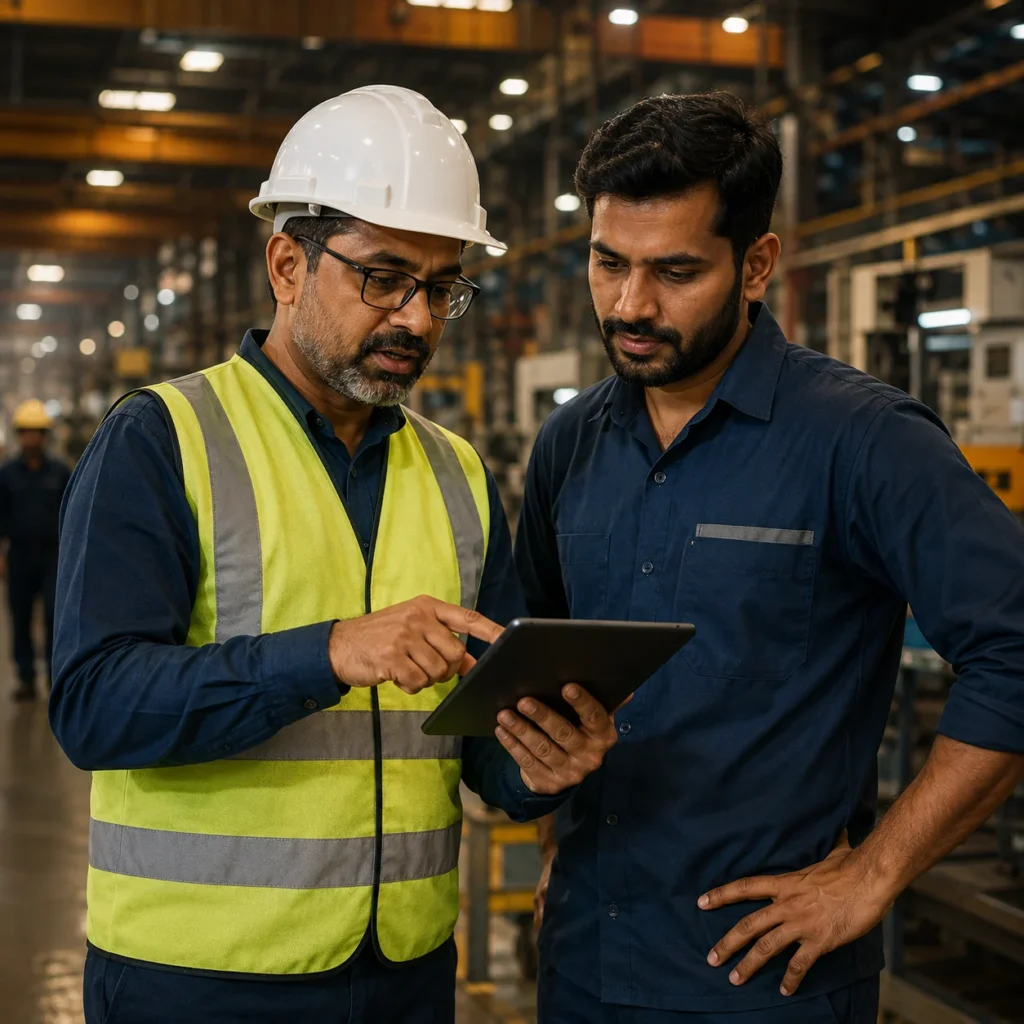
Safety management requires more than identifying incidents. Organizations must understand why risks occur and prevent recurrence.
AI video analytics helps support:
Root Cause Analysis
Review objective video evidence associated with incidents and near misses.
Corrective Actions
Address operational weaknesses and procedural gaps.
Preventive Actions
Identify recurring patterns that may create future risks.
Employee Training
Use real-world examples to reinforce safety awareness.
Continuous Improvement
Optimize safety programs using operational intelligence.
Why Businesses Are Using AI Video Analytics for Security
Organizations increasingly require safety solutions that provide continuous visibility rather than relying solely on manual oversight.
AI-powered video analytics helps businesses:
- Improve workplace safety
- Strengthen compliance programs
- Reduce operational risk
- Enhance employee protection
- Improve incident response
- Support regulatory compliance
- Drive continuous improvement initiatives