Bharat Heavy Electricals Limited (BHEL) operates a wide manufacturing and engineering network serving power, transmission, transportation, defence, aerospace, and other strategic sectors. Heavy machinery, material handling, fabrication, machining, assembling, testing, lifting operations, and intricate maintenance tasks are all part of its manufacturing facilities. These environments require consistent adherence to safety procedures, making AI-based SOP analytics and video analytics relevant tools for strengthening workplace monitoring.
BHEL already has an Occupational Health and Safety Management System across its manufacturing units, Power Sector Regions, and divisions. Its 2024–25 annual report also describes HIRA, safety inspections, audits, training, and other established processes for identifying and controlling workplace hazards.
Where AI Can Strengthen BHEL’s Safety Framework
The current safety mechanisms at BHEL rely on defined protocols and human oversight. AI can add continuous observation to this framework.
Video analytics can analyse camera feeds and identify predefined conditions such as a worker entering a restricted area, missing PPE, unsafe proximity to equipment, or an obstruction in a designated pathway.
AI-based SOP analytics goes a step further by connecting those observations with specific operating procedures. Instead of simply detecting a person in an area, the system can determine whether that presence represents a deviation from a defined safety rule.
Potential applications include:
- PPE compliance in workshops and manufacturing areas
- Restricted-zone monitoring
- Worker-crane and worker-vehicle proximity
- Safe access around heavy machinery
- Material-handling safety
- Housekeeping and obstruction detection
- Selected maintenance and work-permit conditions
The objective should be to support safety personnel with timely information rather than replace human judgement.
AI Applications Across BHEL Manufacturing Facilities
BHEL’s operations vary considerably between manufacturing locations. This makes a site-specific analytics strategy more practical than applying identical video rules everywhere.
Heavy Manufacturing And Fabrication
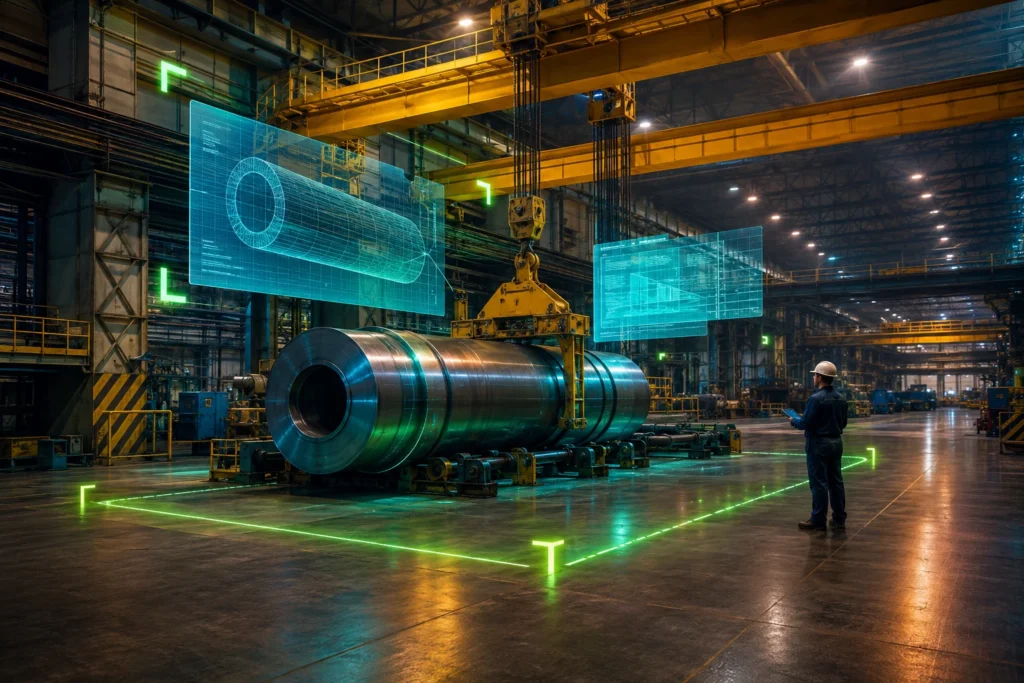
Large components, cranes, machining equipment, welding activities, and material movement create multiple opportunities for computer vision. AI can monitor selected exclusion zones, lifting areas, PPE requirements, and worker-equipment interactions.
Assembly And Testing Areas
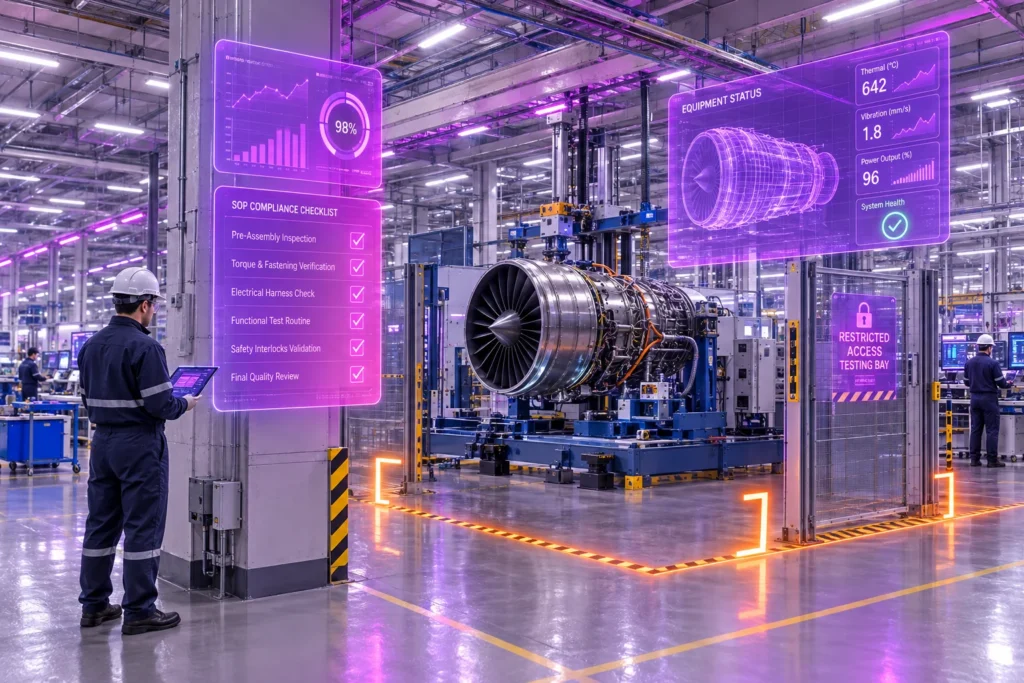
Assembly and testing operations can involve complex equipment and controlled workspaces. Video analytics can identify unauthorised access, unsafe positioning, or deviations from selected visual safety requirements.
Warehousing And Material Movement
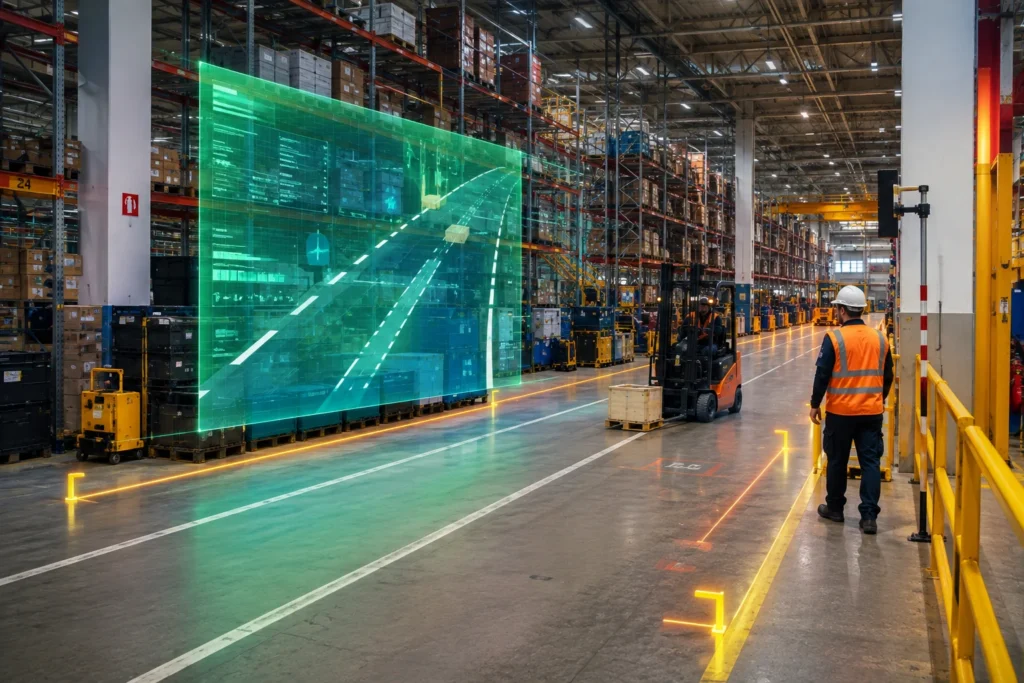
AI can monitor vehicle movement, pedestrian access, loading zones, and defined pathways. It can also help identify recurring congestion or unsafe interactions between workers and material-handling equipment.
Turning SOPs Into Observable Rules
Not every SOP can be evaluated through video. The strongest candidates are procedures containing conditions that can be reliably observed by cameras or sensors.
SOP Requirement | Possible AI Detection | Response |
Mandatory PPE | Detect missing protective equipment | Supervisor alert |
Crane exclusion zone | Detect personnel in protected area | Immediate warning |
Restricted access | Identify unauthorised entry | Security notification |
Safe vehicle movement | Monitor defined zones and routes | Escalation |
Housekeeping | Detect selected obstructions | Inspection request |
Equipment-area safety | Detect unsafe worker proximity | Intervention |
From Incident Review To Preventive Monitoring
One important advantage of video analytics is the ability to identify conditions before they become incidents. It can also make investigations more efficient by allowing safety teams to search recorded footage using specific events or time periods.
More importantly, repeated alerts can reveal patterns.
If a particular workshop repeatedly records PPE deviations, BHEL can investigate whether the issue is related to PPE availability, signage, training, supervision, or work design. If unsafe proximity events repeatedly occur around a particular crane route, the underlying cause may require changes to traffic management or exclusion zones.
A Practical Deployment Model For BHEL
BHEL can begin with high-risk, clearly defined scenarios rather than attempting organisation-wide deployment immediately.
The first step should be to map critical SOPs and identify which requirements can be reliably observed through cameras. Existing camera coverage, network connectivity, lighting, computing infrastructure, cybersecurity, and data-retention requirements should then be assessed.
A pilot can be conducted at selected manufacturing locations. Models should be tested under actual conditions, including welding glare, dust, changing illumination, equipment obstruction, and crowded work areas.
After validation, successful applications can be connected to existing safety workflows. Every critical alert should have an assigned response owner and escalation process.
Measuring The Business And Safety Impact
The effectiveness of AI-based SOP analytics should be measured through outcomes rather than the number of cameras or alerts generated.
BHEL could track:
- Reduction in recurring SOP deviations
- Safety-alert response time
- PPE compliance
- Restricted-zone violations
- Worker-equipment proximity events
- False-positive rates
- Incident investigation time
- Corrective-action closure time
- Reduction in manual surveillance effort
Frequently Asked Questions
It is the use of AI to analyse visual and operational information against predefined safety or operating procedures and identify potential deviations.
It can continuously monitor selected areas for PPE violations, restricted access, unsafe worker-equipment proximity, vehicle movement, and other predefined conditions.
Potentially. Existing cameras can be evaluated for resolution, positioning, field of view, connectivity, and lighting before being integrated with suitable analytics applications
Yes. Potential applications include crane-path monitoring, worker-equipment proximity, material-handling areas, restricted zones, PPE detection, and selected housekeeping conditions.