Retail theft becomes a much larger security concern when the same business experiences one incident after another. Repeated losses can also create pressure on store teams, security personnel and investigators, particularly when events happen across several days. The Winnipeg Repeat Retail Theft investigation illustrates why retailers can benefit from technology that helps connect security events and turn individual observations into a broader picture.
The Pattern Behind the Case
Winnipeg Police Service reported a series of alleged retail thefts occurring between September 4 and October 1, 2026.
The incidents involved stores on Leila Avenue, London Street and Portage Avenue. Police said clothing and other merchandise were taken during numerous visits. At the Portage Avenue location, the same suspect allegedly returned to the store more than once on some days. On September 27, a security guard who attempted to intervene was allegedly threatened with a claim that the individual had a knife.
On October 1, at about 2:00 p.m., loss-prevention personnel reported another suspected theft involving clothing valued at $162. Officers found a suspect nearby and made an incident-free arrest of him. Police identified the accused as 42-year-old Roger Franklin Sinclair and said the total reported loss across the incidents was approximately $3,264. He was charged with ten counts of theft under $5,000 and robbery and remained in custody pending further court proceedings.
Why Repeated Events Need Connected Intelligence
Looking at one theft tells a retailer what happened once. Looking at several related events can reveal a much more useful security picture.
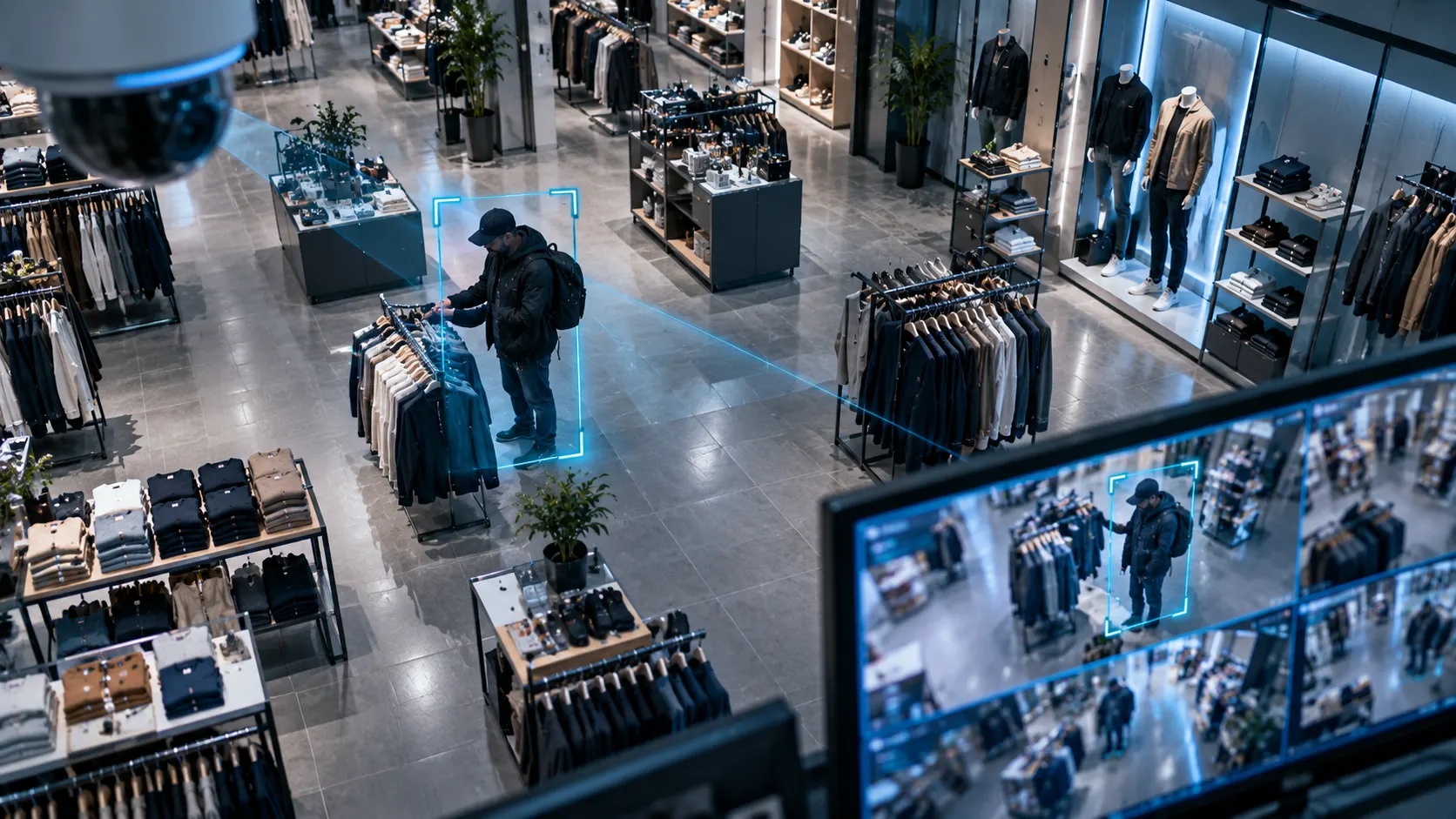
That is where AI video analytics can support retail operations. CAPASai CCTV Video Analytics can analyze video feeds and IoT data continuously and identify activity in relation to predefined events configured for a particular location.
A broader CAPASai approach can include:
- From activity to meaningful detection: Instead of treating every recorded moment as equally important, AI can compare observed activity with the specific security use cases enabled for a store. This can help identify events that match the retailer’s defined concerns and bring relevant information into the security workflow.
- From detection to an informed response: Critical alerts are subject to Human-in-the-Loop validation, providing an additional accuracy check before notification. Once an event is confirmed, the recipient can receive video evidence and IoT data alongside the alert, making the circumstances easier to assess and supporting a faster decision.
- From one incident to long-term improvement: The value of captured information can continue after the immediate event. Stored clips and data can assist evidence collection and investigation. CAPASai AI-Powered CAPA Software can also help organizations turn identified issues into corrective and preventive actions, while reporting and analytics can bring events together across stores or sites to make recurring patterns more visible.
Building Retail Security Around the Whole Event
The Winnipeg case serves as a reminder that preventing retail theft involves more than just seeing goods leave a business. Security teams also need to understand repeated activity, manage potentially escalating encounters and retain useful information for follow-up.
By connecting detection, validation, alerting, evidence and preventive action, CAPASai can help retailers make better use of security information and strengthen their response to recurring theft.
#WinnipegRepeatRetailTheft #WinnipegRetailTheft #WinnipegShoplifting #LeilaAvenueTheft #PortageAvenueTheft #ManitobaRetailTheft #RepeatShoplifting #MultipleRetailThefts #RetailTheftPrevention #ShopliftingDetection #TheftDetection #LossPrevention #RetailSecurity #AIVideoAnalytics #CCTVMonitoring #VideoSurveillance #RealTimeAlerts #CAPASai