The New Competitive Battleground Is Operations
For decades, businesses have competed through product innovation, pricing strategies, marketing campaigns, and customer acquisition efforts. While these factors remain important, the next decade is expected to be shaped by a different competitive advantage: operational intelligence.
Organizations today operate in an environment characterized by rising customer expectations, complex supply chains, increasing regulatory requirements, and geographically distributed operations. As businesses expand across multiple locations, maintaining visibility, consistency, and control becomes significantly more challenging.
These days, a company’s success isn’t just based on what it sells. It depends more and more on how well the company runs, adapts to change, and consistently enhances performance.
Why Traditional Management Models Are Reaching Their Limits
Many enterprises continue to rely on periodic audits, manual supervision, spreadsheets, and historical reports to manage operations. While these methods may provide useful information, they often fail to deliver timely insights when critical decisions need to be made.
Common challenges faced by modern enterprises include:
- Limited visibility across multiple locations
- Delayed identification of operational issues
- Inconsistent process execution
- Compliance monitoring difficulties
- Rising operational costs
- Slow response to incidents and disruptions
- Information silos across departments
These issues become more challenging to handle as organisations expand. Rather than taking into account actual operational realities, leaders frequently find themselves making judgements based on out-of-date information.
The Rise of Operational Intelligence
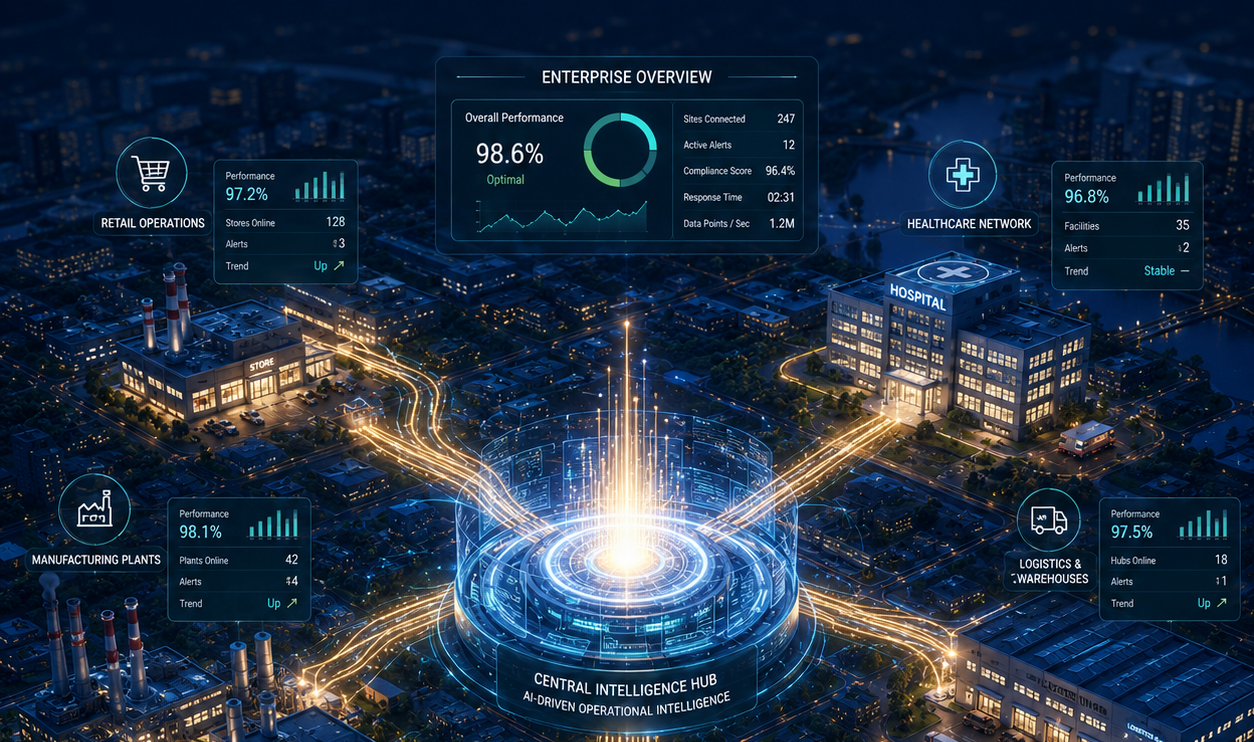
Operational intelligence refers to the ability to collect, analyze, and act on operational data in real time. Rather than waiting for end-of-day reports or scheduled reviews, organizations gain continuous visibility into activities, processes, performance metrics, and potential risks as they occur.
Operational intelligence enables organizations to:
- Monitor operations continuously
- Detect anomalies and deviations early
- Improve process consistency
- Strengthen compliance oversight
- Enhance operational efficiency
- Support data-driven decision-making
As digital transformation accelerates, operational intelligence is becoming a foundational capability for enterprises seeking long-term competitiveness.
Compare Reactive Operations and Intelligence-Driven Operations
Operational Area | Reactive Operations | Intelligence-Driven Operations |
Visibility | Periodic reporting | Continuous monitoring |
Decision-Making | Historical analysis | Real-time insights |
Issue Detection | After incidents occur | Early identification |
Compliance Management | Manual audits | Continuous oversight |
Operational Control | Limited visibility | Enterprise-wide visibility |
Response Speed | Delayed action | Immediate intervention |
Performance Improvement | Reactive corrections | Continuous optimization |
Five Reasons Operational Intelligence Will Define Enterprise Success
Faster Decision-Making
Organizations can no longer afford delays between operational events and management responses. Leaders can make well-informed judgements based on current circumstances rather than out-of-date information thanks to real-time intelligence.
Greater Operational Consistency
Maintaining consistent standards across multiple locations is a challenge for many enterprises. Operational intelligence helps identify variations in execution and supports standardized processes throughout the organization.
Improved Risk and Compliance Management
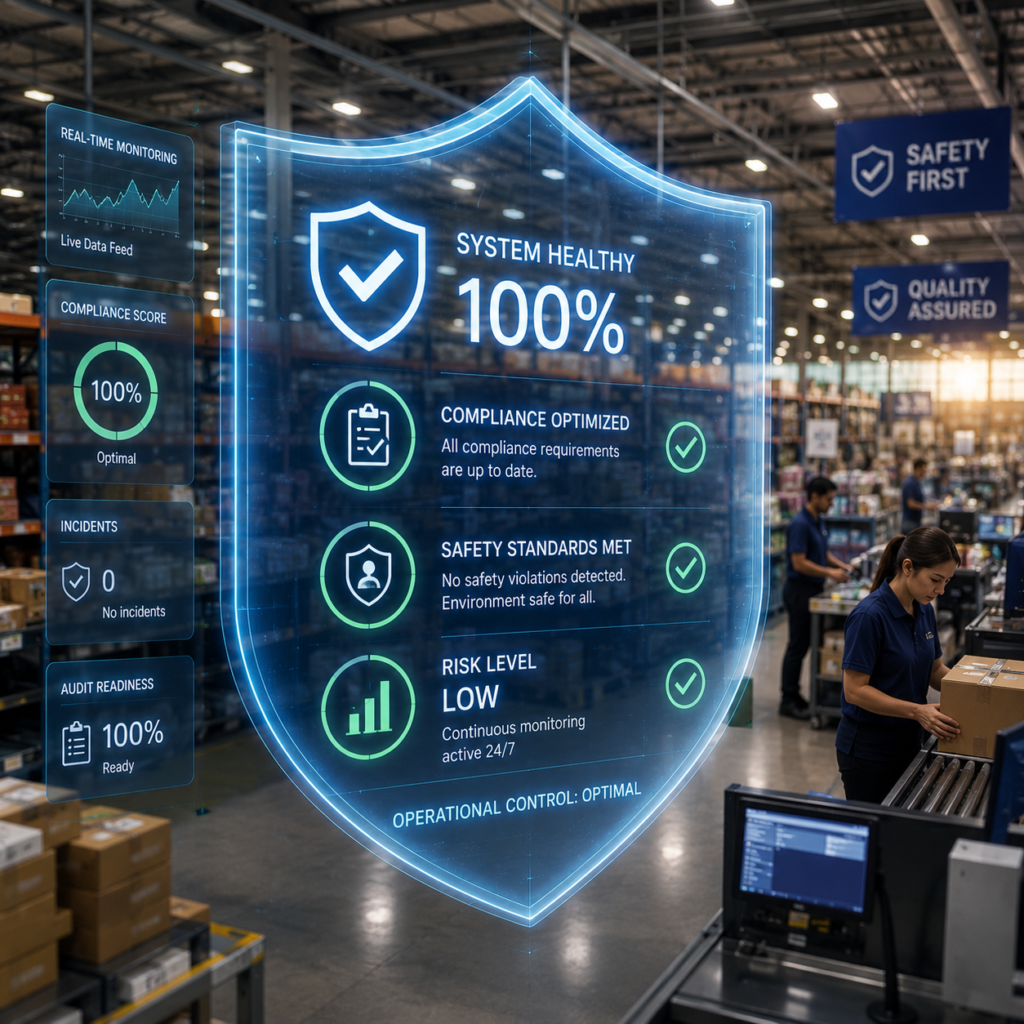
Regulatory requirements continue to evolve across industries. Continuous monitoring helps organizations identify compliance concerns early and reduce exposure to operational risks.
Enhanced Customer Experience
Operational performance directly impacts customer satisfaction. Faster service, improved process execution, and consistent experiences contribute to stronger customer relationships and brand loyalty.
Scalable Growth
As businesses expand, operational complexity increases. Operational intelligence provides the visibility and control needed to manage growth without significantly increasing management overhead.
Why Real-Time Visibility Is Becoming a Strategic Advantage
In today’s business environment, speed matters. Organizations that can identify issues early and respond quickly often outperform those relying on delayed reporting and manual investigations.
Real-time visibility allows businesses to:
- Detect operational disruptions immediately
- Reduce downtime and inefficiencies
- Improve customer experience
- Strengthen risk management
- Enhance workforce productivity
- Maintain operational consistency across locations
The Role of CAPASai in Building Operational Intelligence
CAPASai helps organizations strengthen operational intelligence through AI-powered video analytics, remote monitoring, and real-time alerting capabilities.
By transforming existing CCTV infrastructure into an intelligent monitoring system, CAPASai enables businesses to gain greater visibility into operational activities, compliance requirements, safety concerns, and process execution across multiple locations.
Industries Leading the Adoption of Operational Intelligence
Operational intelligence is gaining momentum across numerous industries, including:
- Retail chains
- Quick service restaurants
- Manufacturing facilities
- Pharmaceutical production
- Banking and financial services
- Healthcare and hospitals
- Logistics and warehousing
- Educational institutions
- Hospitality businesses
- Smart city infrastructure
How AI Accelerates Operational Intelligence
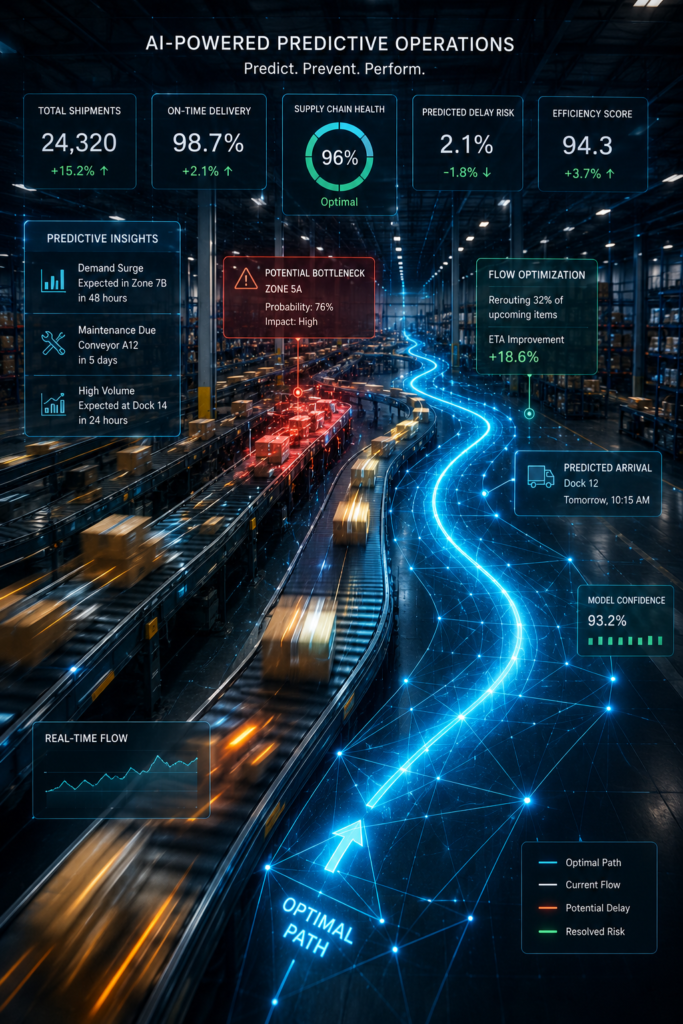
Artificial Intelligence is enhancing operational intelligence by enabling organizations to analyze large volumes of data automatically and continuously.
AI-powered systems can:
- Detect unusual patterns
- Identify operational anomalies
- Generate intelligent alerts
- Analyze performance trends
- Support predictive decision-making
- Highlight improvement opportunities
Rather than relying solely on human observation, organizations can leverage AI to continuously monitor operations and surface actionable insights in real time.
The Future of Enterprise Competitiveness
The next decade will likely be defined by organizations that can see more, understand more, and respond faster than their competitors. While products, services, and pricing will continue to influence market success, operational intelligence is emerging as a critical differentiator.
Businesses that invest in real-time visibility, continuous monitoring, and data-driven decision-making will be better positioned to improve efficiency, reduce risks, optimize performance, and adapt to changing market conditions.