Organizations across industries are under growing pressure to improve productivity, maintain operational consistency, strengthen accountability, and deliver better business outcomes. Whether in manufacturing plants, retail chains, logistics facilities, healthcare environments, or service operations, workforce performance remains one of the most important factors influencing operational success.
However, traditional workforce performance management approaches often rely on periodic reviews, manual observations, supervisor reports, and retrospective assessments. While these methods provide useful information, they frequently lack the real-time visibility needed to understand how work is actually being performed on a day-to-day basis.
As organizations embrace digital transformation, a new model of workforce performance management is emerging—one driven by real-time operational intelligence, AI-powered monitoring, and continuous performance insights.
What Is Workforce Performance Management?
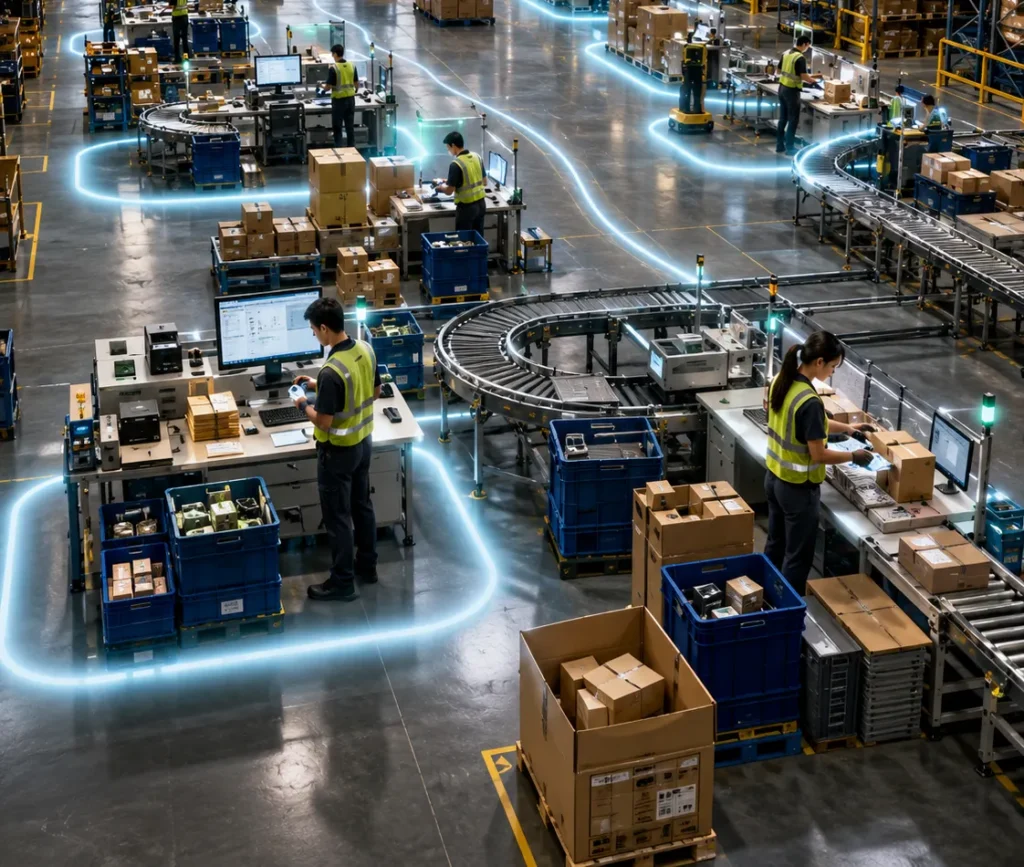
Workforce performance management refers to the processes, systems, and strategies organizations use to monitor, evaluate, and improve employee performance and operational execution.
Effective performance management helps organizations:
- Improve productivity
- Strengthen accountability
- Ensure process adherence
- Enhance operational consistency
- Support employee development
- Improve customer experiences
- Achieve business objectives
As work environments become more dynamic and distributed, organizations require more advanced methods for understanding workforce performance.
Challenges With Traditional Performance Management
Many organizations continue to depend on manual supervision and periodic performance reviews.
While these approaches have value, they often create several limitations.
Limited Visibility
Managers cannot continuously observe operational activities across every location, shift, and department.
Delayed Feedback
Performance issues are often identified long after they occur, reducing opportunities for immediate improvement.
Inconsistent Evaluation
Performance assessments may vary between supervisors, locations, and teams.
Reactive Management
Organizations frequently respond to performance problems after they impact productivity or customer service.
These challenges can make it difficult to maintain consistent operational standards.
Why Workforce Performance Management Is Evolving
Modern organizations need more than annual reviews and periodic audits. They need continuous visibility into operational execution.
The future of workforce performance management focuses on:
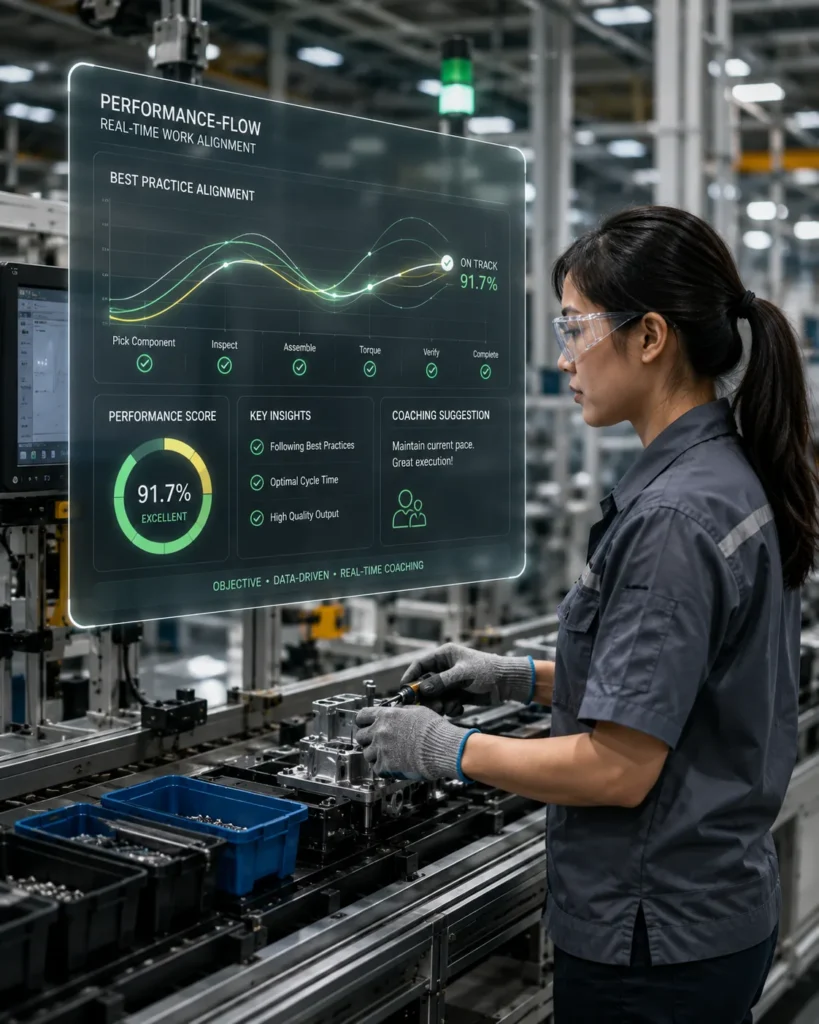
Real-Time Performance Insights
Organizations gain immediate visibility into how work is being performed across operations.
Continuous Operational Awareness
Performance can be monitored throughout the workday rather than at isolated review periods.
Objective Measurement
Data-driven insights help reduce subjectivity in performance evaluation.
Faster Improvement Cycles
Managers can identify opportunities for coaching and improvement more quickly.
This shift enables organizations to become more agile, responsive, and performance-driven.
How AI Is Transforming Workforce Performance Management
Artificial Intelligence is changing how organizations understand and improve workforce performance.
Continuous Monitoring
AI systems can observe operational activities and provide ongoing visibility into performance trends.
Process Adherence Verification
Organizations can monitor whether established procedures and workflows are being followed consistently.
Early Identification Of Performance Gaps
AI can identify deviations, inefficiencies, and workflow challenges before they affect business outcomes.
Intelligent Alerts And Insights
Managers receive actionable information that supports faster decision-making and corrective action.
Compare Traditional Performance Management And AI-Driven Performance Management
Traditional Performance Management | AI-Driven Performance Management |
Periodic reviews | Continuous performance visibility |
Manual observations | Automated operational insights |
Subjective assessments | Data-driven evaluation |
Reactive intervention | Proactive improvement |
Limited operational awareness | Real-time visibility |
Delayed feedback | Immediate performance insights |
This evolution helps organizations create more consistent and measurable performance improvement programs.
The Role Of Video Analytics In Workforce Performance Management
Video analytics is becoming an important technology for operational performance improvement.
By analyzing workplace activities in real time, video analytics can help organizations:
- Monitor operational execution
- Verify process adherence
- Identify workflow inefficiencies
- Improve accountability
- Support coaching initiatives
- Strengthen operational consistency
These capabilities help organizations gain a clearer understanding of workforce performance while supporting operational excellence.
Benefits Of Modern Workforce Performance Management
Organizations that adopt intelligent performance management strategies can achieve several advantages.
These include:
- Improved productivity
- Stronger accountability
- Better operational consistency
- Faster issue resolution
- Enhanced customer experiences
- Reduced operational risk
- Improved business performance
These benefits contribute directly to long-term competitiveness and growth.
Building High-Performance Organizations For The Future
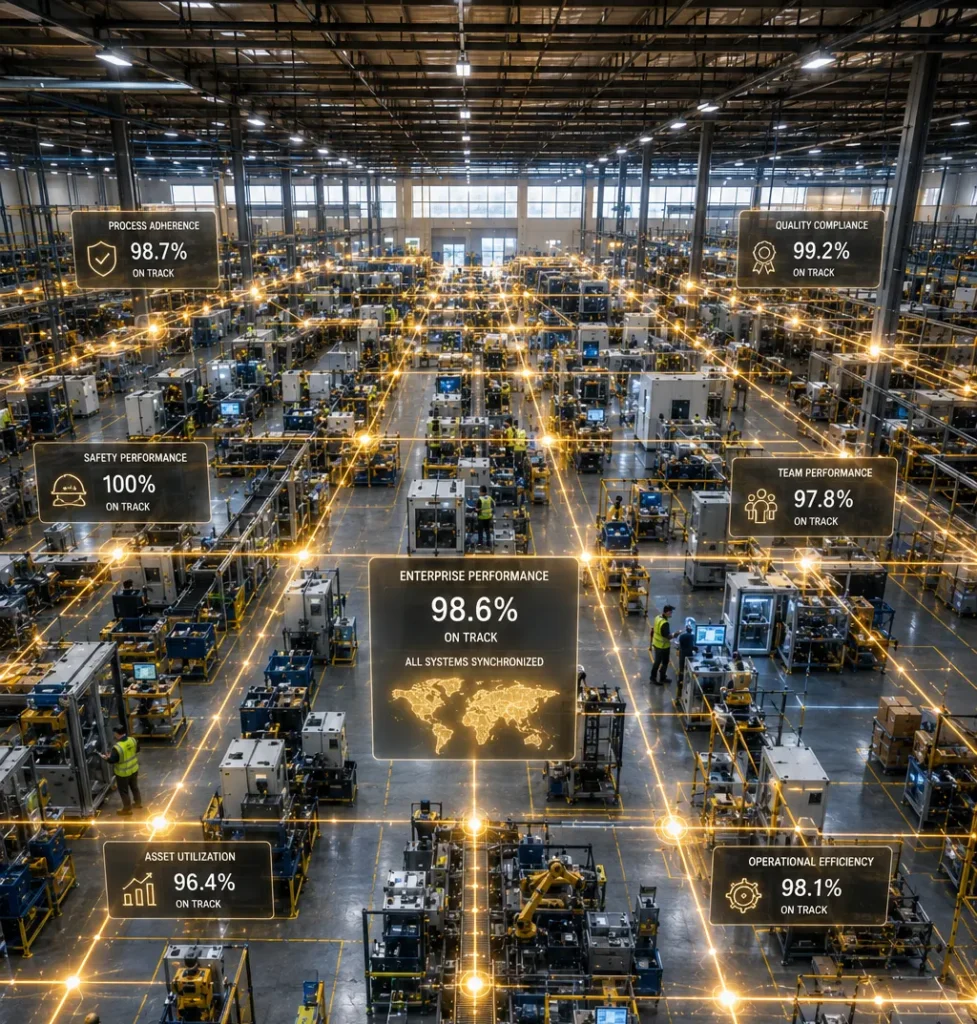
The future of workforce performance management is not about increasing supervision. It is about creating greater visibility, providing actionable insights, and enabling continuous improvement.
Organizations that leverage AI, video analytics, and real-time operational intelligence can better understand how work is performed, identify opportunities for optimization, and support stronger performance outcomes. As businesses continue to evolve, intelligent workforce performance management will become a critical capability for maintaining productivity, consistency, and operational excellence.
How CAPASai Supports Workforce Performance Management
CAPASai helps organizations improve workforce performance through AI-powered video analytics, real-time operational monitoring, intelligent alerts, and workforce behavior insights. By providing continuous visibility into operational activities, process adherence, and performance trends, CAPASai enables organizations to strengthen accountability, improve productivity, and maintain operational consistency across locations.