Why Safety Violations Deserve More Attention
Workplace accidents rarely occur without warning signs. In many cases, incidents are preceded by small safety violations, procedural shortcuts, or operational deviations that go unnoticed during daily activities. While a single violation may appear insignificant, repeated unsafe behaviors can increase the likelihood of injuries, operational disruptions, compliance issues, and financial losses.
Organizations across manufacturing, construction, logistics, retail, healthcare, energy, and transportation environments face a common challenge: identifying safety risks before they escalate into reportable incidents. As operations become larger and more complex, maintaining consistent oversight becomes increasingly difficult.
This is why many enterprises are shifting their focus from accident response to proactive safety violation prevention.
Common Safety Violations Found In Operational Environments
Safety violations can take many forms depending on the industry and workplace environment.
Examples include:
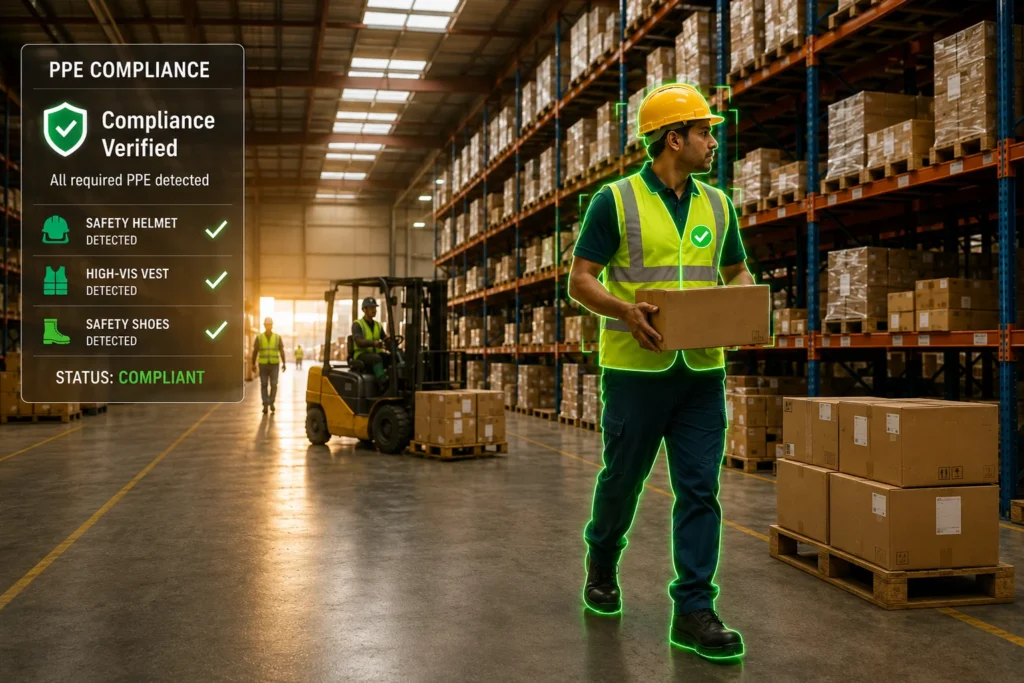
- Not donning the necessary personal protective equipment (PPE)
- Unauthorized entry into restricted areas
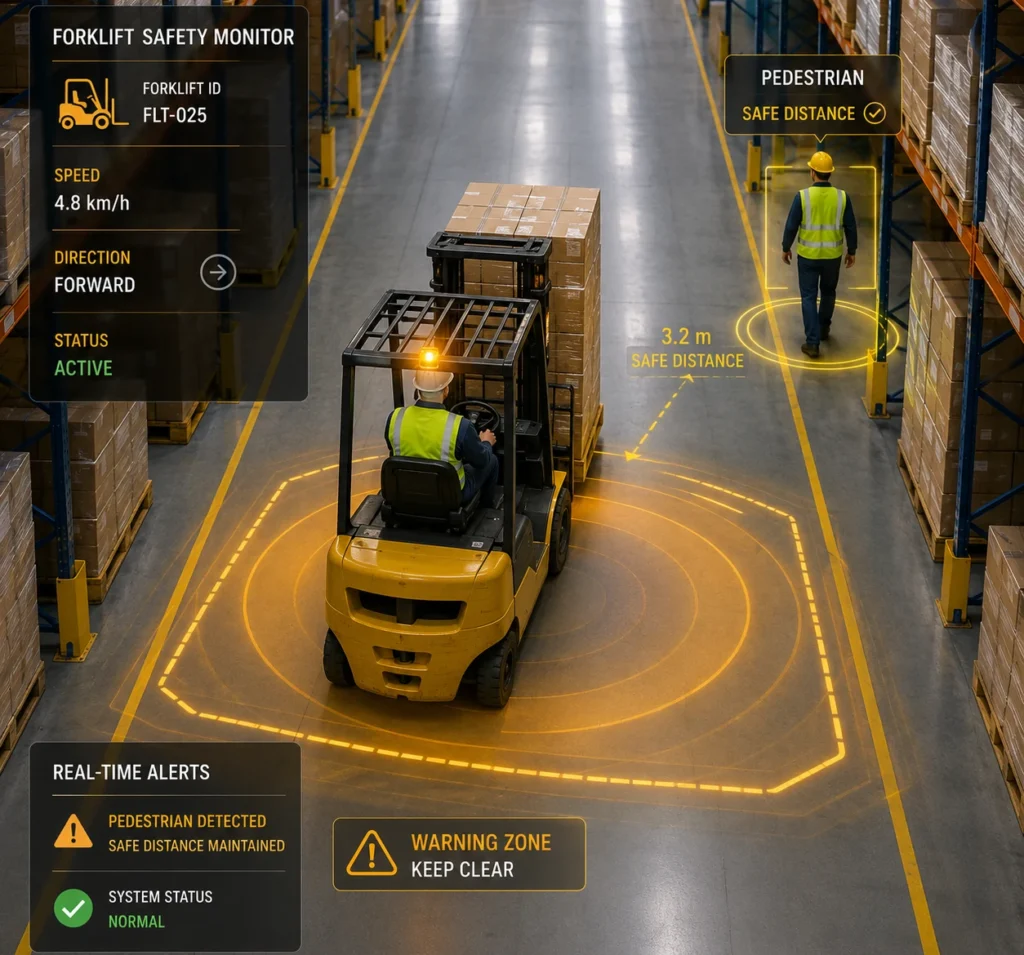
- Unsafe equipment operation
- Improper material handling
- Non-compliance with safety procedures
- Blocked emergency exits
- Failure to follow lockout/tagout procedures
- Unsafe interactions between workers and machinery
While each violation may seem minor individually, repeated occurrences can create conditions that increase operational risk and compromise workplace safety.
Why Traditional Safety Monitoring Has Limitations
Traditional safety management programs often depend heavily on manual oversight. Supervisors cannot continuously observe every employee, process, or location throughout an entire shift.
Common challenges include:
- Limited visibility across large facilities
- Inconsistent observations
- Delayed reporting
- Resource-intensive inspections
- Difficulty monitoring multiple sites simultaneously
As enterprises expand operations, they require more scalable approaches to workplace safety monitoring and compliance assurance.
The Cost Of Waiting For An Incident
Many organizations rely on incident reports, safety audits, and supervisor observations to identify workplace risks. While these methods remain important, they often identify problems after a violation has already occurred.
The consequences can include:
- Employee injuries
- Production disruptions
- Compliance penalties
- Increased insurance costs
- Investigation expenses
- Reduced workforce morale
- Reputational damage
Preventing accidents requires organizations to identify unsafe conditions and behaviors before they result in harmful outcomes.
How AI And Video Analytics Help Prevent Safety Violations
AI-powered video analytics provides continuous operational visibility by analyzing workplace activities in real time. Instead of relying solely on periodic inspections, organizations can identify potential safety concerns as they occur.
This proactive approach helps organizations address violations before they develop into accidents.
Continuous Safety Monitoring
AI can monitor operational areas throughout the day, providing visibility that extends beyond manual supervision.
PPE Compliance Detection
Organizations can verify whether workers are following PPE requirements in designated operational zones.
Restricted Area Monitoring
Unauthorized access to hazardous or controlled environments can be detected and flagged for review.
Unsafe Behavior Identification
Video analytics can identify behaviors that may increase risk exposure and generate alerts for corrective action.
Real-Time Notifications
Immediate alerts allow supervisors to intervene quickly when safety violations occur, reducing the likelihood of escalation.
Multi-Site Safety Oversight
Enterprises operating across multiple facilities can maintain consistent safety standards through centralized monitoring and reporting.
Compare Reactive Safety Management With Proactive AI Monitoring
Traditional Safety Monitoring | AI-Powered Safety Monitoring |
Periodic inspections | Continuous monitoring |
Manual observations | Automated analysis |
Incident-driven response | Early risk identification |
Limited visibility | Real-time operational awareness |
Site-specific oversight | Multi-site monitoring |
Delayed intervention | Immediate alerts |
When organizations compare these approaches, the value of continuous operational visibility becomes clear. Early detection helps reduce exposure to preventable risks.
Business Benefits Of Preventing Safety Violations Early
Preventing safety violations before they become accidents delivers benefits that extend beyond workplace safety.
Reduced Operational Risk
Early identification of unsafe behaviors helps lower the probability of incidents and disruptions.
Stronger Compliance
Continuous monitoring supports adherence to safety policies, operational procedures, and regulatory requirements.
Improved Workforce Accountability
Employees gain greater awareness of workplace expectations and safety standards.
Enhanced Operational Consistency
Standardized safety practices help create more predictable and reliable operations.
Better Decision-Making
Operational intelligence provides leaders with actionable insights that support continuous improvement initiatives.
How CAPASai Helps Organizations Improve Workplace Safety
CAPASai helps organizations strengthen workplace safety through AI-powered video analytics, operational intelligence, and real-time monitoring.
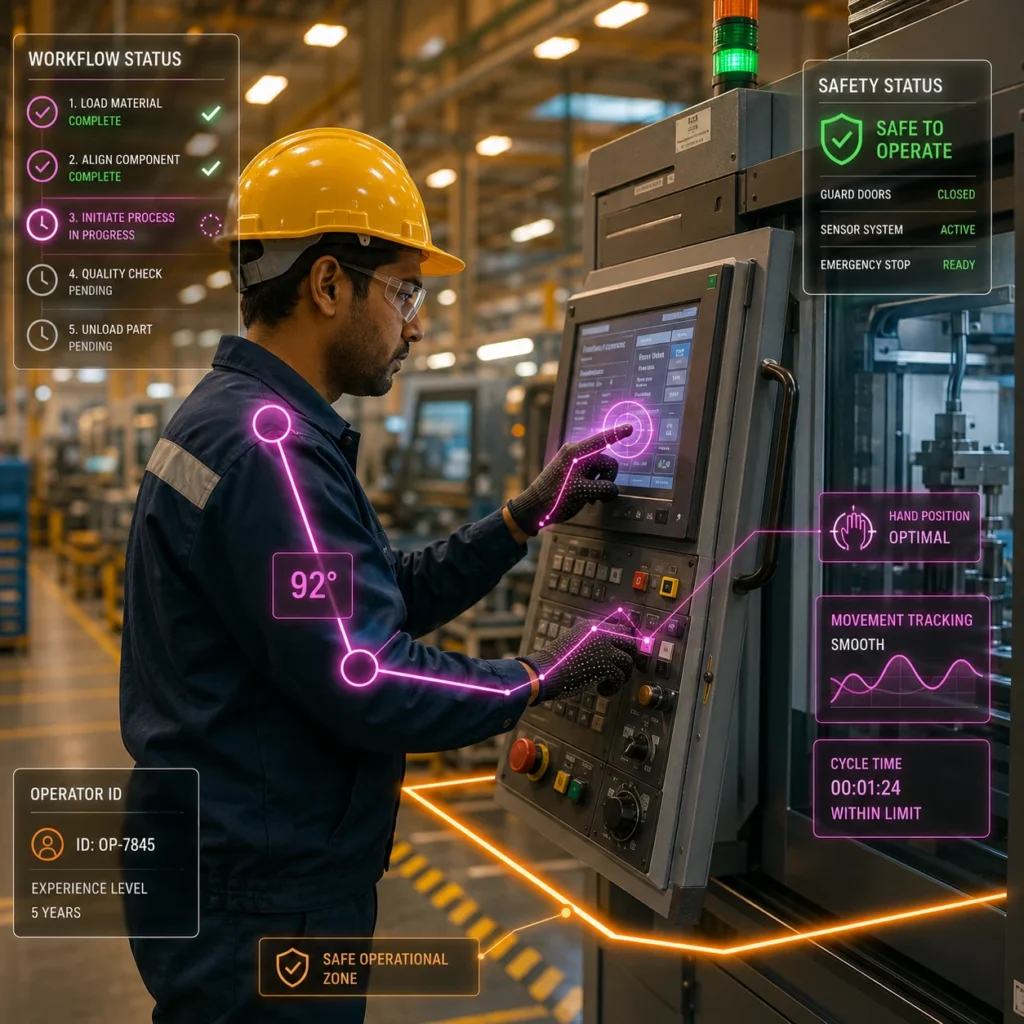
By continuously analyzing workplace activities, CAPASai can help identify safety violations, monitor compliance with operational procedures, support PPE adherence, and provide intelligent alerts when predefined risk conditions are detected.
Whether deployed in manufacturing plants, construction sites, warehouses, retail environments, healthcare facilities, transportation hubs, or energy operations, CAPASai helps improve operational visibility and supports proactive risk reduction strategies.
Creating A Culture Of Prevention Rather Than Reaction
Organizations that wait for incidents to occur often face higher costs and greater operational disruption. A more effective approach focuses on identifying warning signs early and addressing safety violations before they contribute to accidents.
With continuous monitoring, real-time alerts, and actionable operational insights, enterprises can strengthen compliance, improve accountability, and build safer operational environments that support long-term business performance.