A $506 grocery loss may look like a routine shoplifting case when viewed on its own. The bigger concern emerges when a new theft happens while the same person is already facing multiple related charges. The Dauphin Repeat Shoplifting incident shows why retailers can benefit from security systems that help identify important events and support a broader view of recurring retail theft.
A September 23 Incident
At 10:05 a.m. on September 23, 2026, Dauphin RCMP responded to a reported shoplifting incident at a business in the 1400-block of Main Street South in Dauphin, Manitoba.
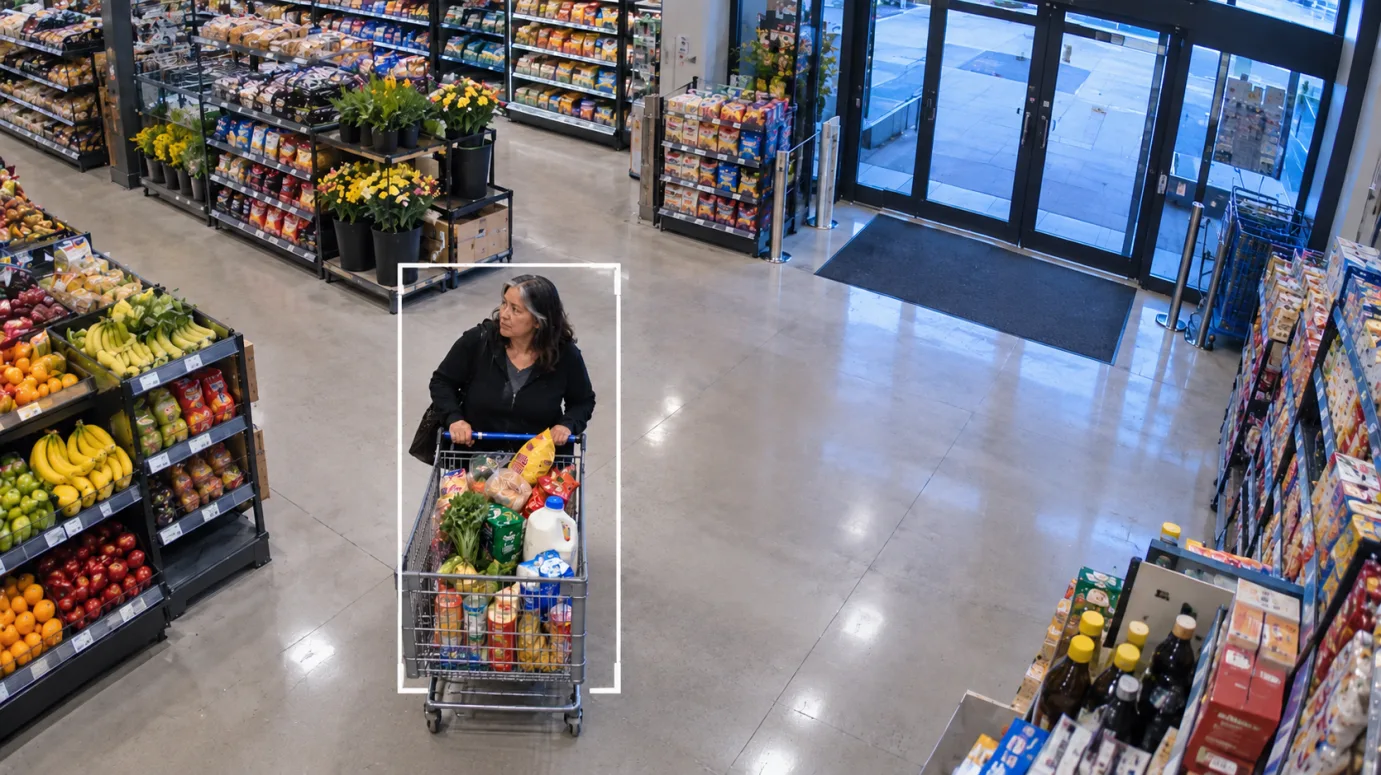
Police said a woman filled a shopping cart with groceries and left the business without paying. Officers located her nearby and arrested her without incident. The cart, containing approximately $506 worth of groceries, was recovered and returned to the store.
RCMP identified the accused as 51-year-old Tanya Ironstand of Dauphin, who was charged with theft under $5,000. Police noted that she was already facing several other charges connected to recent incidents, including four additional theft charges, three counts of failing to comply with an undertaking and a failure-to-attend-court offence. She was remanded into custody.
When Repetition Becomes the Security Issue
For retailers, repeated theft creates a different problem from a one-time event. Each occurrence generates footage, reports and staff observations, but the significance of those details can become clearer only when incidents are considered together.
That is where an AI-supported approach can help organize security information around what matters at a particular location.
CAPASai can support this process in three connected areas
- Finding relevant activity: CAPASai CCTV Video Analytics continuously analyzes video feeds and IoT data for anomalies, operational issues and configured events. Retailers can define use cases for activities that deserve attention, allowing the system to identify events based on the security requirements of the store.
- Verifying and communicating important events: Critical detections can go through Human-in-the-Loop validation, adding human review to help confirm accuracy and reduce false positives. After validation, the recipient can receive an alert with supporting video evidence and IoT data, making the event easier to understand and act upon.
- Using incidents to strengthen future controls: CAPASai AI-Powered CAPA Software can help organizations turn identified issues into corrective and preventive actions. Stored clips and associated information can support evidence collection, while AI-powered reporting and analytics can help reveal recurring patterns across stores or sites. CAPASai AI-Powered CAPA Software
A Better Way to Learn From Retail Loss
The Dauphin case illustrates why security teams should look beyond the value of merchandise recovered from a single event. Repeated incidents may point to weaknesses in store procedures, vulnerable areas or the need for stronger monitoring.
By connecting detection, verification, evidence and follow-up, CAPASai can help retailers make security information more useful both during an incident and when reviewing what should change afterward. That can support a more proactive approach to reducing repeat retail theft.