Why Safety Culture Matters Beyond Compliance
A strong safety culture is not built through policies alone. It develops when safe practices become part of everyday operations, decision-making, and employee behavior. Organizations with mature safety cultures often experience fewer incidents, stronger workforce engagement, improved operational consistency, and better compliance outcomes.
However, in settings where hundreds or thousands of daily actions occur across numerous shifts, departments, and locations, it becomes more difficult to maintain a safety-first approach. Manufacturing facilities, warehouses, construction sites, pharmaceutical plants, and energy operations all face the challenge of ensuring that safety standards are followed consistently.
Creating a culture where safety is continuously reinforced requires more than periodic audits and training sessions. It requires visibility into how work is actually performed on a day-to-day basis.
Building Safety Awareness Through Continuous Observation
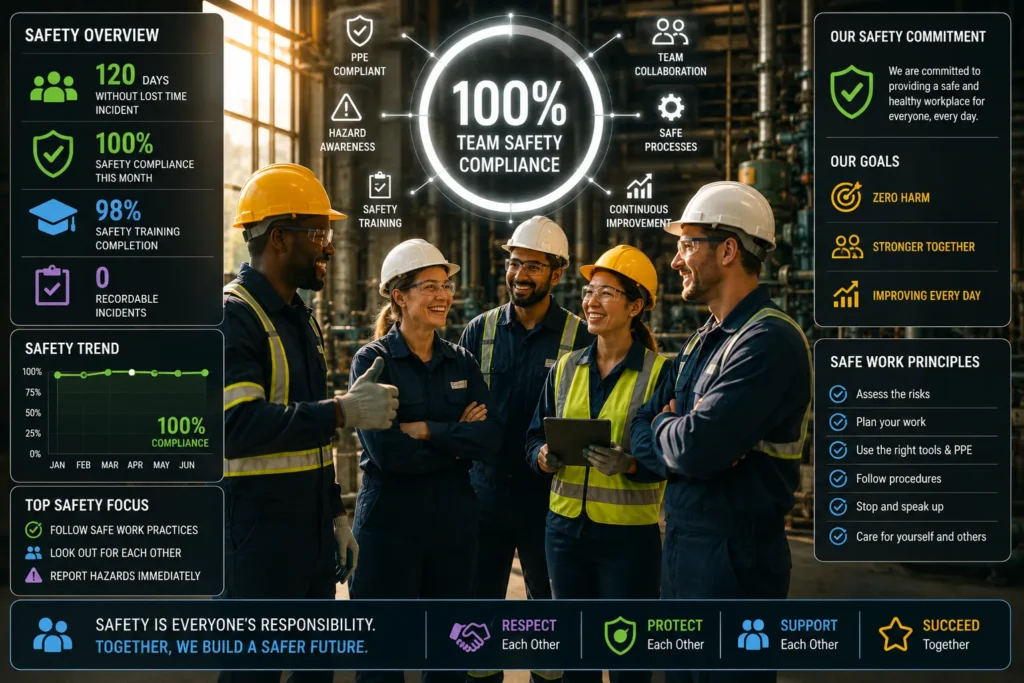
Organizations that successfully develop safety-first cultures typically create an environment where expectations are consistently reinforced.
This is where AI-powered video analytics can support existing safety programs.
Rather than replacing people, AI helps organizations gain a clearer understanding of workplace activities, enabling leaders to identify patterns, reinforce positive behaviors, and address risks before they become larger concerns.
The Gap Between Safety Policies And Workplace Behaviors
Most organizations have documented safety procedures, operating guidelines, and compliance requirements. The challenge often lies in execution.
Common workplace issues include:
- PPE requirements being overlooked
- Safety procedures being bypassed
- Restricted-area violations
- Unsafe equipment interactions
- Process deviations
- Inconsistent practices between shifts
- Delayed reporting of safety concerns
Over time, these small deviations can become normalized if they are not identified and addressed early.
Why Traditional Safety Programs Face Challenges
EHS teams and operational leaders invest significant effort in promoting workplace safety through:
- Safety training programs
- Toolbox talks
- Site inspections
- Compliance audits
- Incident investigations
- Safety committees
While these initiatives remain essential, they often provide only periodic visibility into workplace activities.
Challenges include:
- Limited observation coverage
- Large facility footprints
- Multiple operating shifts
- Contractor management complexity
- Inconsistent reporting practices
As operations grow, maintaining consistent safety standards across every area becomes increasingly difficult.
How AI Supports A Safety-First Culture
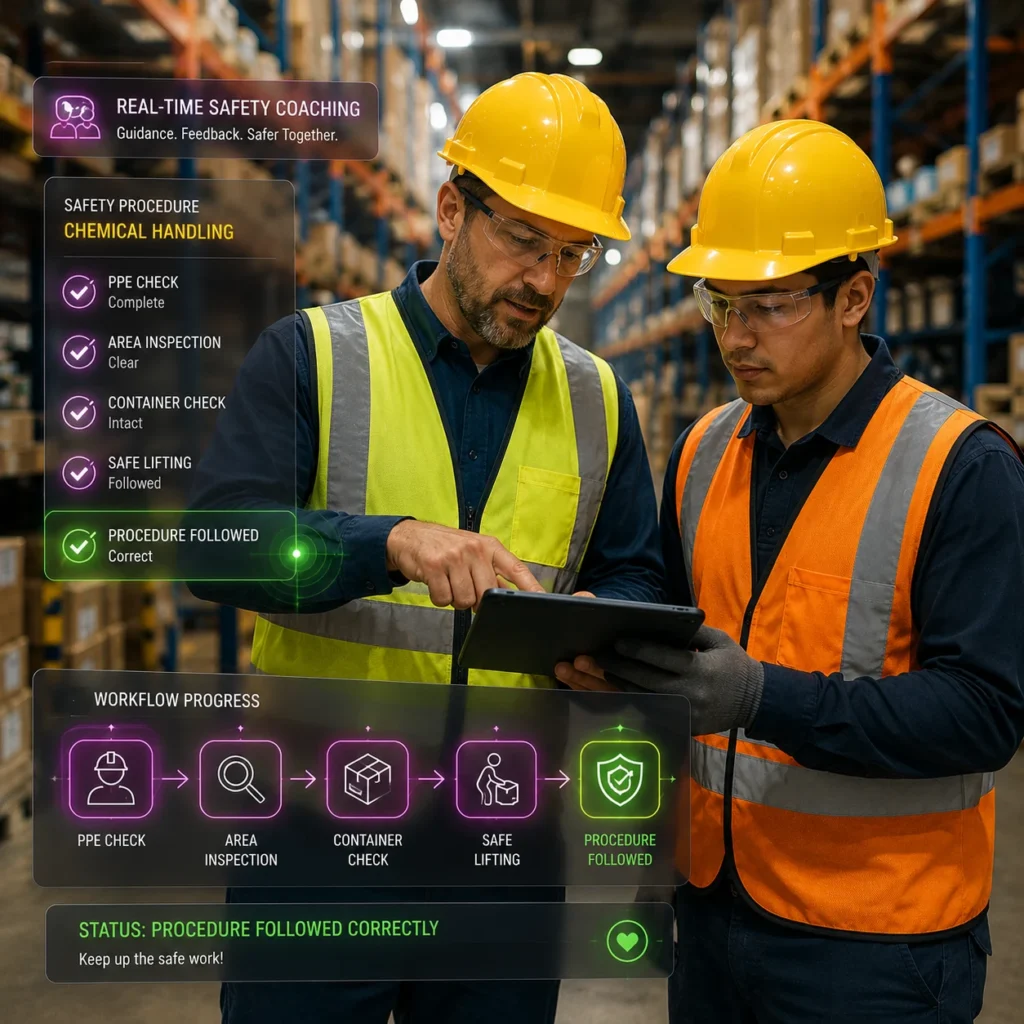
Reinforcing PPE Compliance
AI can help verify that required protective equipment is being used in designated operational areas, supporting consistent safety expectations.
Identifying Unsafe Behaviors
Organizations can detect recurring behaviors that increase workplace risk and use the insights to improve training and awareness initiatives.
Monitoring SOP Adherence
AI helps organizations understand whether established procedures are being followed consistently across teams and locations.
Encouraging Accountability
Objective operational data helps create transparency around workplace practices and safety performance.
Improving Hazard Awareness
Potential risks can be identified earlier, helping teams address issues before they contribute to incidents.
Supporting Continuous Improvement
Safety leaders can use operational insights to identify trends, measure progress, and focus improvement efforts where they are needed most.
Compare Traditional Safety Culture Programs With AI-Enhanced Safety Programs
Traditional Safety Programs | AI-Enhanced Safety Programs |
Periodic observations | Continuous workplace awareness |
Manual reporting | Automated event recognition |
Incident-driven improvements | Data-driven improvement opportunities |
Limited operational visibility | Broader activity monitoring |
Reactive interventions | Earlier risk identification |
Site-specific oversight | Multi-site consistency |
When organizations compare these approaches, AI provides an additional layer of insight that strengthens existing safety initiatives.
The Business Benefits Of A Strong Safety Culture
A safety-first culture contributes to more than accident prevention.
Improved Workforce Engagement
Employees are more likely to participate in safety initiatives when expectations are clear and consistently reinforced.
Reduced Operational Disruptions
Fewer safety incidents can lead to more predictable operational performance.
Stronger Compliance Outcomes
Consistent workplace practices support regulatory and organizational requirements.
Better Risk Management
Organisations become more conscious of recurrent safety issues and areas for improvement.
Increased Operational Consistency
Standardised behaviours contribute to the development of more dependable procedures across teams and facilities.
How CAPASai Helps Organizations Strengthen Safety Culture
CAPASai supports safety-first initiatives through AI-powered video analytics and intelligent operational monitoring.
By helping organizations monitor PPE compliance, identify process deviations, detect workplace hazards, and track operational activities, CAPASai provides valuable insights that support continuous improvement efforts. Safety leaders gain greater visibility into workplace practices, enabling them to reinforce expectations and address risks more effectively.
Across manufacturing plants, warehouses, pharmaceutical facilities, construction sites, logistics operations, and other industrial environments, CAPASai helps organizations create a more consistent and accountable approach to workplace safety.
Turning Safety Into A Daily Operational Habit
The most effective safety cultures are built through consistent behaviors rather than occasional interventions. Employees, supervisors, and leadership teams all play a role in creating environments where safety remains a shared responsibility.
AI and video analytics provide organizations with additional insight into workplace activities, helping transform safety from a compliance exercise into an ongoing operational priority. By combining strong leadership, employee engagement, and intelligent monitoring, organizations can build workplaces where safety becomes an integral part of everyday performance.