A complaint about industrial discharge, an unexpected emission event, or a suspected waste-handling violation rarely arrives with a complete picture. A State Pollution Control Board may need to examine records, inspect a facility, verify monitoring information, and determine whether corrective action has been completed. Across a large state, managing these steps consistently is difficult. AI based SOP analytics and video analytics can help SPCBs strengthen the path from environmental signal to field verification and follow-up.
From Complaint To Compliance Review
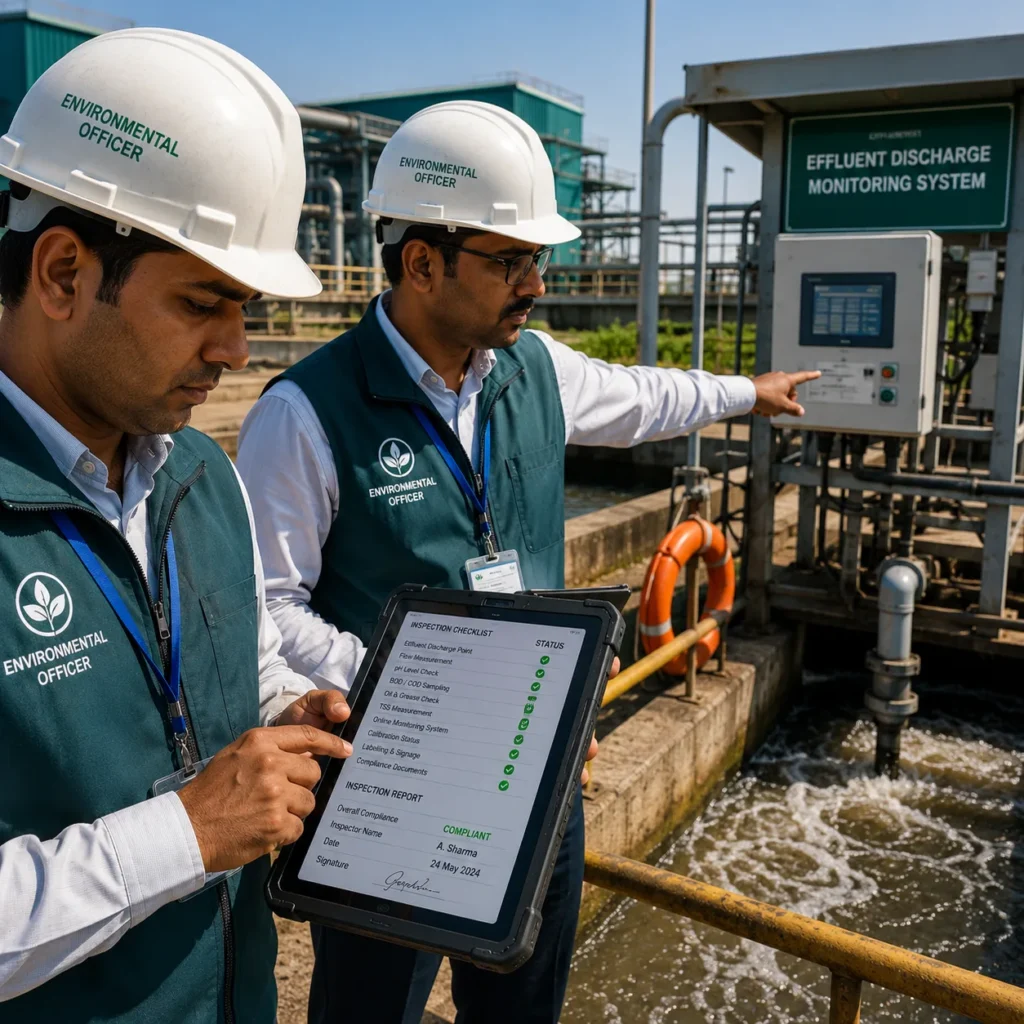
A useful AI strategy for an SPCB can follow the regulatory journey rather than individual technologies. A case may involve complaint registration, preliminary assessment, inspection, sampling, reporting, corrective action, and follow-up.
AI based SOP analytics can examine records across these stages to identify recurring delays or inconsistent execution.
It can highlight:
- Inspections that regularly exceed defined timelines.
- Sampling or documentation steps that are repeatedly incomplete.
- Corrective actions that remain unresolved.
- Facilities generating recurring complaints or compliance exceptions.
- Follow-up inspections that repeatedly produce similar findings.
This helps regulatory managers distinguish isolated administrative delays from persistent process weaknesses.
Finding The Cases That Need Human Attention
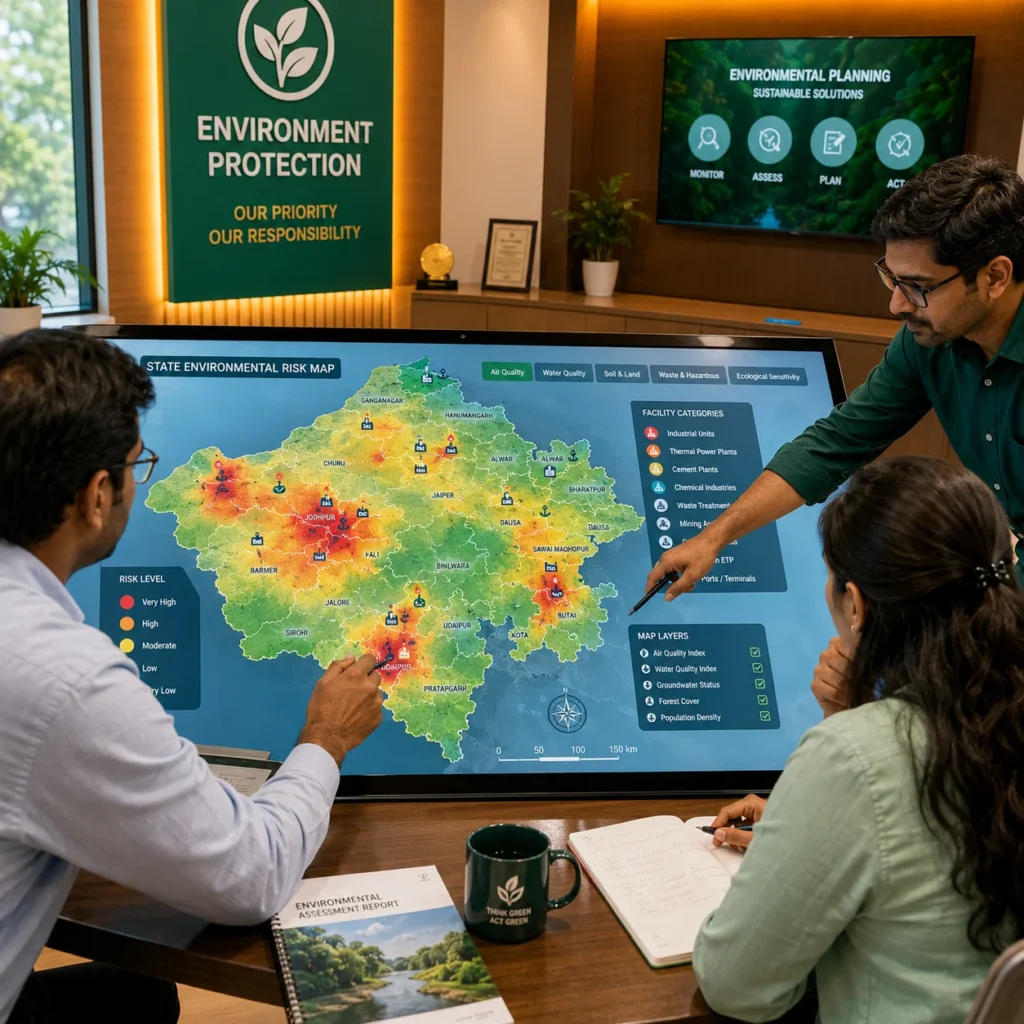
Not every environmental signal deserves the same response. An isolated complaint may require routine verification, while repeated complaints combined with previous non-compliance and unresolved corrective actions may justify closer attention.
Analytics can help SPCBs prioritise cases using recurrence, environmental significance, facility history, response timelines, and available monitoring information.
The purpose is not to automate enforcement decisions. It is to help technical and regulatory teams decide where limited inspection capacity can have the greatest value.
AI Based SOP Analytics For Inspection Discipline
Inspection quality depends on procedures around preparation, sampling, documentation, evidence capture, reporting, and follow-up.
SOP analytics can compare these expected steps with available records and reveal whether particular inspection types, regions, facility categories, or periods show recurring gaps.
If reports are frequently delayed after inspections, analytics can help identify the workflow stage involved. If corrective actions repeatedly remain open, the Board can examine whether follow-up procedures, responsibilities, or escalation mechanisms need improvement
Video Analytics As Supporting Evidence
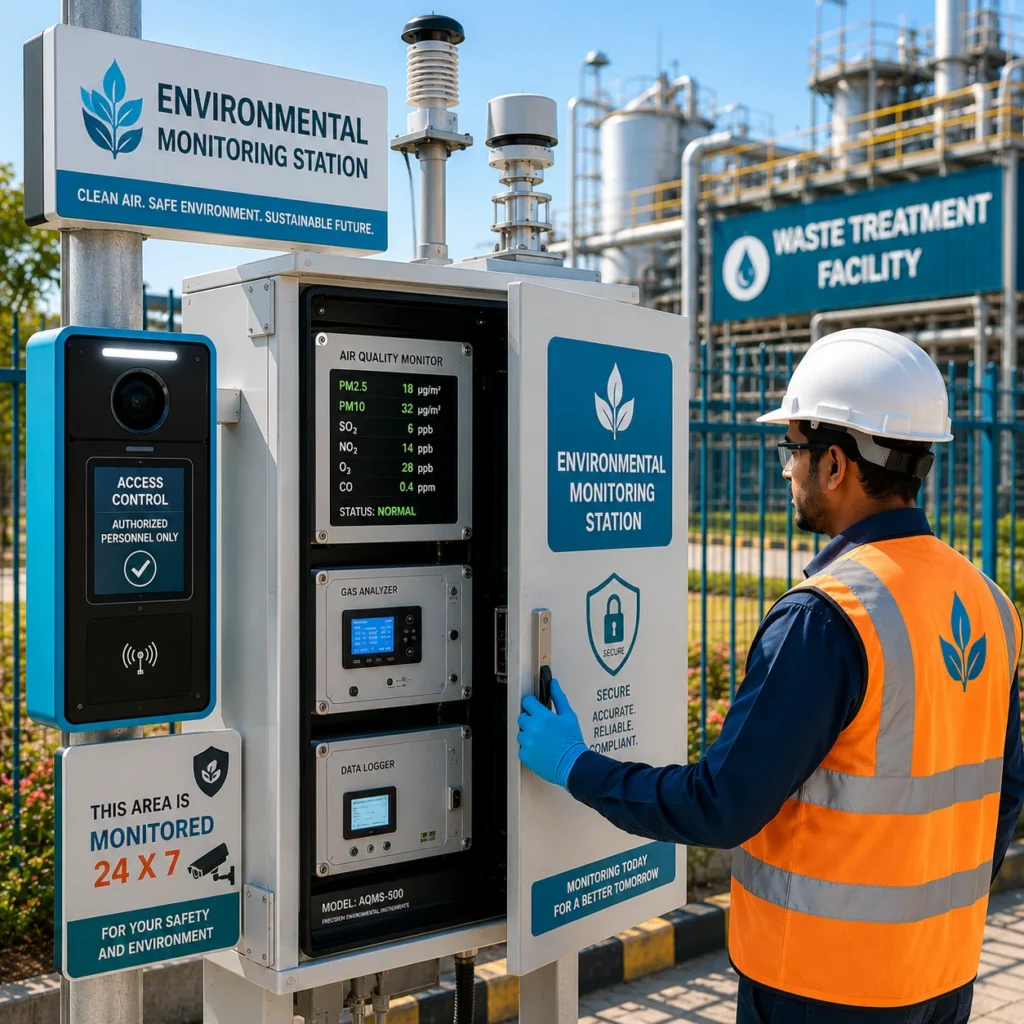
Environmental compliance also has a physical dimension. Industrial premises, waste storage areas, treatment facilities, drainage points, and other sites may contain visual information useful for investigation.
Where suitable cameras are available and monitoring is appropriate, video analytics can identify predefined events for human review.
Potential applications include:
- Detecting visible smoke or unusual plume-like activity for verification.
- Monitoring access to restricted treatment or waste-handling areas.
- Identifying activity around designated waste storage zones.
- Detecting movement in controlled monitoring areas.
- Supporting reconstruction of selected incidents.
Video analytics should not be treated as proof of pollution. Regulatory assessment may require sampling, laboratory analysis, technical inspection, or other prescribed evidence.
Linking Field Evidence With Regulatory Records
The stronger model appears when SOP analytics and video analytics support the same investigation.
Imagine a facility with repeated complaints and unresolved corrective actions. SOP analytics identifies delays in follow-up procedures, while video analytics from a suitable monitored area flags recurring activity relevant to the complaint. Investigators can use these signals to decide what requires verification during the next inspection.
After corrective action, analytics can track whether the procedural issue or related event recurs. This allows regulatory action to be assessed for effectiveness rather than measured only by whether a notice was issued.
Different Rules For Different Environmental Risks
State Pollution Control Boards oversee manufacturing units, sewage and effluent treatment systems, waste-management facilities, and other regulated activities. The analytical approach should therefore reflect the specific environmental risk.
For industrial facilities, SOP analytics may focus on inspection and compliance workflows, while video analytics could support monitoring around designated storage or discharge-related areas.
For waste-management facilities, attention may shift toward waste handling, restricted areas, and operational procedures. For sewage or effluent treatment facilities, analytics could focus on inspection routines, maintenance procedures, monitoring records, and selected physical events.
A single generic AI rule set would not capture these differences effectively.
Building A Practical State-Level Programme
An SPCB can begin with one measurable regulatory problem rather than deploying AI across every workflow. Suitable pilots could involve inspection follow-up, recurring complaints, corrective-action tracking, monitoring-data quality, or selected facility surveillance.
The pilot should establish baseline performance and measure reduced follow-up delays, fewer repeated procedural deviations, faster investigation, improved corrective-action closure, and useful video-alert accuracy.
Governance should include access controls, data retention, cybersecurity, privacy, model validation, auditability, and human review.
For State Pollution Control Boards, AI based SOP analytics and video analytics can provide a practical layer between environmental signals and regulatory action. Their role is not to replace inspectors, scientists, or authorised decision-makers, but to help them identify patterns sooner, investigate more efficiently, and maintain greater consistency across environmental compliance.
FAQs
It can identify recurring delays, incomplete inspection steps, documentation gaps, and follow-up weaknesses across defined regulatory workflows.
No. It can identify visual events that warrant verification, but regulatory conclusions should rely on appropriate technical evidence and authorised assessment.
Yes. Recurrence, facility history, previous corrective actions, and other available signals can help teams prioritise complaints for investigation.
Potential sites include waste-management facilities, treatment plants, industrial premises, and controlled monitoring locations where suitable cameras and legitimate monitoring purposes exist.
Useful measures include inspection turnaround time, repeated SOP deviations, corrective-action closure, investigation time, alert accuracy, and recurrence of selected environmental issues.