AI video analytics for Goa Shipyard can support safety monitoring, SOP compliance, and security across shipbuilding facilities. AI-powered video analytics helps identify safety violations, monitor restricted areas, and improve operational visibility using CCTV infrastructure. These activities require strict safety discipline and continuous monitoring. AI-based SOP analytics and video analytics can help GSL improve visibility across critical work areas while enabling safety and security teams to focus on events that truly require intervention.
The value of AI in this context goes beyond surveillance. It enables GSL to connect live visual data with defined procedures, detect recurring deviations, and generate structured insights for continuous safety improvement.
Converting SOPs Into Digital Monitoring Rules
SOP analytics allows GSL to translate selected safety procedures into observable digital rules that AI systems can monitor.
For example, if a lifting SOP requires a clear exclusion zone, computer vision can continuously track that area and alert when a person enters it.
SOP Area | AI Detection Capability | Response Type |
PPE compliance | Missing safety gear | Supervisor alert |
Crane operations | Entry into exclusion zone | Immediate warning |
Vehicle movement | Unsafe pedestrian proximity | Safety alert |
Restricted access | Unauthorised entry | Security escalation |
Work zones | Obstructions detected | Inspection request |
Material handling | Unsafe positioning | Operational review |
The effectiveness of this system depends on aligning AI rules with GSL-specific SOPs and risk assessments. AI identifies deviations, while trained personnel decide corrective actions
A More Intelligent Approach To Shipyard Monitoring
Traditional CCTV systems provide useful recordings, but they depend heavily on human monitoring or post-incident review. Video analytics adds intelligence by automatically identifying predefined conditions in real time.
At GSL, such capabilities can support:
- PPE compliance monitoring in work zones
- Detection of personnel in crane or lifting exclusion areas
- Unsafe proximity between workers and vehicles
- Restricted-area access control
- Unusual movement near sensitive facilities
- Obstruction detection in operational pathways
- Material and vehicle movement tracking
- Camera tampering or loss of visibility alerts
The objective is not full automation of safety decisions, but early detection of high-risk situations.
Applications Across Shipyard Operations
Different shipbuilding activities require different monitoring priorities, making flexible AI deployment essential.
Fabrication And Welding Areas
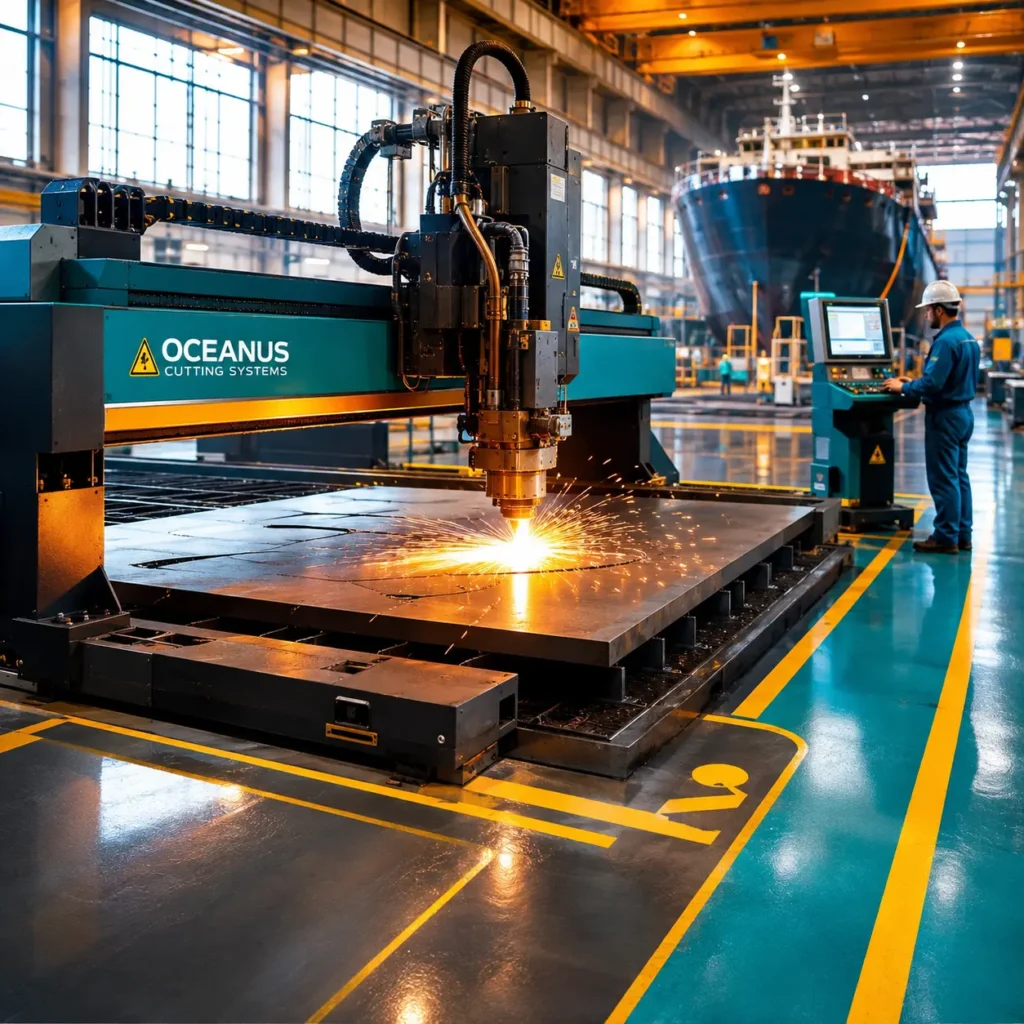
These zones involve welding, cutting, heavy components, and simultaneous operations. AI can monitor PPE compliance, worker movement, exclusion zones, and interaction with machinery.
Lifting And Material Handling
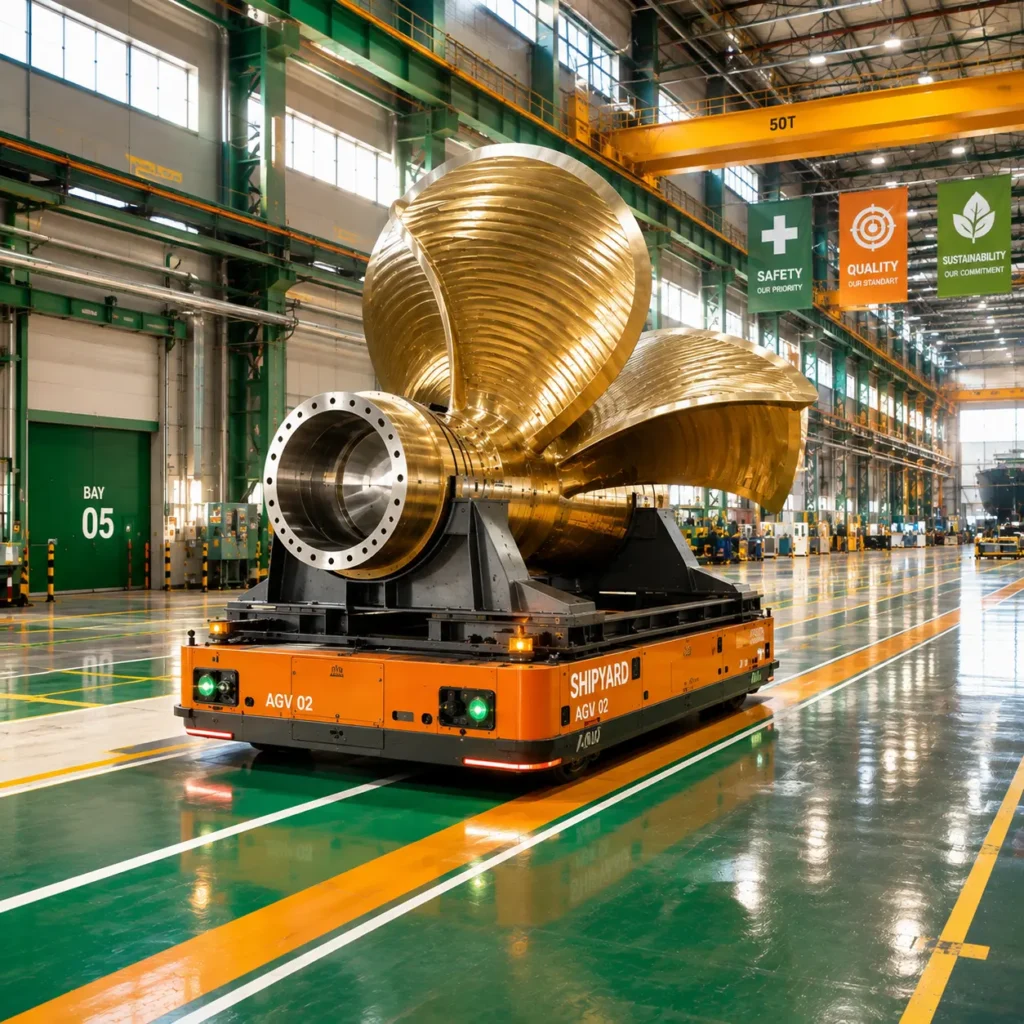
Cranes and lifting systems are central to shipbuilding. Video analytics can track defined lifting paths and detect entry into restricted zones, reducing risk during heavy operations.
Assembly And Repair Work
Work zones change frequently during construction and repair. AI can help monitor temporary restrictions, material flow, access control, and safety compliance in dynamic environments.
Gates And Perimeter Security
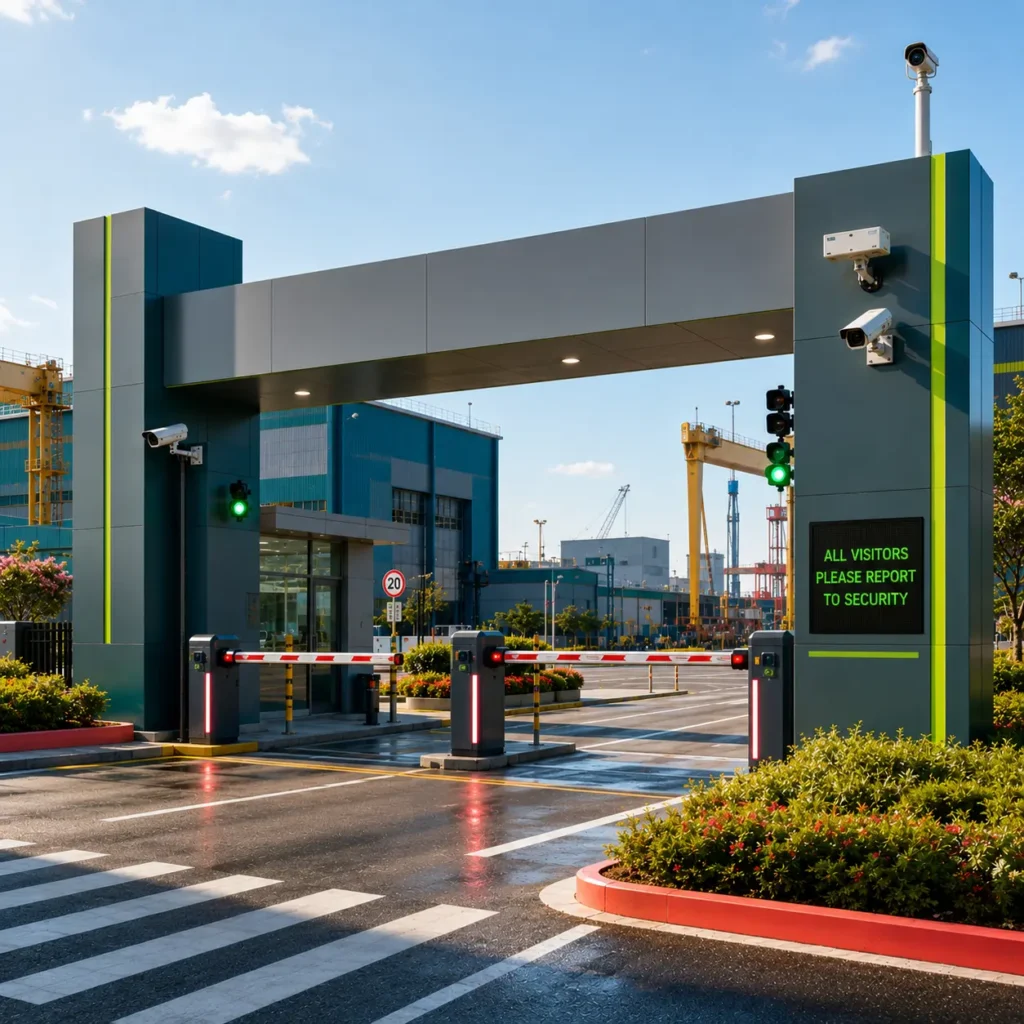
As a defence-linked shipyard, GSL requires strong perimeter control. AI can support monitoring of people, vehicles, and unusual activity at entry points and sensitive areas.
Integrating Video With Operational Systems
AI video analytics becomes more powerful when combined with other shipyard systems.
GSL can integrate video insights with:
- Access control systems
- Crane and equipment status
- Maintenance records
- Safety management platforms
- Vehicle tracking systems
- Material movement data
- Control room dashboards
For example, if a person enters a crane zone, the system can check whether the crane is active. This context helps classify risk levels more accurately and reduces unnecessary alerts.
Supporting Incident Analysis And Investigation
Video analytics also improves post-incident analysis. Instead of manually reviewing large volumes of footage, authorised users can search based on time, location, or detected events.
This helps reconstruct:
- Sequence of events before an incident
- Movement of personnel and equipment
- Presence of safety violations
- Speed of escalation
- Contributing environmental or operational factors
Such insights support faster and more accurate safety investigations.
A Controlled Implementation Strategy
To ensure reliability, GSL should adopt a phased deployment approach.
Step 1: Identify Critical SOPs
Select high-risk procedures where visual compliance can be clearly defined.
Step 2: Assess Infrastructure
Review camera coverage, lighting, network capacity, storage, and cybersecurity readiness.
Step 3: Pilot In Real Conditions
Shipyard environments include welding glare, dust, changing light, and large structures that can affect AI accuracy.
Step 4: Define Response Workflows
Each alert type must have clear ownership, escalation paths, and response timelines.
Step 5: Scale Gradually
Expand only after validating accuracy, false alerts, and operational value
Security And Data Protection
Given GSL’s defence-related operations, security is a critical requirement for any AI system.
Key considerations include:
- Role-based access control
- Secure network architecture
- Data retention and deletion policies
- Audit trails for all access
- Cybersecurity safeguards
- Protection of sensitive footage
- Controlled system integration
- Human validation of critical alerts
Measuring Operational Impact
GSL can evaluate success using measurable indicators such as:
- Reduction in SOP violations
- PPE compliance improvement
- Crane-zone intrusion reduction
- Restricted-area incidents
- Worker-vehicle proximity events
- Safety alert response time
- False-positive rate
- Incident investigation time
- Corrective action closure time
These metrics help determine whether AI is improving safety performance and operational efficiency.
AI-based SOP analytics and video analytics can significantly strengthen GSL’s safety, security, and operational monitoring framework. When integrated with existing SOPs, access systems, and operational data, AI becomes a decision-support layer that helps detect risks earlier and improve response effectiveness.
Frequently Asked Questions
It is a system that uses AI to compare observed workplace activity with defined SOPs and identify potential deviations in real time.
It continuously monitors work areas for PPE compliance, restricted access, unsafe proximity, and other predefined safety conditions.
Yes. AI can monitor crane zones and alert when people or vehicles enter restricted lifting areas.
Yes. It can assist with perimeter monitoring, access control, movement tracking, and detection of unusual activity