AI video analytics for CPWD can help improve safety, SOP compliance, security, and operational monitoring across government construction projects and facilities. By using AI-powered video analytics with existing CCTV infrastructure, CPWD teams can identify safety violations, monitor restricted areas, track contractor compliance, and gain real-time visibility into site activities.. Its projects can involve multiple contractors, consultants, engineers, workers, visitors, vehicles, and maintenance teams operating within the same premises.
This makes consistent site supervision a significant operational requirement. AI-based SOP analytics and video analytics can help CPWD move from occasional visual checks toward more continuous monitoring of defined safety, security, and site-management conditions.
Three CPWD Environments With Different Requirements
A useful AI strategy for CPWD should recognise that its facilities are not identical.
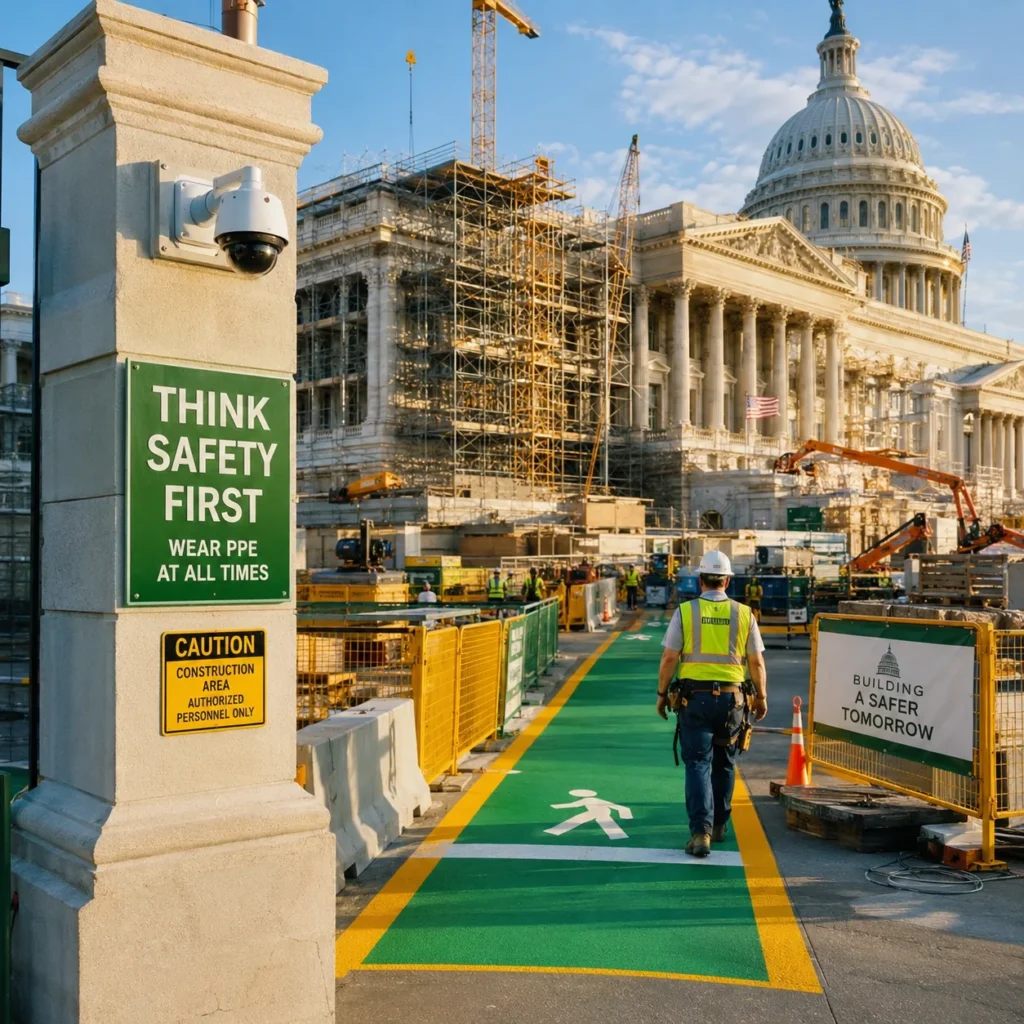
Active Construction Projects
Construction sites can involve excavation, structural work, cranes, scaffolding, lifting, material handling, and temporary access routes. AI can monitor selected safety requirements and worker-equipment interactions.
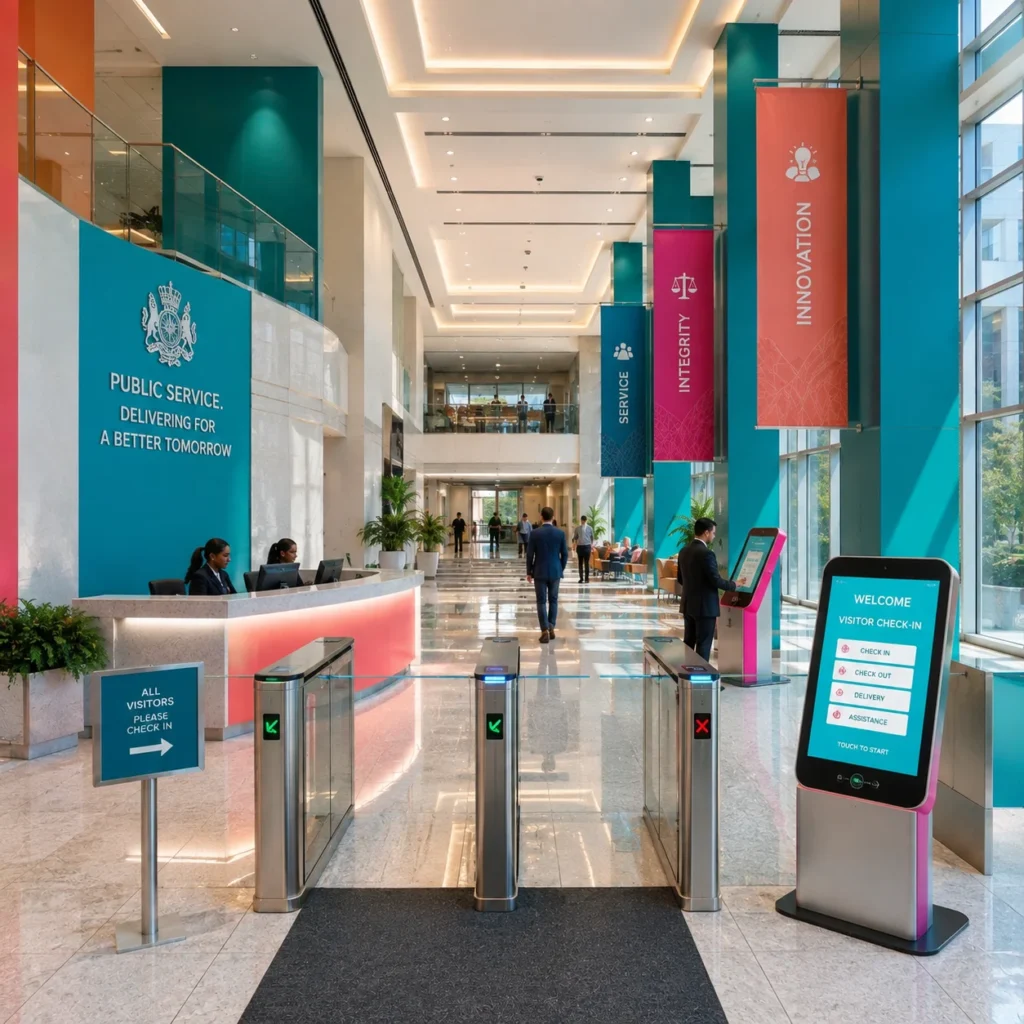
Occupied Government Buildings
Renovation and maintenance may occur while employees and visitors continue using a building. Video analytics can help distinguish designated work areas from public or occupied zones and monitor access around temporary barriers.
Maintenance And Estate Operations
CPWD personnel and contractors may undertake electrical, plumbing, civil, mechanical, and facility-maintenance activities. AI can support monitoring of controlled work areas, access restrictions, and selected PPE requirements.
This location-based approach is more practical than applying one set of analytics across every CPWD property.
From Site Supervision To Intelligent Oversight
CPWD engineers and supervisors cannot physically observe every location throughout the working day, particularly when multiple projects are active simultaneously. Existing CCTV infrastructure can provide visibility, but manually watching large numbers of cameras is inefficient.
Video analytics can act as an additional layer of supervision by identifying predefined events and bringing them to the attention of the appropriate personnel.
Potential applications include:
- Workers entering restricted construction areas
- Missing visible PPE
- Unsafe proximity to construction equipment
- Unauthorised access to project premises
- Vehicles entering designated pedestrian zones
- Obstructions on emergency pathways
- Unusual activity around government buildings
- Movement in controlled maintenance areas
Making Project SOPs More Measurable
CPWD projects operate according to defined contractual, technical, safety, and site-management requirements. Some of these requirements have visible characteristics that can be monitored through AI.
CPWD Requirement | Possible AI Capability | Management Benefit |
PPE compliance | Detect selected missing PPE | Faster corrective action |
Restricted zones | Identify unauthorised entry | Better site control |
Lifting areas | Monitor personnel presence | Reduce exposure to hazards |
Vehicle routes | Detect pedestrian interaction | Improve traffic safety |
Emergency paths | Identify obstructions | Support preparedness |
Site access | Monitor unusual entry | Strengthen security |
A Useful Application: Contractor Monitoring
Multiple contractors may operate at a large CPWD project, making consistent safety supervision challenging.
AI analytics can provide an additional source of evidence about selected site conditions. If repeated PPE or restricted-zone violations are detected in one work area, CPWD teams can investigate whether the problem relates to contractor supervision, training, site layout, equipment availability, or another factor
Video Analytics For Government Buildings
CPWD’s responsibilities extend beyond construction sites. Government buildings can have controlled rooms, service areas, parking facilities, entrances, corridors, and public-facing spaces with different security requirements.
Video analytics can support:
- Unauthorised access detection
- Monitoring of restricted rooms
- Vehicle movement around premises
- Unusual gatherings
- Crowd-density alerts where appropriate
- Camera obstruction detection
- Selected emergency-route monitoring
Connecting Site Information With AI
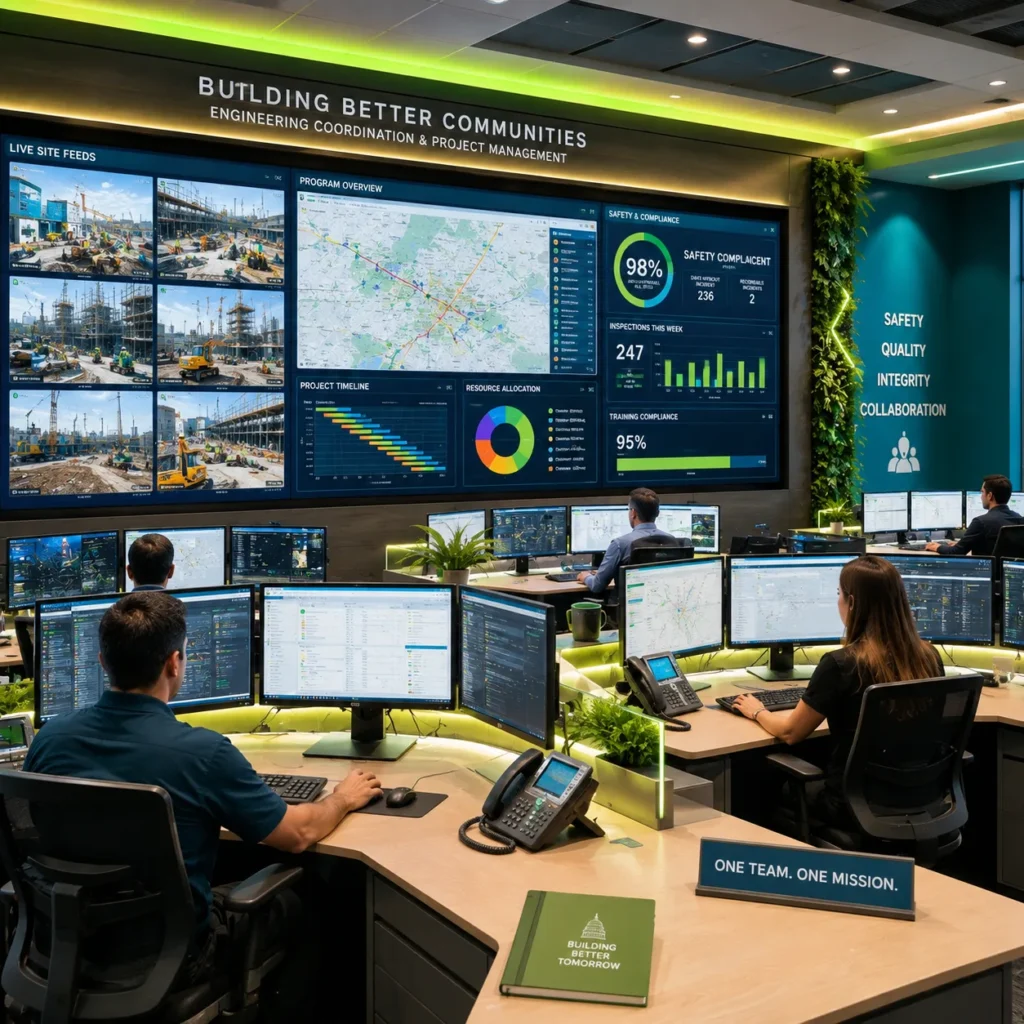
AI-generated video events become more useful when they are linked with project information.
A CPWD monitoring platform could potentially associate an alert with:
- Project location
- Contractor
- Work package
- Scheduled activity
- Site zone
- Maintenance status
- Access permissions
- Responsible engineer or supervisor
Using Video Data For Better Project Reviews
Recorded video is traditionally valuable after an incident. With analytics, it can also become useful for identifying recurring operational patterns.
CPWD could examine whether particular sites repeatedly experience:
- Worker access violations
- PPE deviations
- Vehicle conflicts
- Unauthorised movement
- Blocked pathways
- After-hours activity
What A CPWD Pilot Should Look Like
A large-scale rollout is not necessarily the best starting point. CPWD can first select a few projects representing different environments, such as a major construction site, an occupied government building, and a maintenance location.
The pilot should test:
- Camera coverage
- Detection accuracy
- Night-time performance
- Network reliability
- Environmental conditions
- False-alert frequency
- Alert response procedures
- Data-security requirements
The most useful applications can then be expanded to additional locations after their performance has been demonstrated.
KPIs That Matter
The success of AI analytics should be evaluated through outcomes rather than the number of cameras or alerts generated.
CPWD can track:
- Recurring SOP deviations
- PPE compliance
- Restricted-area events
- Worker-equipment proximity incidents
- Alert response time
- False-positive rate
- Incident investigation duration
- Contractor corrective-action closure
- Manual CCTV review time
For CPWD, AI-based SOP analytics and video analytics can become a practical extension of existing engineering and supervision processes. By combining visual monitoring with project information and human oversight, the department can improve visibility across dispersed worksites while retaining professional judgement at the centre of safety and operational decisions.
Frequently Asked Questions
Yes. It is particularly suitable for visually measurable requirements such as PPE, restricted zones, equipment proximity, vehicle movement, and selected site-access conditions
Analytics can provide objective information about recurring safety deviations and selected site conditions, which can support inspections, contractor reviews, and corrective-action monitoring.
Yes. Potential applications include restricted-area access, unusual movement, vehicle monitoring, and selected safety conditions, subject to appropriate privacy and security controls.
Potentially. Their suitability depends on factors such as resolution, positioning, field of view, lighting, connectivity, and whether the camera captures the conditions that need to be detected.
It should focus on measurable improvements such as fewer recurring SOP deviations, faster response to important events, improved compliance, reduced investigation time, and lower manual CCTV-review requirements.