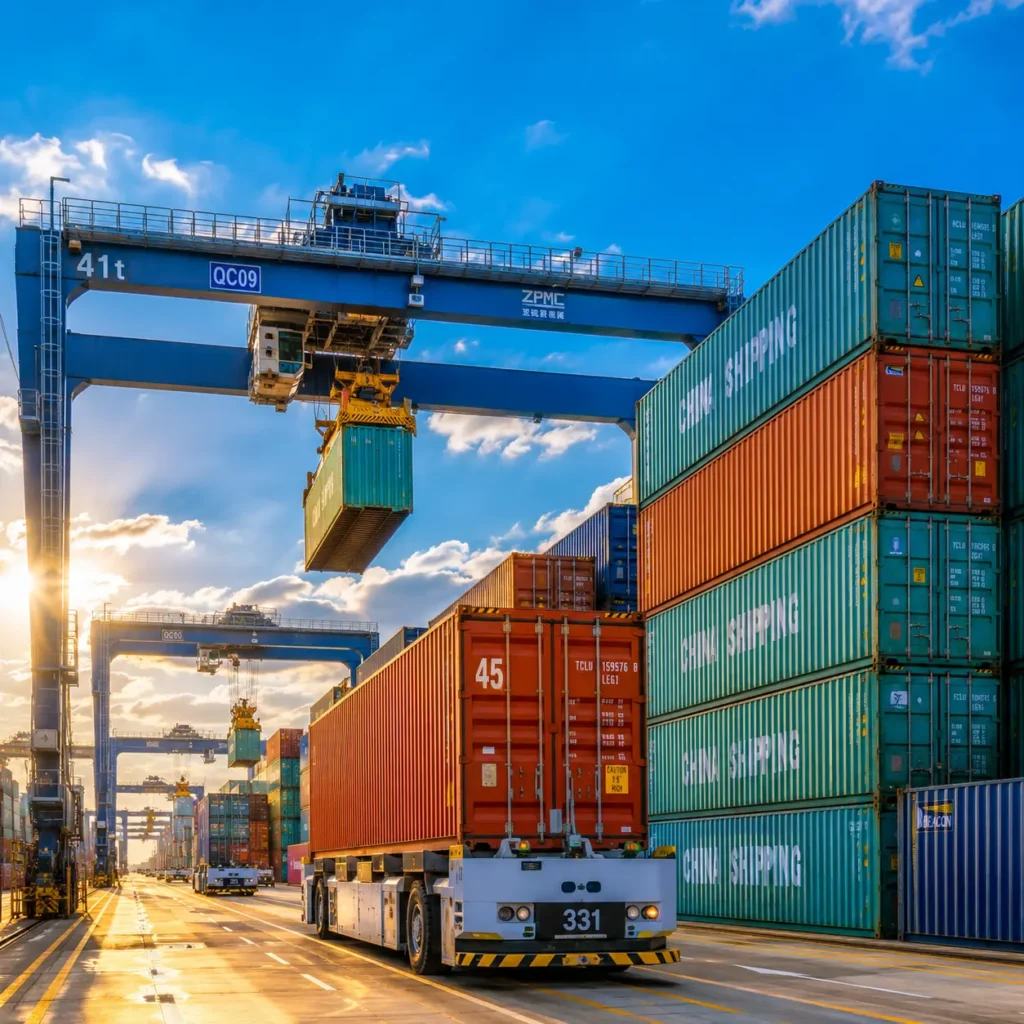
Handling more than 41 million tonnes of cargo requires more than efficient equipment and well-defined procedures. At V.O. Chidambaranar Port Authority, the operating environment spans vessel handling, container movement, bulk cargo operations, equipment, access points, storage areas, and multiple teams working across a port ecosystem. As throughput grows, maintaining consistent execution becomes increasingly important. AI based SOP analytics and video analytics can help the Port Authority turn operational data and visual information into practical insights for safety and performance.
Where SOP Analytics Can Strengthen Port Operations
A port’s standard operating procedures cover activities where consistency matters, from equipment checks and cargo-handling processes to safety inspections, access controls, and emergency preparedness. Yet an SOP is useful only when its requirements are followed consistently in real operating conditions.
AI based SOP analytics can examine digital checklists, inspection records, incident reports, maintenance information, corrective actions, and other process data to identify patterns in compliance. For V.O. Chidambaranar Port Authority, this could help management determine whether certain procedures are frequently delayed, skipped, or repeatedly followed incorrectly.
Instead of reviewing each exception separately, analytics can reveal where problems are concentrated. For example, recurring deviations may be associated with particular types of cargo handling, equipment categories, operational zones, shifts, or stages of a workflow. This makes it easier to prioritize corrective action.
Finding The Reason Behind Repeated Deviations
A useful SOP analytics programme should go beyond producing a compliance score. If a procedure is repeatedly missed, management needs to understand the operational reason. The cause could be unclear instructions, workflow pressure, training gaps, equipment availability, communication issues, or a procedure that no longer reflects actual working conditions.
By connecting deviations with operational records, the Port Authority can identify recurring causes and decide whether the appropriate response is retraining, process redesign, better supervision, or SOP revision.
Video Analytics For A Busy Port Environment
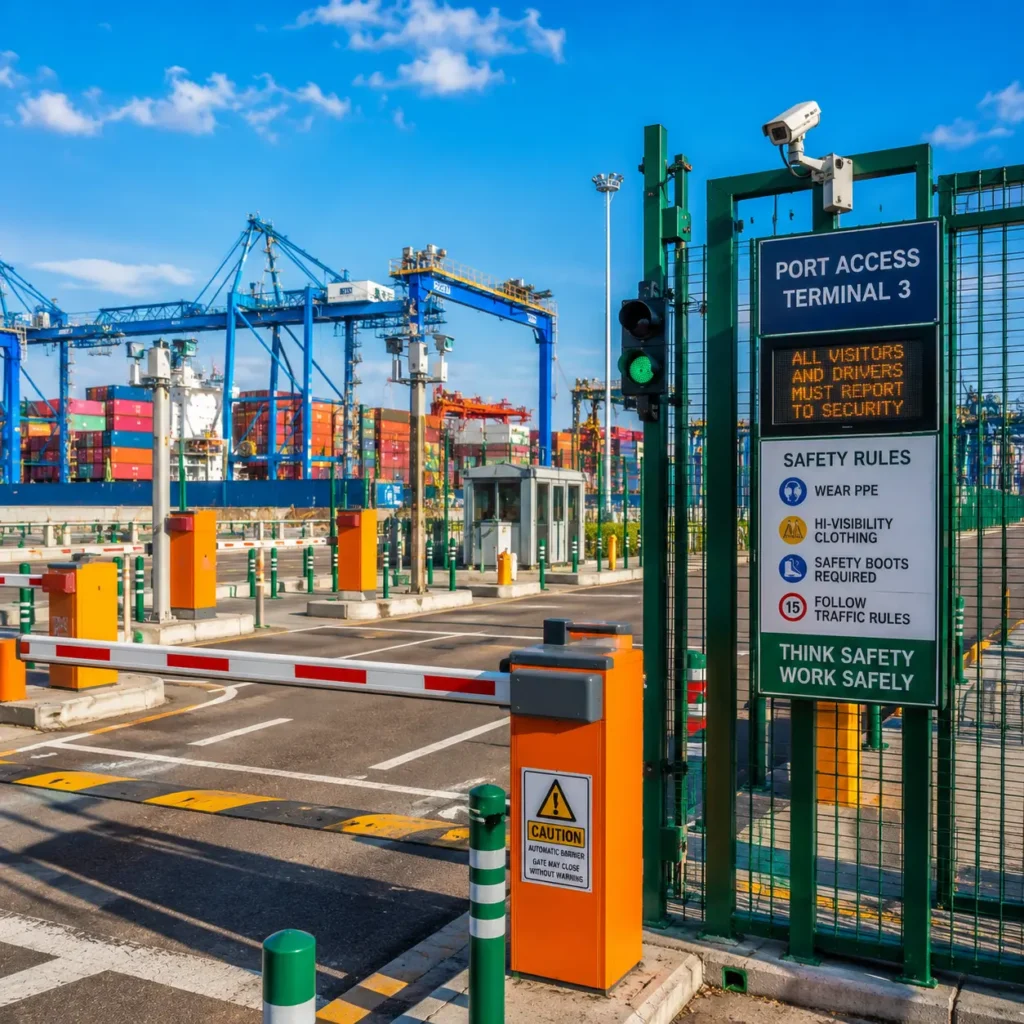
Video analytics provides a complementary perspective because it can interpret events visible through surveillance cameras. For a port with active cargo-handling areas, roads, yards, gates, and restricted operational zones, this can support safety and security teams without requiring personnel to manually observe every camera feed continuously.
Potential applications can include detecting people entering restricted areas, identifying vehicles or pedestrians in defined risk zones, monitoring unusual movement near cargo-handling operations, and supporting investigations after safety or security incidents.
Video analytics can also help identify patterns around congestion or unsafe interactions between people, vehicles, and equipment. The system can flag defined events so supervisors can review them and take appropriate action.
Supporting Container And Bulk Cargo Activities
The Port Authority handles containerized and other cargo streams, creating different operating conditions. Video analytics can therefore be configured according to the specific risk profile of each location rather than applying one identical detection model everywhere.
In container areas, attention may focus on vehicle movement, restricted zones, equipment interaction, and access control. In bulk cargo areas, analytics could support monitoring around loading, unloading, conveyor-related zones, vehicle routes, and areas where dust or visibility conditions may affect operations.

From Isolated Alerts To A Port-Wide Improvement Loop
The strongest value comes from connecting SOP and video analytics rather than treating them as separate technologies.
Consider a recurring safety deviation identified through SOP records. Analytics could show that the issue occurs more frequently during a particular activity or operating period. Relevant video events could then help supervisors understand what was happening around those instances. The findings could lead to a targeted intervention, followed by measurement of whether the deviation declines.
This creates a practical improvement cycle:
- Identify a recurring deviation.
- Locate the activity, area, or condition associated with it.
- Review relevant operational and video evidence.
- Determine the likely contributing factors.
- Improve the SOP, training, workflow, or supervision.
- Measure the result over time.
Building A Measurable AI Use Case
For V.O. Chidambaranar Port Authority, implementation can begin with a limited number of high-value use cases rather than attempting to analyse every process simultaneously. A pilot could focus on a defined safety workflow, restricted-area monitoring, equipment-related activity, or a recurring compliance issue.
Success should be measured through operational outcomes such as fewer repeated SOP deviations, faster incident investigation, improved inspection completion, better response to safety events, or reduced disruption. Governance should include access controls, data retention, human review of alerts, and periodic model validation.
AI should ultimately strengthen the Port Authority’s operational discipline, not replace the judgment of supervisors, safety personnel, or engineering teams.
Lorem ipsum dolor sit amet, consectetur adipiscing elit. Ut elit tellus, luctus nec ullamcorper mattis, pulvinar dapibus leo.
It can identify recurring deviations across procedures, helping teams focus corrective action on processes that show repeated compliance or performance issues
Depending on camera coverage and defined rules, it can detect events involving restricted-area access, vehicle movement, pedestrian presence, equipment zones, and other operational conditions.
Yes. Different detection rules and analytics models can be configured for different operational environments, allowing applications to reflect the specific risks and workflows of each area.
Relevant footage can help teams reconstruct events, identify surrounding conditions, and compare observed activity with established procedures. Human review remains important when interpreting incidents.