A health programme can have well-defined guidelines and still face inconsistent execution at the last mile. A diagnostic sample may not move according to the required procedure, a cold-chain check may be missed, an essential facility inspection may be delayed, or a community health activity may not be documented completely. Across a large public health network, individual exceptions can become significant operational patterns. For the National Health Mission, AI based SOP analytics and video analytics can help identify these patterns and strengthen implementation without replacing healthcare professionals.
Where Implementation Needs Better Visibility
The National Health Mission operates through a broad network of public health facilities, programmes, frontline workers, district teams, and state-level systems. This makes standardisation difficult because operational conditions differ between facilities and regions.
AI based SOP analytics can examine whether defined procedures are being completed consistently across relevant workflows. It can analyse available inspection records, facility checklists, programme reports, stock records, service logs, maintenance information, incident reports, and corrective actions.
The objective is to identify where implementation is drifting from expected procedures.
For example, analytics may reveal that certain facility inspections are repeatedly delayed, particular corrective actions remain open for extended periods, or specific programme activities generate recurring documentation exceptions.
Moving Beyond Compliance Scores
A compliance percentage can indicate that a problem exists, but it does not necessarily explain why.
Analytics can compare deviations by facility type, district, activity, time period, or process stage. This can help determine whether recurring gaps are associated with staffing constraints, resource availability, training requirements, workflow design, infrastructure limitations, or unclear procedures.
That distinction allows programme managers to choose a more appropriate intervention instead of treating every exception as an individual performance issue.
Making Facility Monitoring More Targeted
Healthcare facilities contain many areas where physical conditions and operational discipline matter. Video analytics can provide additional visibility at suitable locations where surveillance is appropriate and ethically governed.
Potential applications include monitoring restricted access, identifying unauthorised entry into controlled areas, supporting security around medicine or equipment storage, and detecting selected safety-related events.
In larger facilities, analytics can help direct attention toward unusual activity rather than requiring personnel to continuously monitor multiple camera feeds.
The technology should remain focused on legitimate operational purposes. Patient privacy, consent requirements, data protection, access controls, and appropriate human review are essential, particularly in healthcare environments.
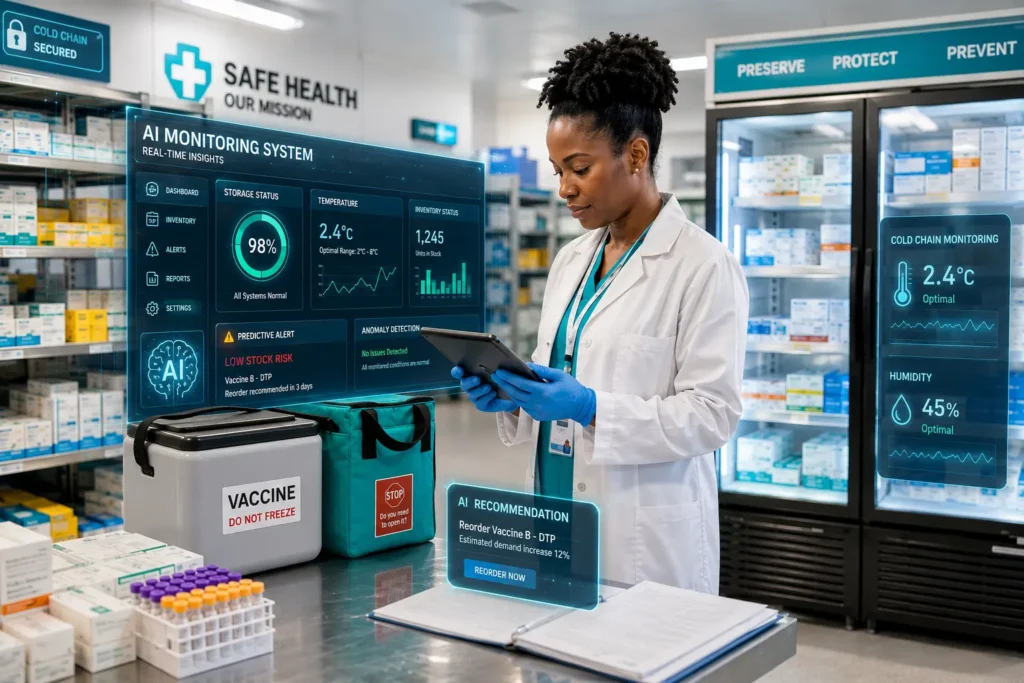
Supporting Medicine And Vaccine Handling
Public health programmes depend on reliable handling of medicines, vaccines, diagnostics, and other supplies. Different programmes have different storage and distribution requirements.
SOP analytics can examine whether defined inventory checks, equipment inspections, stock reconciliation, temperature-monitoring procedures, and corrective actions are being completed on schedule.
Video analytics can provide supporting visibility around restricted storage rooms, loading areas, or facility access points. It should not be treated as a substitute for validated temperature monitoring, inventory systems, or clinical quality controls.
The value lies in connecting procedural compliance with physical security and operational activity.
Strengthening Field-Level Programme Delivery
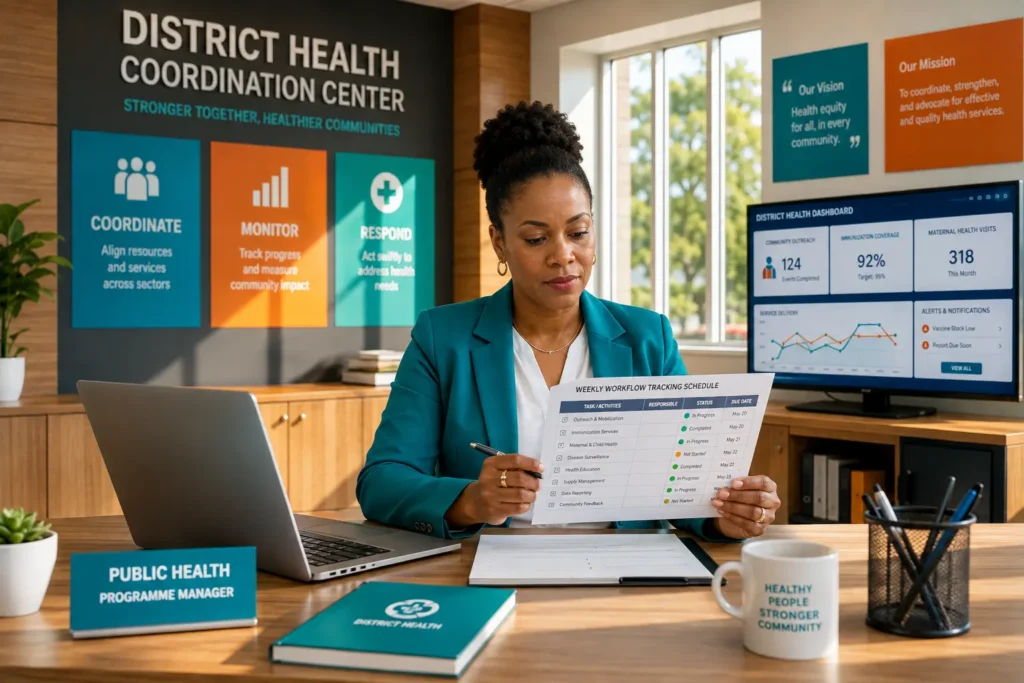
National Health Mission programmes extend beyond hospitals and clinics. Frontline health workers and outreach teams perform activities in communities, making consistent documentation and follow-up important.
SOP analytics can identify recurring gaps in reporting, referral processes, scheduled visits, stock-related procedures, or follow-up workflows where suitable digital records exist.
This can help district teams identify patterns requiring training, supervision, resource support, or process improvement.
AI should not determine the quality of a healthcare worker’s clinical decision independently. Clinical judgement and programme supervision must remain central.
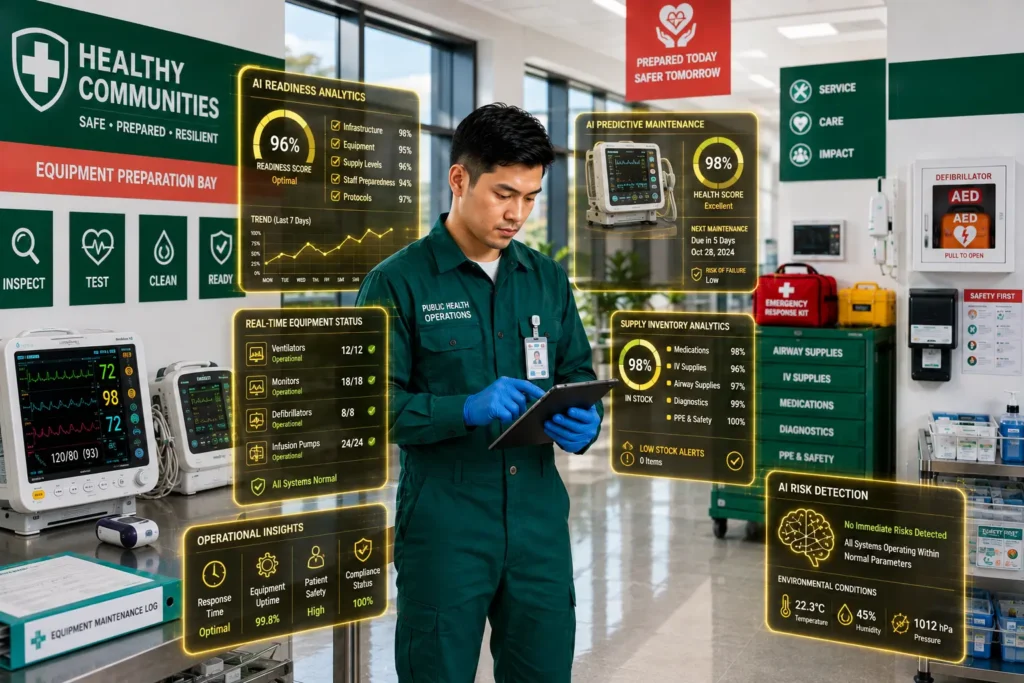
Using AI For Facility Readiness
Facility readiness is another area where SOP analytics can be valuable. A facility may technically be operational while facing recurring gaps in equipment checks, maintenance, essential supplies, sanitation, or emergency preparedness.
Analytics can compare inspection findings with subsequent corrective actions and determine whether identified issues are actually being resolved.
If the same issue repeatedly appears after closure, programme managers have evidence that the corrective measure may not have addressed the underlying problem. This supports a shift from inspection-driven administration toward continuous improvement
Building A Responsible Analytics Programme
The National Health Mission can approach AI through specific operational problems rather than attempting to automate every health programme simultaneously.
A pilot could focus on facility readiness, medicine-storage procedures, restricted-area security, equipment maintenance, or a defined reporting workflow. Baseline measures should be established before deployment.
Useful indicators could include:
- Reduction in repeated SOP deviations.
- Faster closure of corrective actions.
- Improved completion of facility inspections.
- Reduced recurrence of selected operational issues.
- Faster investigation of facility incidents.
- Improved relevance of video alerts.
Healthcare data requires particularly strong governance. Role-based access, data minimisation, retention policies, cybersecurity, auditability, privacy safeguards, and human validation should be incorporated from the beginning.
For the National Health Mission, AI based SOP analytics and video analytics can serve as operational support systems that help programme managers see where implementation needs attention. Their greatest value is not automated decision-making, but earlier identification of recurring weaknesses and better evidence for strengthening public health delivery.
FAQs
It can identify recurring gaps in facility inspections, reporting, stock procedures, maintenance, corrective actions, and other defined workflows.
Yes, for appropriate operational and security purposes such as restricted-area monitoring, facility access, and selected safety events, provided privacy and healthcare-specific governance requirements are followed.
SOP analytics can track required inspections and related procedures, while video analytics can support access and security monitoring. Validated temperature and inventory systems remain essential.
No. AI should provide operational insights and alerts while clinical professionals, programme managers, and supervisors retain responsibility for decisions
A focused workflow such as facility readiness, equipment maintenance, medicine-storage compliance, or corrective-action monitoring can provide measurable results before broader implementation