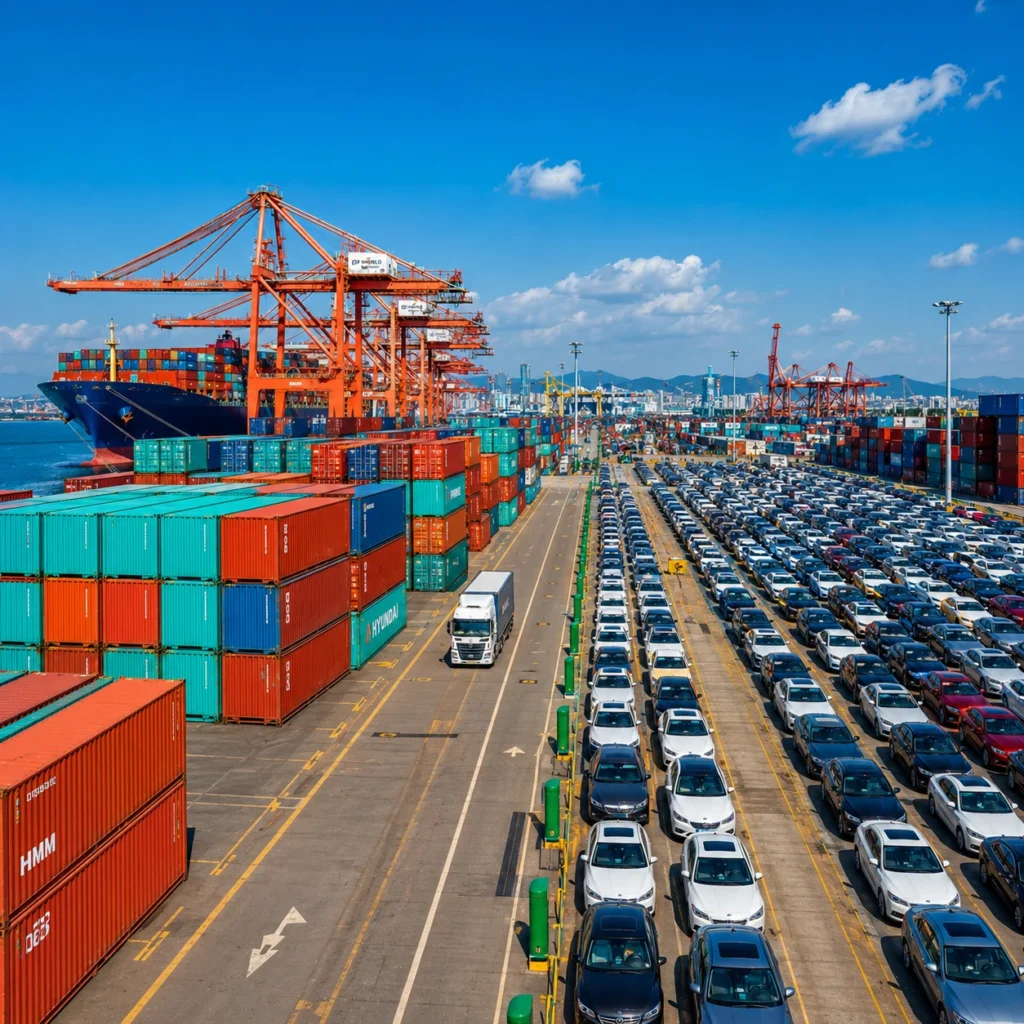
Kamarajar Port Limited has evolved from a port originally focused on thermal coal into a multi-cargo gateway handling coal, containers, automobiles, liquid cargo, LNG and project cargo. Its operating environment therefore brings together very different workflows, from bulk handling and container movements to ship-to-ship liquid cargo operations and vehicle exports. For KPL, the challenge is not simply collecting more operational data. It is making that information useful across activities with different risk and control requirements.
One Port, Multiple Control Environments
A useful AI strategy for KPL should recognise that the same analytical rule cannot be applied uniformly across every terminal.
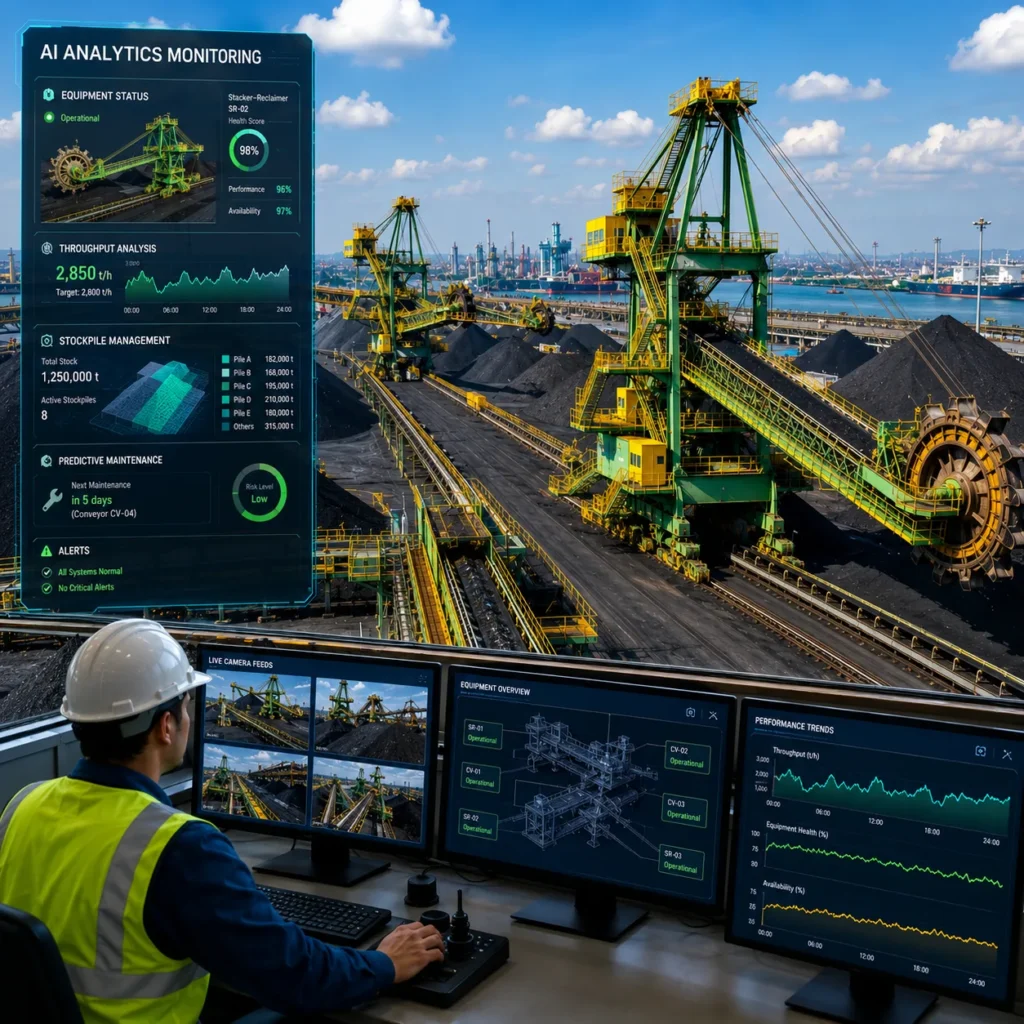
Coal operations involve bulk movement, conveyor systems, stockyard interfaces and heavy equipment. Container operations introduce cranes, yard equipment, trucks and rail-linked movement. Automobile handling requires controlled vehicle movement and large parking areas, while LNG and marine liquid activities demand disciplined procedures around specialised cargo.
AI based SOP analytics can create a common management layer across these environments without forcing every operation into the same process model.
The system can examine digital checklists, inspection records, permits, incident reports, maintenance observations, corrective actions and other available process information. Instead of producing a single compliance score, it can show which procedures are generating repeated exceptions and where operational teams may need attention.
Comparing Procedures Across Operating Conditions
The real advantage comes from context. If a procedure is regularly delayed during one type of cargo operation but performs consistently elsewhere, the difference becomes a useful management signal.
Analytics could help KPL examine whether deviations correlate with particular equipment, locations, shifts, cargo activities or stages of a workflow. This can support decisions about training, staffing, procedure design, maintenance or supervision.
Video Analytics As A Terminal-Specific Layer
In order to integrate CCTV, video analytics, and other operational technologies, KPL already has an Integrated Command & Control Center. This lays the groundwork for increasing the useful application of visual intelligence.
Rather than expecting operators to watch numerous feeds continuously, analytics can identify predefined visual events and direct attention to situations that require review.
For coal and bulk terminals, potential applications include detecting people or vehicles entering controlled equipment zones, identifying unusual movement around cargo-handling areas and supporting monitoring of defined traffic routes.
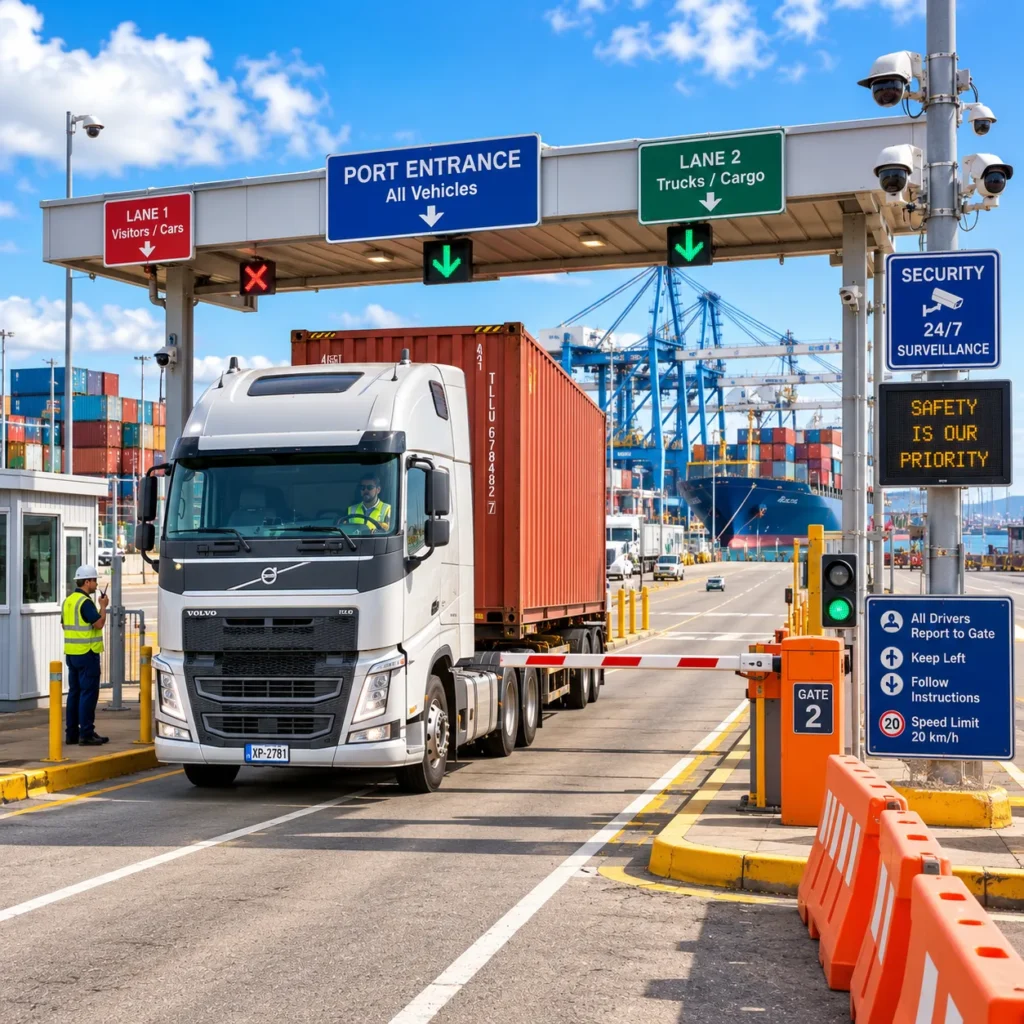
At automobile facilities, analytics could focus on vehicle movement, access control, parking-area activity and interactions between people and moving vehicles.
For liquid and LNG-related areas, rules could be configured around restricted zones, access conditions and other observable safety or security events appropriate to those facilities.
Using SOP And Video Evidence Together
It is the ability to connect a procedural exception with what was happening physically at the time.
Suppose SOP analytics identifies repeated deviations during a particular cargo-handling activity. Management could examine the corresponding location, time and operational conditions, then use relevant video evidence to understand the circumstances.
The review might reveal congestion, equipment positioning, unusual traffic, a shift-change pattern or another factor that is not visible in the written record.
This helps move investigations from assumption to evidence. It also allows KPL to determine whether a recurring problem requires a revised SOP, additional training, better supervision or an operational change.
Where AI Can Improve Management Attention
Not every SOP deviation or video event carries the same operational significance. KPL could establish risk-based categories for analytics outputs, separating routine exceptions from events requiring prompt review.
For example, repeated access into a defined restricted zone may deserve greater attention than a low-impact administrative delay. A risk-oriented approach can reduce alert overload and make AI more useful to control-room and operational teams.
Measuring Whether The Intervention Worked
After a corrective action, analytics can continue measuring the same condition. If repeated deviations decline or relevant video events become less frequent, the intervention has evidence behind it. If the pattern continues, management can reassess the underlying cause.
A Practical Expansion Path For KPL
KPL can approach implementation in stages. A focused pilot could begin with one measurable issue, such as restricted-zone monitoring, a recurring cargo-handling SOP deviation, vehicle movement in a defined area, or faster incident investigation.
The pilot should establish baseline performance, define alert and escalation responsibilities, test detection accuracy under actual conditions, and determine how AI outputs will be recorded and reviewed.
Data governance is equally important. Access permissions, retention periods, cybersecurity, human validation and model performance should be defined before expanding analytics across additional terminals.
For Kamarajar Port Limited, the business case for AI is less about adding another technology layer and more about creating stronger operational visibility across a diverse port. When SOP analytics explains where processes are drifting and video analytics helps show what is happening on the ground, management gains a stronger basis for improving safety, consistency and operational performance.
FAQs
Its terminals handle very different cargo and activities. Separate rules allow analytics to reflect the specific risks, equipment and workflows of each operating environment.
Potentially, yes. KPL’s existing ICCC provides a platform for integrating CCTV, video analytics and other systems, creating a foundation for broader analytical capabilities
It can identify recurring deviations in inspections, equipment-related procedures, safety checks and other defined workflows, helping teams investigate patterns rather than isolated exceptions.
Yes. Subject to suitable camera coverage and configured detection rules, it can support monitoring of vehicle movement, access conditions and selected interactions between people and vehicles.