Copper mining combines demanding underground and open-cast operations with mineral processing, material handling, maintenance, and other activities where safety depends on precise execution. For Hindustan Copper Limited (HCL), AI-based SOP analytics and video analytics can provide an additional layer of operational visibility by continuously identifying selected safety deviations, process conditions, and activities that require human attention.
Rather than treating cameras only as surveillance equipment, HCL can use computer vision to convert visual information into structured safety and operational data.
From Visual Monitoring To Preventive Action
Traditional CCTV helps organisations investigate incidents and review events after they occur. AI-enabled video analytics adds another capability: identifying predefined conditions while operations are taking place.
For HCL, this can be useful across mining areas, workshops, processing facilities, material-handling locations, access points, and other operational zones.
Potential alerts can include:
- Missing PPE in designated work areas
- Entry into restricted or hazardous zones
- Unsafe proximity between workers and mobile equipment
- Unauthorised movement around critical infrastructure
- Obstructions in monitored areas
- Vehicle movement in restricted locations
- Unusual activity requiring operator verification
Building A Mine-Specific Analytics Framework
AI deployment should begin with the problems that matter most rather than attempting to analyse every available camera.
HCL can begin by identifying high-risk activities and selecting SOPs that can be reliably observed through video. A pilot can then be conducted at a suitable mining or processing location.
The implementation can follow four stages:
- Map critical SOPs and high-risk zones.
- Assess camera coverage, lighting, connectivity, and computing requirements.
- Validate AI models under actual operating conditions.
- Integrate verified alerts into existing safety and supervisory workflows.
Where Video Analytics Can Support HCL
The technology can be structured around the different environments found within copper mining and processing operations.
Underground Mining
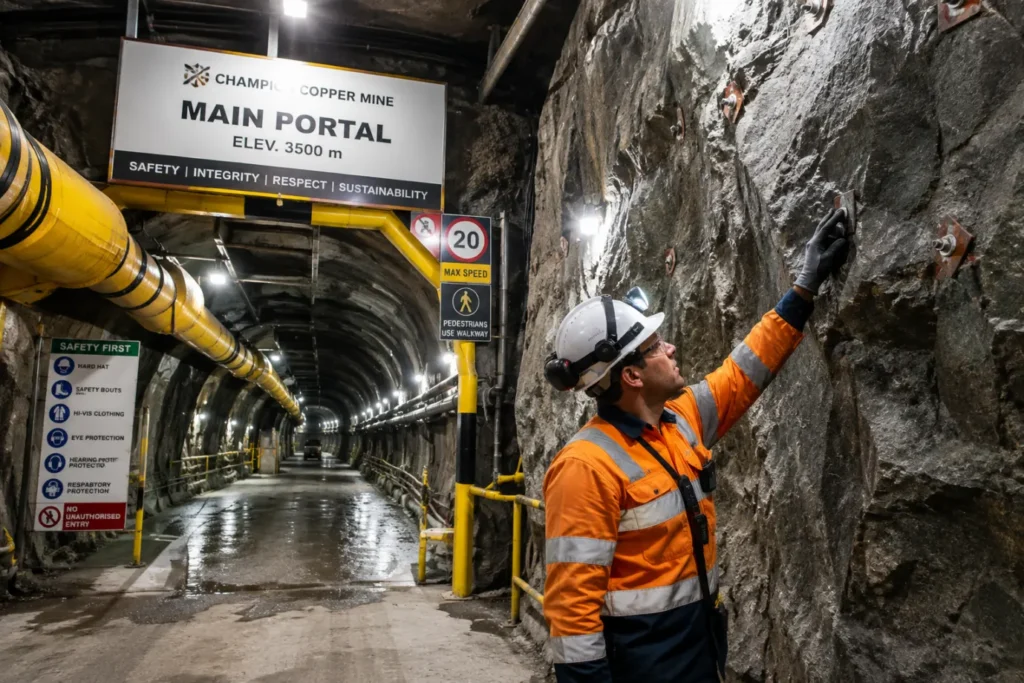
Underground environments can benefit from monitoring at selected access points, shaft-related areas, loading locations, equipment zones, and other places where visibility and human supervision may be challenging.
AI can identify defined events involving personnel, equipment, and access restrictions, provided camera coverage and environmental conditions support reliable detection.
Open-Cast Mining
Open-cast operations involve large areas with heavy vehicles, excavators, haul roads, and material movement. Video analytics can monitor selected zones for unsafe proximity, restricted access, vehicle movement, and other predefined conditions.
Processing And Material Handling
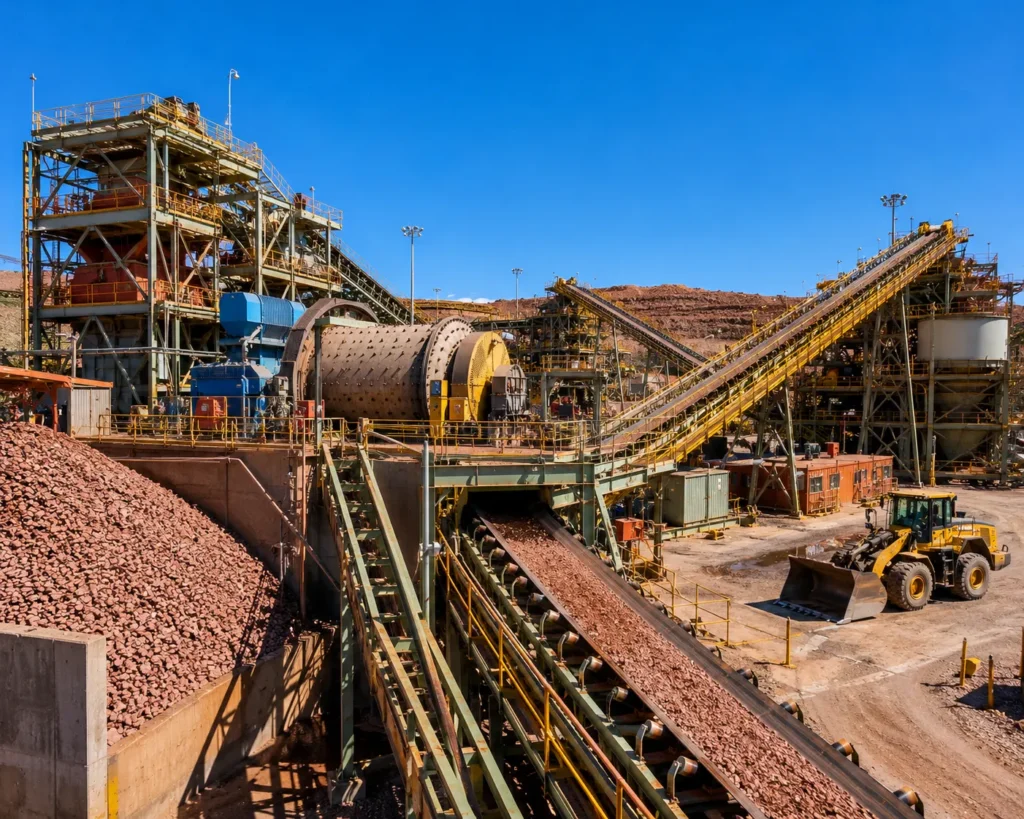
Crushing, grinding, concentration, conveying, and related operations contain equipment and transfer points where continuous observation can support safety and operational monitoring.
AI can identify people entering designated areas, visible obstructions, or unusual visual conditions that warrant inspection.
Connecting Cameras With Operational Data
Video analytics becomes more valuable when visual events are connected with other plant information.
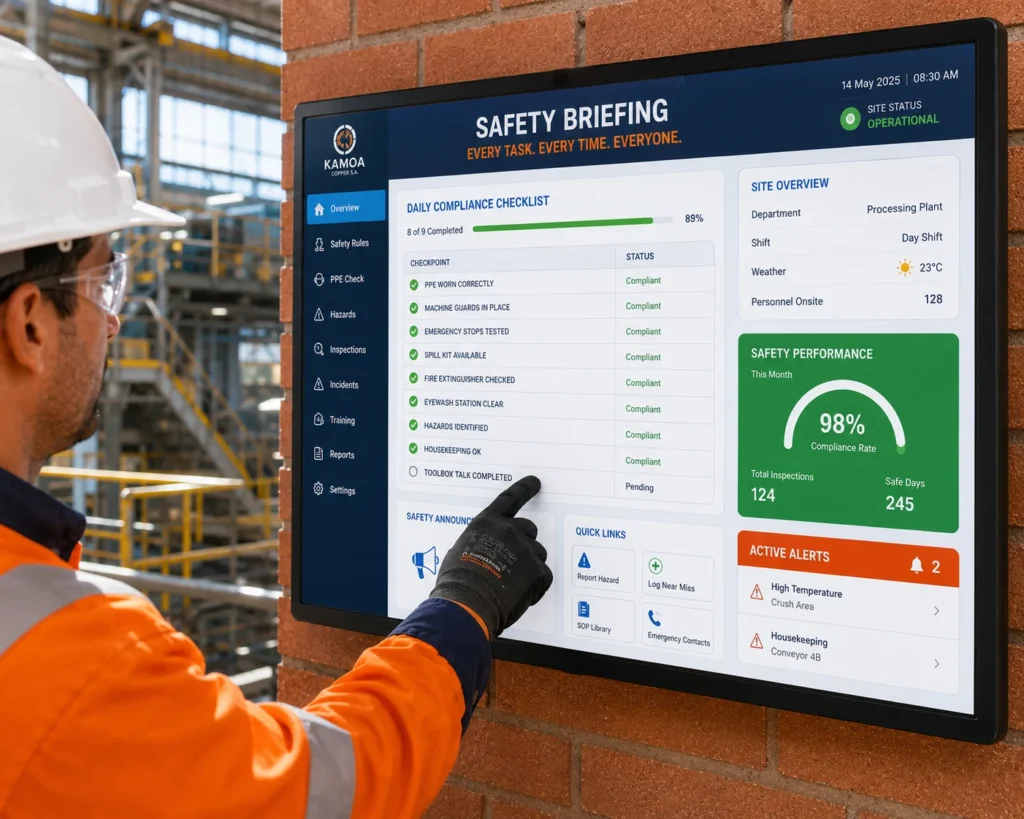
HCL could potentially integrate AI-generated events with equipment status, access-control systems, maintenance records, sensor data, alarms, and operational dashboards. This would allow teams to assess an event using more than camera footage alone.
Turning Repeated Alerts Into Safety Insights
The longer-term value of SOP analytics comes from identifying patterns rather than simply generating alerts.
If the same PPE deviation repeatedly occurs at one location, or workers frequently enter a particular restricted zone, HCL can investigate the underlying reason. The problem may relate to site layout, signage, workflow, training, equipment positioning, or the practicality of the procedure itself.
Measuring The Results
HCL should evaluate AI analytics through measurable operational and safety outcomes rather than the number of cameras or alerts produced.
Useful indicators could include:
- SOP deviation frequency
- Safety-alert response time
- False-alert percentage
- Restricted-zone violation frequency
- Incident investigation time
- Corrective-action closure time
- Manual surveillance workload
- Recurrence of identified safety conditions
It is the use of AI to assess selected observable activities against predefined safety and operating procedures and identify potential deviations.
It can continuously analyse selected camera feeds for PPE issues, restricted-area entry, unsafe proximity, vehicle movement, and other conditions that can be defined and detected visually.
Potentially. Existing cameras may be suitable if their resolution, positioning, lighting, connectivity, and field of view meet the requirements of the selected analytics application. Some locations may require upgrades.
Yes. Computer vision can identify selected equipment-related events and worker-equipment interactions. Combining video with equipment or sensor data can provide additional context.
No. AI should support safety professionals rather than replace them. Human teams should validate significant alerts, determine corrective action, investigate incidents, and remain responsible for safety decisions.