Why Traditional Operating Models Are Struggling to Keep Up
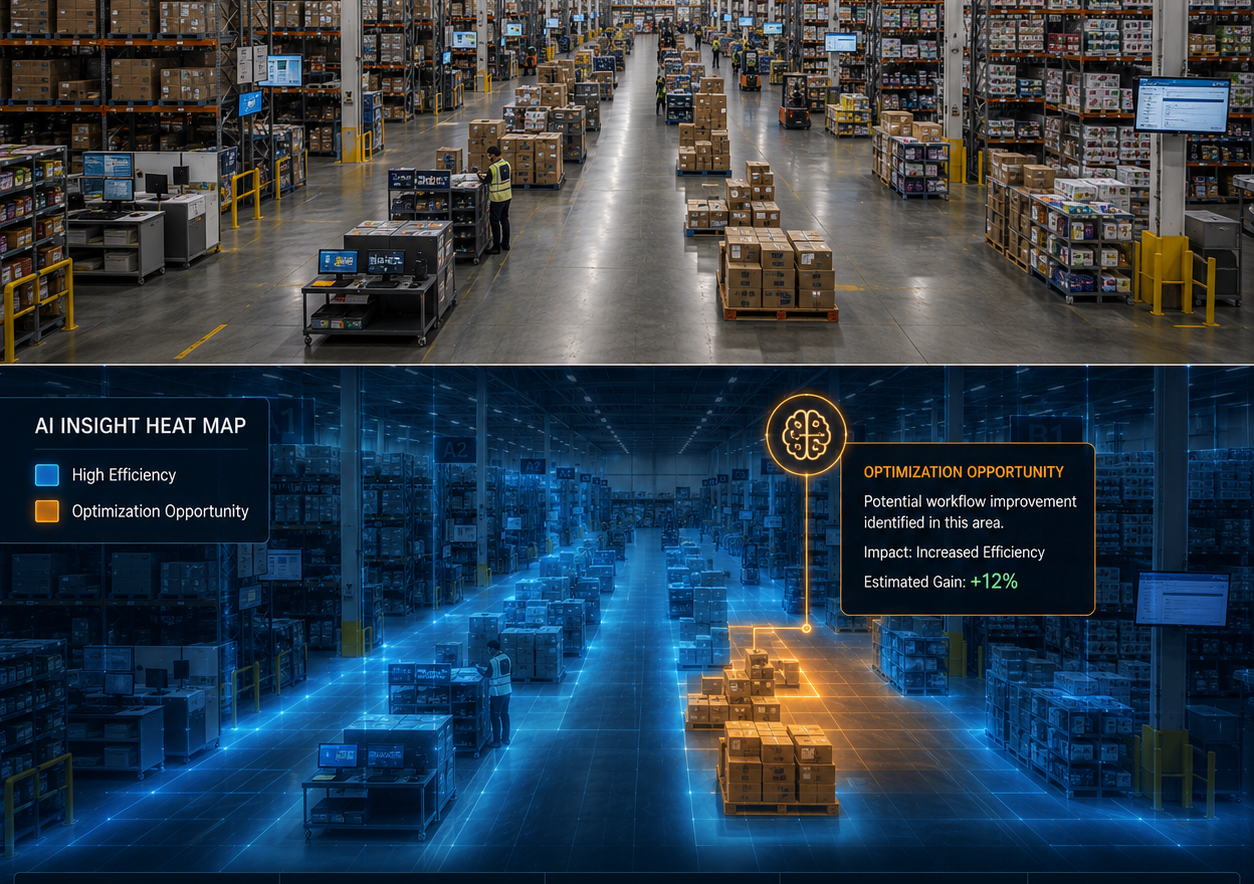
Modern enterprises are operating in an environment defined by rapid change, increasing complexity, and growing customer expectations. Businesses must manage multiple locations, distributed workforces, regulatory requirements, operational risks, and competitive pressures—all while maintaining efficiency and profitability.
For many organizations, traditional operating models were designed for a slower and more predictable business environment. These models often rely on manual supervision, periodic reporting, reactive decision-making, and fragmented operational visibility. While these approaches may have worked in the past, they are becoming increasingly difficult to scale in today’s fast-moving business landscape.
As enterprises expand across regions, facilities, and business units, leaders require faster access to information and greater control over operational performance.
The Challenges Facing Modern Enterprises
Organizations across industries commonly encounter challenges such as:
- Limited visibility into day-to-day operations
- Delayed identification of operational issues
- Inconsistent process execution across locations
- Rising labor and supervision costs
- Compliance and safety risks
- Slow response to incidents and disruptions
- Difficulty scaling operational oversight
These challenges can create inefficiencies that impact productivity, customer satisfaction, profitability, and long-term business growth.
What Are AI-Augmented Operations?
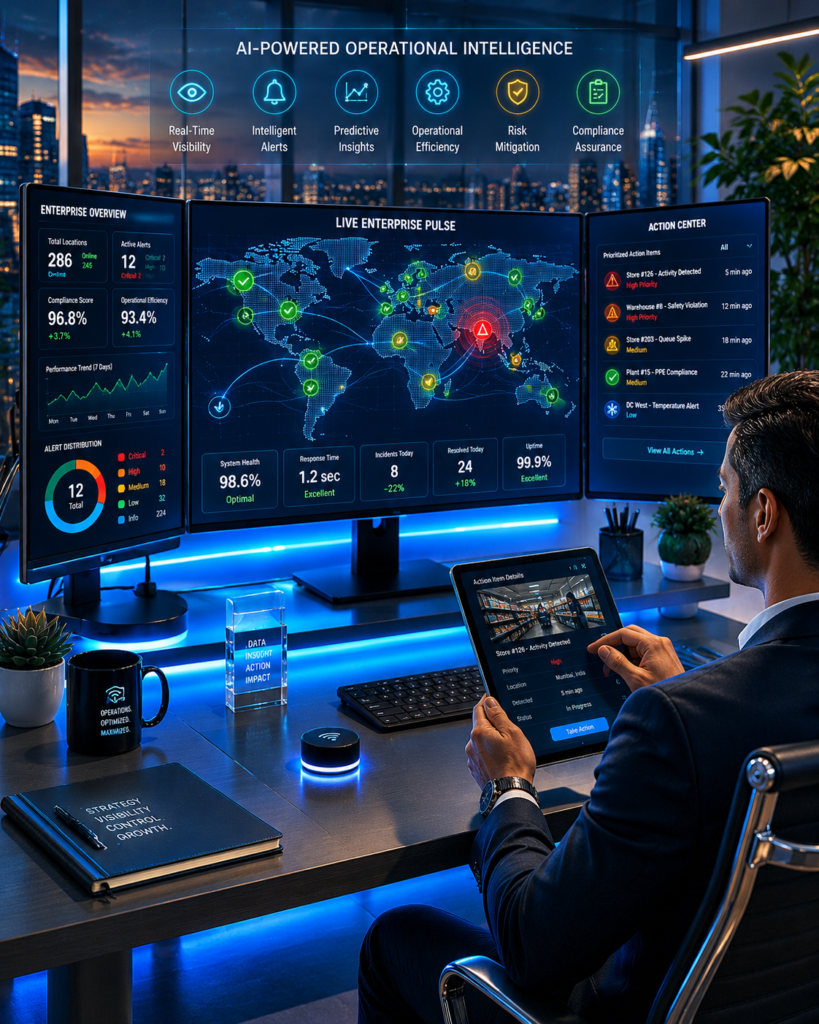
AI-augmented operations represent a new operating model in which human expertise is enhanced by artificial intelligence, real-time data, and automated insights.
Rather than replacing human decision-makers, AI acts as an intelligent operational partner that continuously monitors activities, identifies patterns, detects anomalies, and surfaces critical information when action is required.
This approach allows organizations to move beyond reactive management and adopt a more proactive, data-driven method of operating.
Key characteristics of AI-augmented operations include:
- Real-time operational visibility
- Automated monitoring and analysis
- Intelligent alerts and notifications
- Continuous performance tracking
- Predictive operational insights
- Faster decision-making
- Improved resource allocation
The goal is to empower people with better information, not replace them.
Why Businesses Are Adopting AI-Augmented Operations
The volume of operational data generated by modern enterprises has grown dramatically. From surveillance systems and production processes to customer interactions and facility activities, organizations now have access to more information than ever before.
The challenge is not collecting data—it is transforming data into actionable intelligence.
AI helps organizations process information at a scale and speed that would be difficult through manual methods alone. This enables businesses to identify opportunities, risks, and operational issues much earlier.
Benefits include:
- Improved operational efficiency
- Enhanced compliance oversight
- Reduced manual monitoring requirements
- Faster incident response
- Better business performance visibility
- Increased operational consistency
Stronger decision-making capabilities
Compare Traditional Operations and AI-Augmented Operations
Operational Area | Traditional Operations | AI-Augmented Operations |
Monitoring | Manual observation | Continuous AI-assisted monitoring |
Decision-Making | Reactive | Data-driven and proactive |
Visibility | Limited and fragmented | Enterprise-wide visibility |
Issue Detection | After incidents occur | Early identification |
Reporting | Historical reports | Real-time insights |
Compliance Management | Periodic audits | Continuous monitoring |
Scalability | Resource-intensive | Highly scalable |
As organizations compare operating models, AI augmentation is increasingly viewed as a strategic advantage rather than a technology upgrade.
The Building Blocks of AI-Augmented Operations
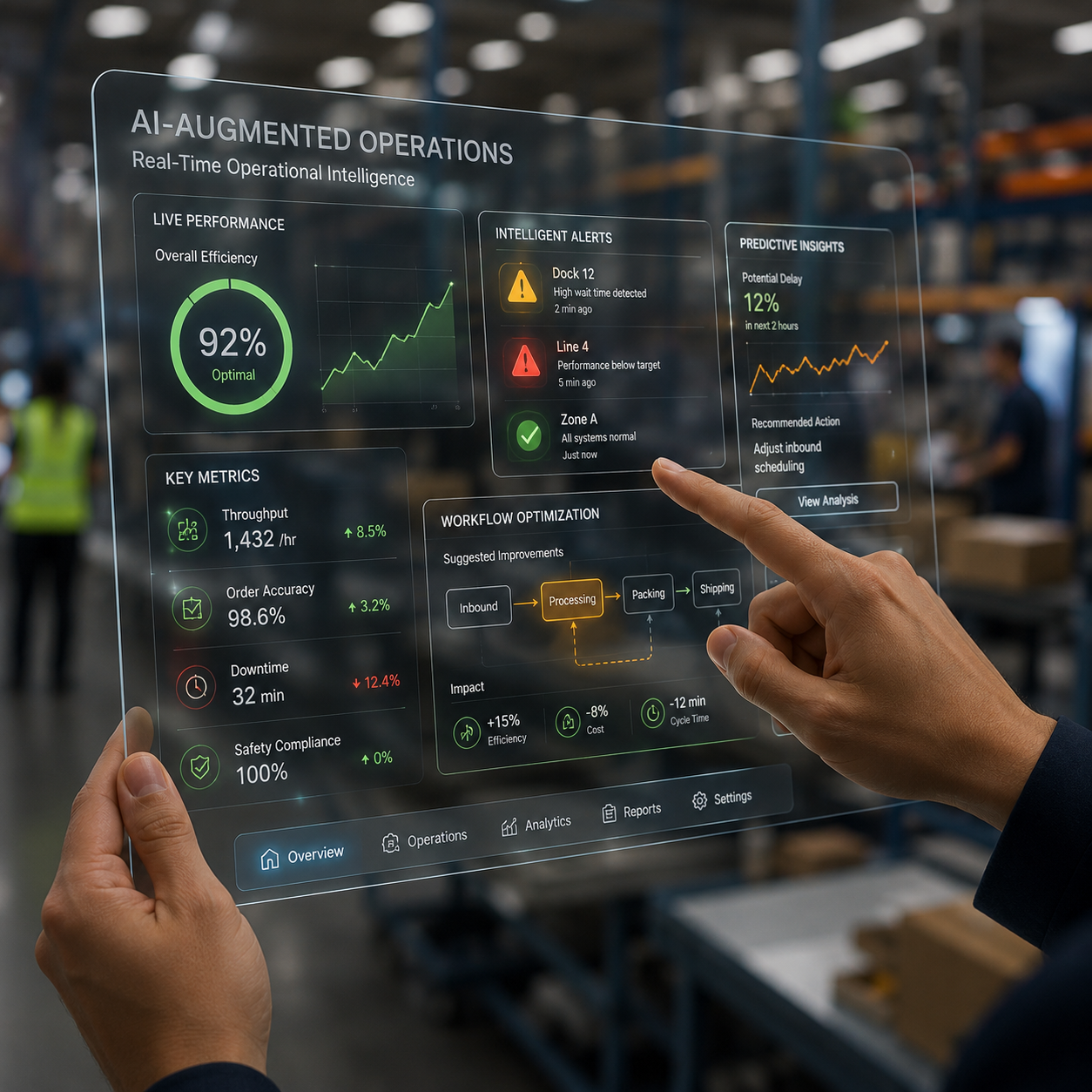
Real-Time Visibility
Organizations gain immediate insight into operational activities across facilities, departments, and business units.
Intelligent Alerts
AI can identify unusual events, process deviations, and operational risks, ensuring that teams focus on issues requiring attention.
Predictive Analysis
Instead of only understanding what happened, organizations can anticipate what may happen next and take preventive action.
Continuous Improvement
AI-driven insights help identify recurring inefficiencies and opportunities for optimization across operations.
Human-AI Collaboration
The most effective operating models combine human judgment with AI-generated intelligence, creating faster and more informed decision-making processes.
How CAPASai Supports AI-Augmented Operations
CAPASai helps organizations adopt AI-augmented operations by transforming existing CCTV infrastructure into an intelligent operational monitoring platform.
Through AI-powered video analytics, remote monitoring, and real-time alerts, CAPASai enables businesses to gain greater visibility into operational activities, compliance requirements, safety standards, and process execution across multiple locations.
Rather than relying solely on manual observation, organizations can use intelligent insights to improve operational consistency and accelerate response times.
Industry Applications
AI-augmented operations are being adopted across a wide range of industries, including:
- Retail chains
- Quick service restaurants
- Manufacturing facilities
- Pharmaceutical production
- Banking and financial services
- Healthcare and hospitals
- Logistics and fulfillment centers
- Hospitality operations
- Educational institutions
- Smart cities and public infrastructure
While operational requirements vary by industry, the need for greater visibility and faster decision-making remains consistent.
The Future of Enterprise Operations
The future operating model is unlikely to be fully manual or fully automated. Instead, it will be built around collaboration between people and intelligent systems.
Organizations that successfully combine human expertise with AI-powered operational intelligence will be better equipped to manage complexity, improve efficiency, maintain compliance, and scale effectively.
As businesses continue to evolve, AI-augmented operations will become an increasingly important foundation for operational excellence, resilience, and competitive advantage.