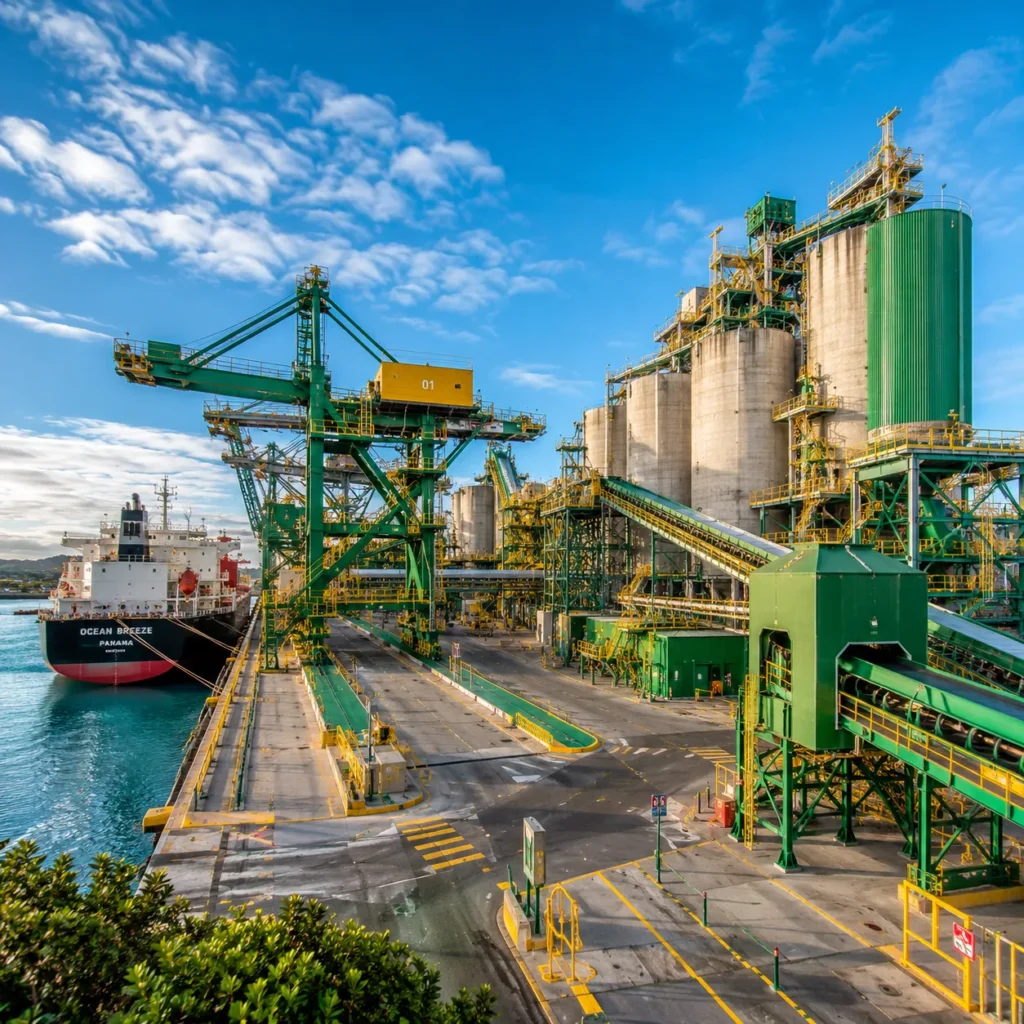
At New Mangalore Port Authority, the operational chain does not end when a vessel is berthed. Cargo must move through handling systems, storage areas, road and rail connections, yards, terminals, and other port facilities. The Authority handles liquid bulk, dry bulk, break-bulk, containerised cargo and cruise traffic, while its facilities include tank farms, container yards, mechanised cargo systems and a Single Point Mooring. This combination makes consistency across the full operating cycle particularly important. AI based SOP analytics and video analytics can help NMPA examine that cycle from planning and execution to review and improvement.
Map The Operational Lifecycle Before Applying AI
A useful AI strategy for NMPA can begin by looking at how a port activity progresses rather than starting with individual technologies.
A typical lifecycle may involve:
- Pre-operation checks
- Vessel and berth preparation
- Cargo handling and equipment deployment
- Road, rail, yard or storage movement
- Safety monitoring
- Completion checks and corrective action
Each stage generates information. SOP analytics can examine whether required steps are completed, while video analytics can provide visibility into selected physical activities. This can reveal where a procedural weakness creates consequences later.
From Procedure Deviation To Root Cause
The important question is not simply whether an SOP was followed. It is why execution differed.
If a deviation repeats, analytics can correlate it with activity, location, equipment, shift, workload or process stage. Management can then decide whether to improve training, instructions, workflow, supervision or the SOP.
This makes SOP analytics a tool for operational learning rather than only compliance measurement.
Video Analytics Across Physical Risk Zones
Video analytics provides a different layer. Existing cameras across gates, roads, yards, cargo areas and controlled spaces can potentially generate event-based alerts.
Potential applications at NMPA could include:
- Detecting entry into restricted or designated safety zones.
- Identifying vehicles or pedestrians in defined high-risk areas.
- Monitoring unusual movement around cargo-handling equipment.
- Supporting surveillance around storage and access-controlled facilities.
- Finding relevant video segments faster during incident investigations.
The objective should be targeted detection, not automated judgment about workers. Responsible personnel should review alerts before action.
Linking Cargo Characteristics To Analytics
NMPA’s varied cargo profile means analytics rules should differ by location.
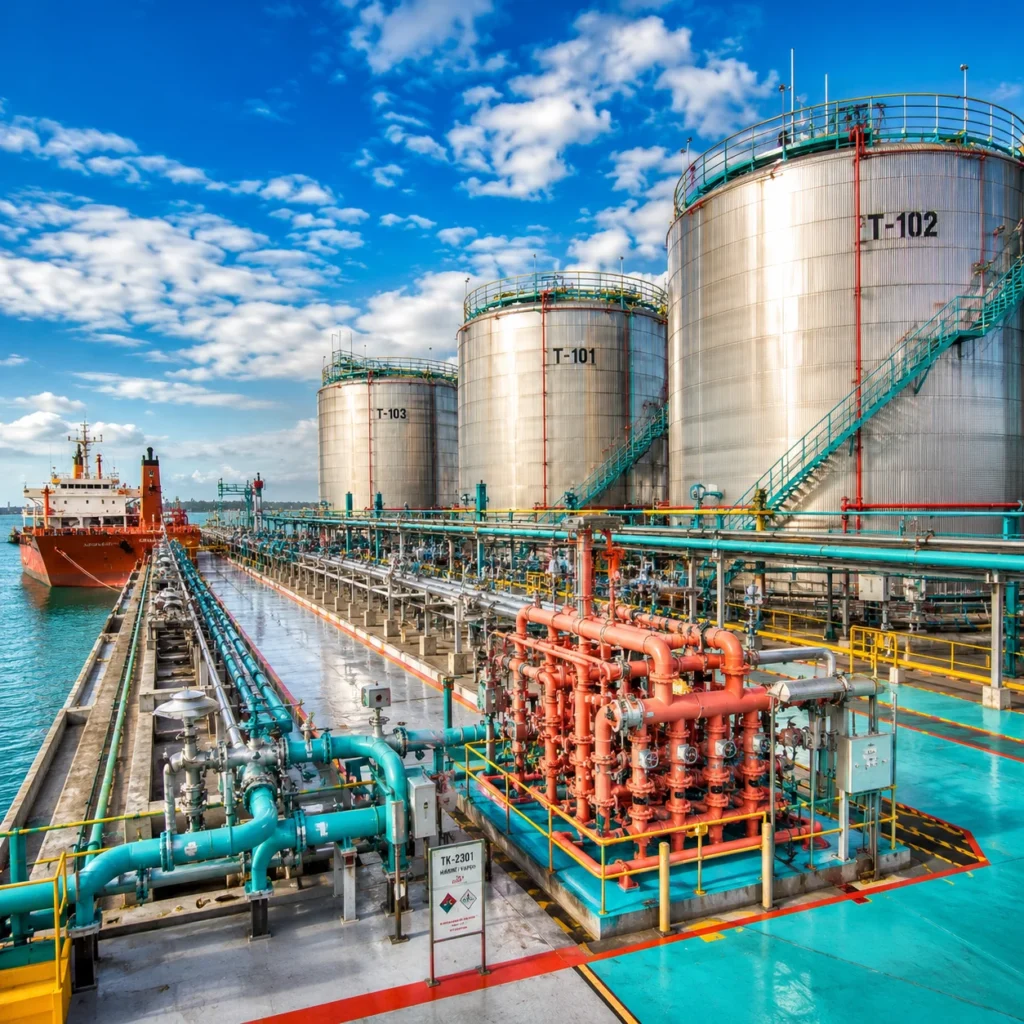
For liquid cargo facilities, video analytics could monitor defined exclusion zones and vehicle or personnel movement. SOP analytics could examine whether required checks and permissions are completed.
For dry bulk and mechanised operations, analytics could focus on equipment interaction, traffic movement, restricted access and process adherence.
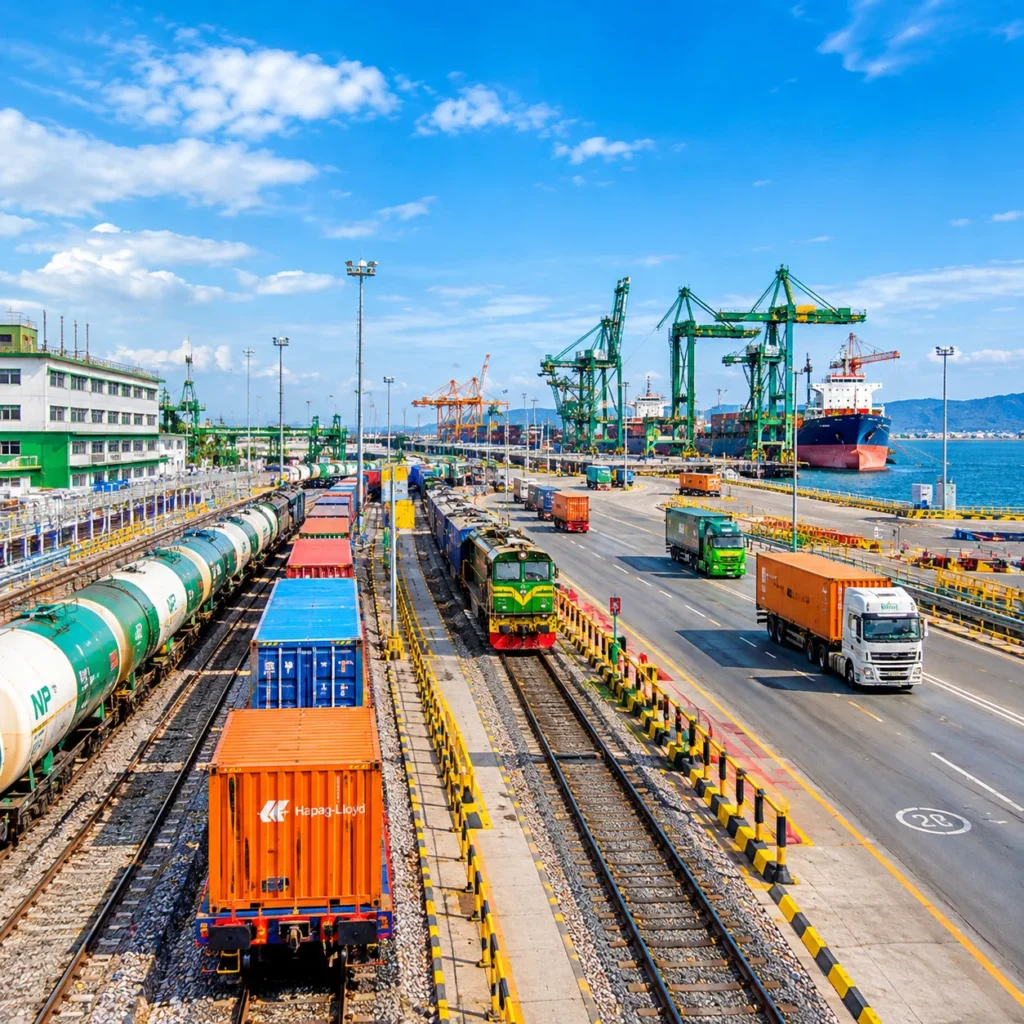
Container operations may require attention to vehicle movement, yard access, equipment zones and people interacting with moving assets.
The value comes from configuring analytics around each operating context rather than treating the port as uniform.
Turning Events Into Continuous Improvement
The two technologies can reinforce each other. Suppose SOP analytics detects repeated deviations during a particular cargo-handling procedure. Management can identify when and where the deviations occur and then examine relevant video events to understand the surrounding operational conditions.
The evidence may show that the issue occurs during congestion, equipment repositioning or shift changes. After an intervention, the same measures can test whether deviations decline.
Where A Pilot Could Begin
NMPA does not need to analyse every activity at once. A pilot could address a recurring SOP deviation, restricted-zone monitoring, incident investigation, or one cargo-handling workflow.
The pilot should define the event, establish a baseline, identify alert recipients, and set accuracy measures. Data access, retention, privacy, cybersecurity, human review and model performance should be addressed before expansion.
Success can be measured through fewer repeated deviations, faster investigations, stronger inspection consistency, improved event response, or fewer operational interruptions
FAQs
It can identify recurring procedural deviations by activity or workflow, allowing controls and improvement efforts to reflect the requirements of different cargo-handling environments.
Yes. Detection rules can be designed around the physical layout, camera coverage and operational risks of particular yards, terminals, access points or cargo areas.
Yes. SOP analytics can identify relevant process records, while video analytics can help locate potentially useful visual events, giving investigators additional context.
It can help identify selected events around equipment zones, traffic routes and restricted areas, while SOP analytics can highlight process steps that are repeatedly delayed or missed.