A major port does not operate through a single workflow. At Syama Prasad Mookerjee Port, operations across the Kolkata Dock System and Haldia Dock Complex involve vessel handling, cargo movement, equipment operation, gates, documentation, safety controls, and coordination between teams. In such an environment, a procedure can exist on paper while execution varies from shift to shift. AI based SOP analytics and video analytics can help close that gap by connecting written procedures with what actually happens on the ground.
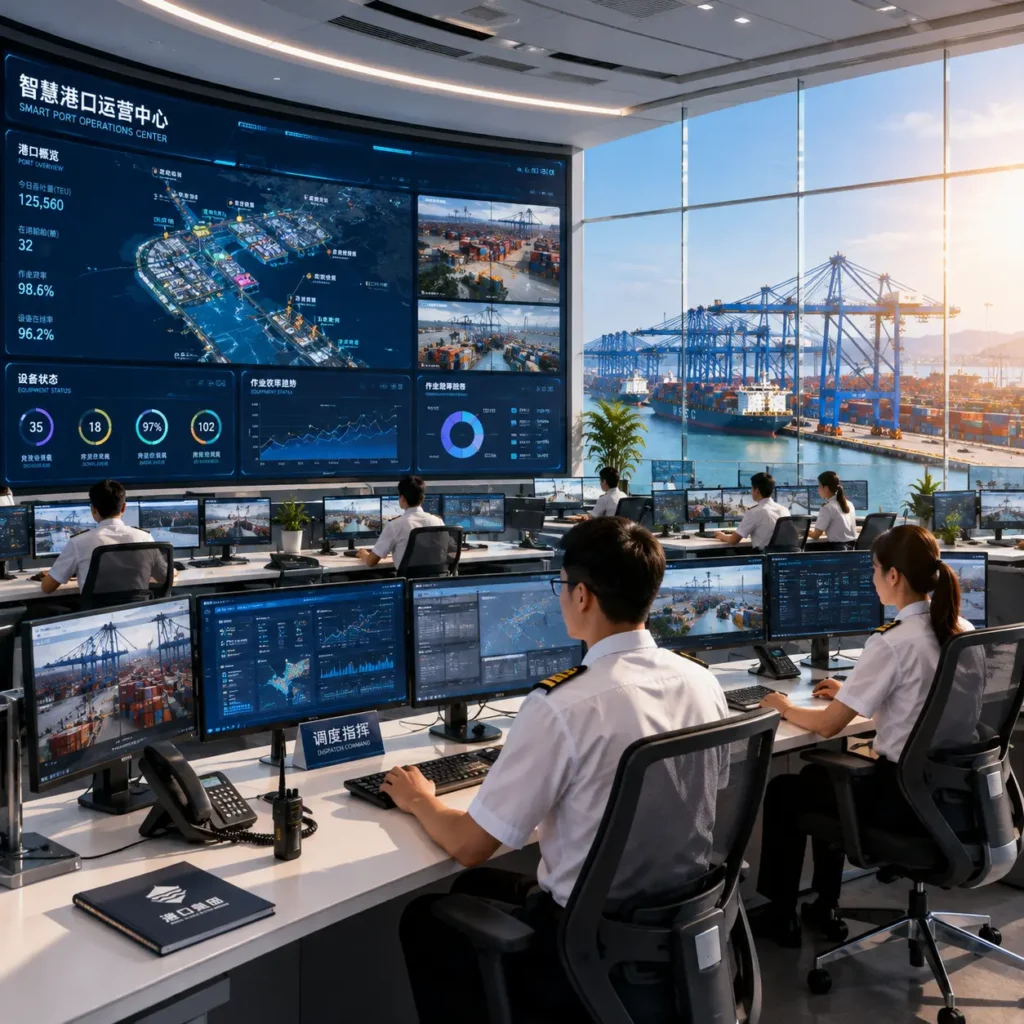
Seeing What Happens During Port Operations
Video analytics adds a different layer. While SOP analytics examines process information, video analytics can interpret activity captured by existing surveillance infrastructure, subject to appropriate privacy, security, and governance controls.
In a port environment, potential applications can include monitoring operational zones for unsafe access, detecting people entering restricted areas, identifying unusual activity around equipment, and supporting situational awareness in busy work areas. It can also help identify whether defined safety practices appear to be followed during selected activities.
The objective is not to replace supervisors. Instead, video analytics can help them focus attention where it is most needed. Automated alerts can bring potentially important events to the right team, while recorded footage can support incident investigation and root-cause analysis.

Turning Port Procedures Into Operational Intelligence
Standard operating procedures are essential for controlling risk and maintaining consistency, but traditional audits often depend on periodic inspections, checklists, and manual reviews. That creates a limited view of operational performance.
AI based SOP analytics can continuously examine operational records, inspection findings, incident data, checklists, and other available process information to identify recurring deviations. For a port environment, this can help answer practical questions:
- Which procedures are frequently missed or completed inconsistently?
- Are certain deviations concentrated around particular activities, locations, equipment, or shifts?
- Which SOP steps are associated with delays, rework, near misses, or repeated corrective actions?
- Where do employees need clearer instructions or additional training?
Instead of treating every deviation as an isolated event, analytics can reveal patterns. This allows port management to focus improvement efforts on processes that create the greatest operational or safety exposure.
From Audit Findings To Preventive Action
The value of SOP analytics is not simply identifying non-compliance, but understanding why it happens. If a particular inspection step is repeatedly delayed, the underlying issue may involve workflow design, unclear responsibility, inadequate resources, or a procedure that does not match actual operating conditions.
For Syama Prasad Mookerjee Port, this creates an opportunity to move from retrospective compliance reviews toward data-supported process improvement. SOP performance can become a management signal rather than a document-control exercise.
Practical Use Cases Across The Port
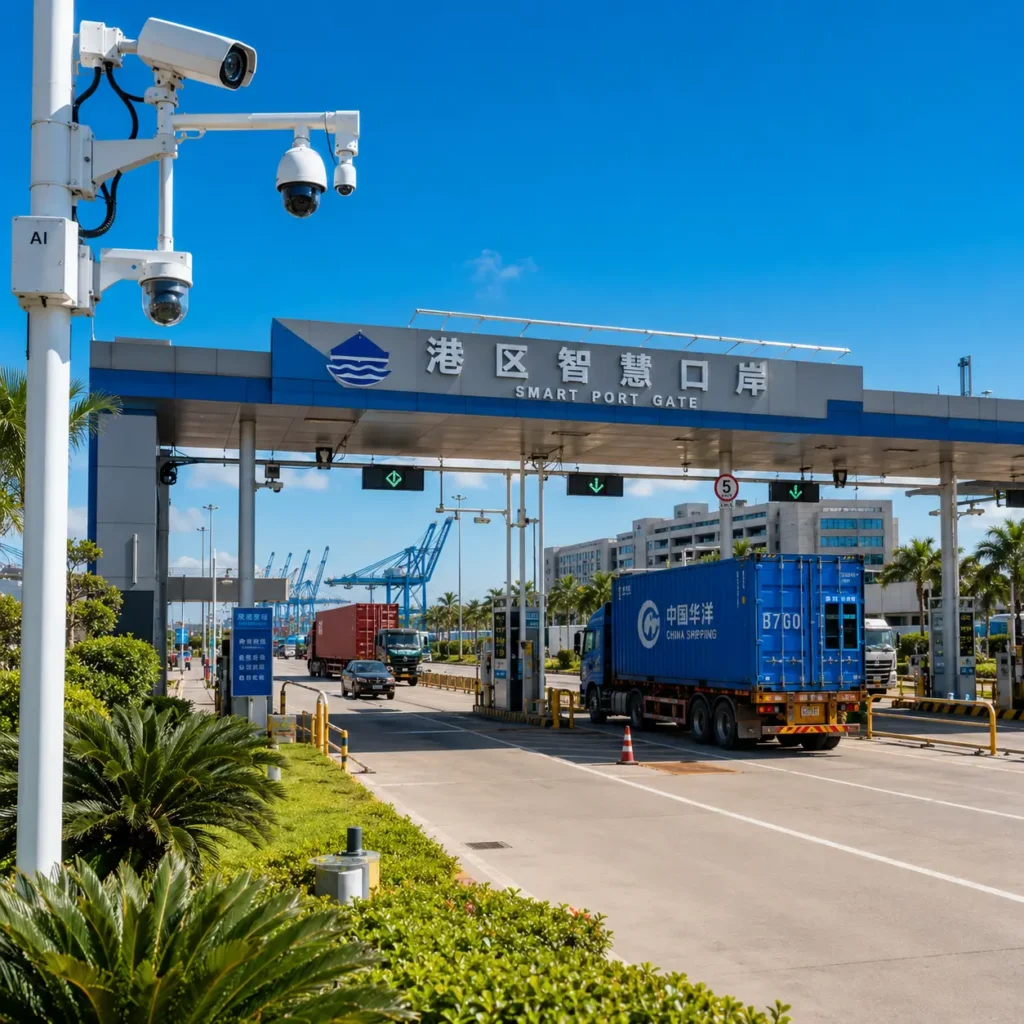
The most useful applications should be tied to actual operational risks rather than deployed simply because cameras are available. Potential examples include:
- Detecting unauthorized entry into controlled operational zones.
- Identifying people or vehicles in areas where their presence may create a safety risk.
- Monitoring congestion or unusual movement around gates, yards, and cargo-handling areas.
- Supporting investigation of incidents involving equipment, vehicles, or personnel.
- Flagging recurring visual conditions that may require corrective action or closer supervision.
Connecting SOP Analytics With Video Intelligence
The stronger opportunity emerges when the two technologies are considered together. Suppose an SOP requires a defined safety sequence before a particular operation begins. SOP analytics may identify repeated deviations from that procedure, while video analytics may help establish whether the deviation is visible in the operational environment and whether it occurs under specific conditions.
This creates a more complete improvement loop:
- Identify a recurring process deviation.
- Determine where and when it occurs.
- Review relevant operational or video evidence.
- Investigate the underlying cause.
- Update training, workflow, supervision, or the SOP where necessary.
- Measure whether the deviation declines after the intervention.
This approach can help port leadership distinguish between isolated human error and systemic process weaknesses.
A Practical Business Case For Implementation
For a large port, AI adoption should begin with clearly defined operational problems. A focused pilot could target one high-value workflow, establish baseline performance, integrate relevant data sources, and define measurable outcomes such as fewer repeated deviations, faster incident reviews, improved inspection compliance, or reduced operational disruption.
Governance is equally important. Access controls, data retention, human review of alerts, model monitoring, and clear accountability should be established before wider deployment. AI should support operational decisions without turning automated outputs into unquestioned conclusions.
FAQs
It can identify recurring SOP deviations, compare patterns across operational activities, and help management prioritize corrective actions, training, and process improvements.
Yes. It can help detect selected safety and security conditions, such as restricted-area access, unusual activity, or potentially hazardous interactions, while keeping human teams responsible for decisions.
Potentially, yes. Video analytics can often be designed around existing camera infrastructure, provided camera positioning, image quality, network capacity, integration, and governance requirements are suitable.
A practical starting point is a defined operational use case with measurable objectives. A pilot can establish performance baselines, validate alerts, assess business value, and identify integration requirements before expansion