Inland water transport combines waterways, terminals, jetties, cargo-handling areas, vessels, vehicles, workers, passengers, and supporting infrastructure. For the Inland Waterways Authority of India (IWAI), maintaining safe and orderly operations across these environments requires visibility that extends beyond periodic inspections.
AI-based SOP analytics and video analytics can provide an additional monitoring layer. Instead of using cameras only for recording, AI can identify predefined safety, access, and operational conditions and bring relevant events to the attention of authorised personnel.
A Location-Based AI Strategy
Different IWAI facilities have different operational risks. A terminal handling passengers requires different analytics from a cargo facility or maintenance site.
Location | Potential AI Application | Primary Objective |
Terminals | Crowd and access monitoring | Passenger safety |
Jetties | Restricted-zone monitoring | Water-edge safety |
Cargo Areas | Worker-equipment detection | Safer handling |
Maintenance Sites | PPE and SOP monitoring | Workplace safety |
Vehicle Areas | Person-vehicle detection | Safer movement |
Facilities | Access and obstruction detection | Security and readiness |
Turning IWAI Procedures Into Visual Checks
Many SOP requirements contain conditions that can be observed through cameras. These provide practical opportunities for AI-based monitoring.
Potential applications include:
- Detecting required visible PPE
- Monitoring restricted work areas
- Identifying personnel near operating equipment
- Monitoring designated pedestrian routes
- Detecting blocked emergency access
- Identifying movement into controlled facilities
- Monitoring vehicle-person interaction
AI should remain focused on observable requirements. It should not be expected to determine whether a complex vessel operation, engineering task, or navigation procedure has been technically performed correctly.
Safer Terminal And Jetty Operations
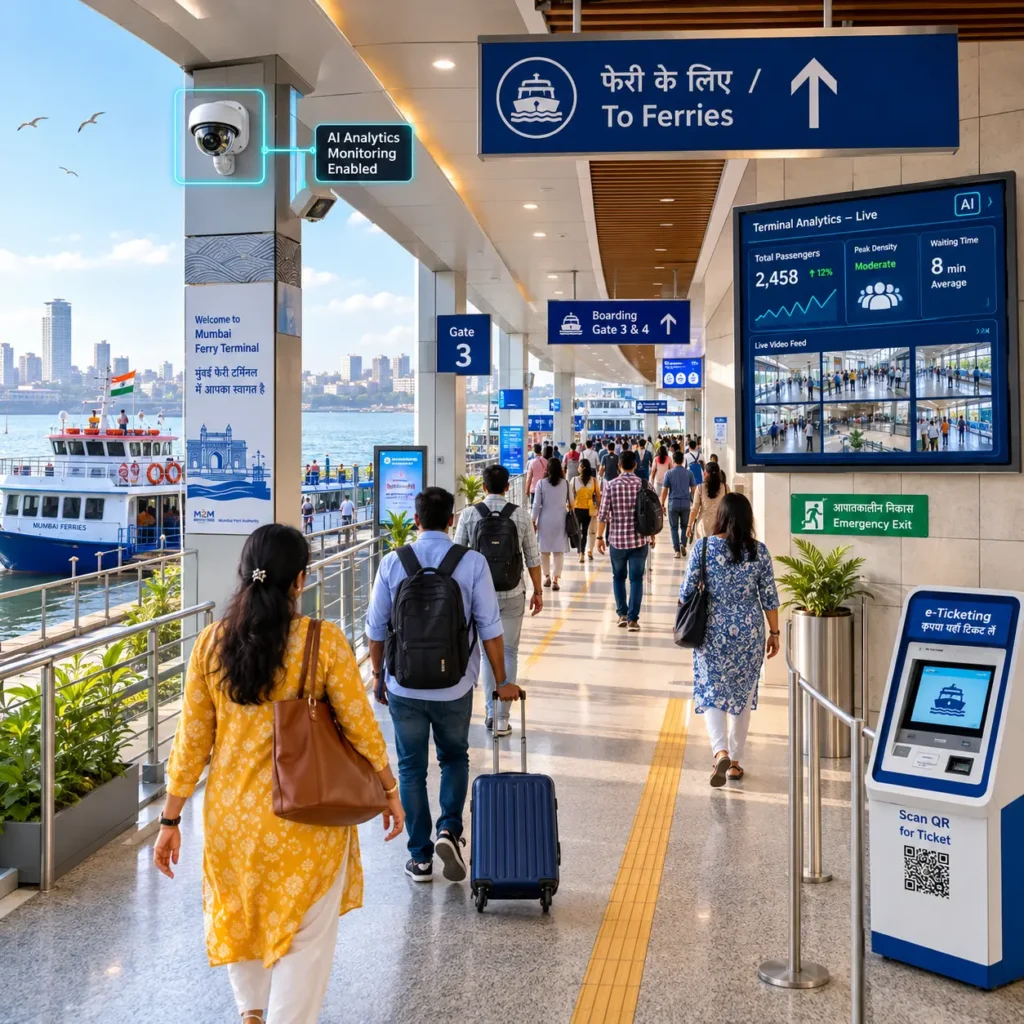
Passenger terminals and jetties create particular safety considerations because people, vessels, cargo, and vehicles may operate within relatively close areas.
Video analytics can monitor predefined boundaries around boarding zones, restricted areas, and operational spaces. It can identify unusual crowd accumulation, people entering controlled zones, unattended objects, or obstructions along designated routes.
This can be useful during busy vessel schedules or periods of increased passenger movement.
Improving Safety Around Cargo Handling
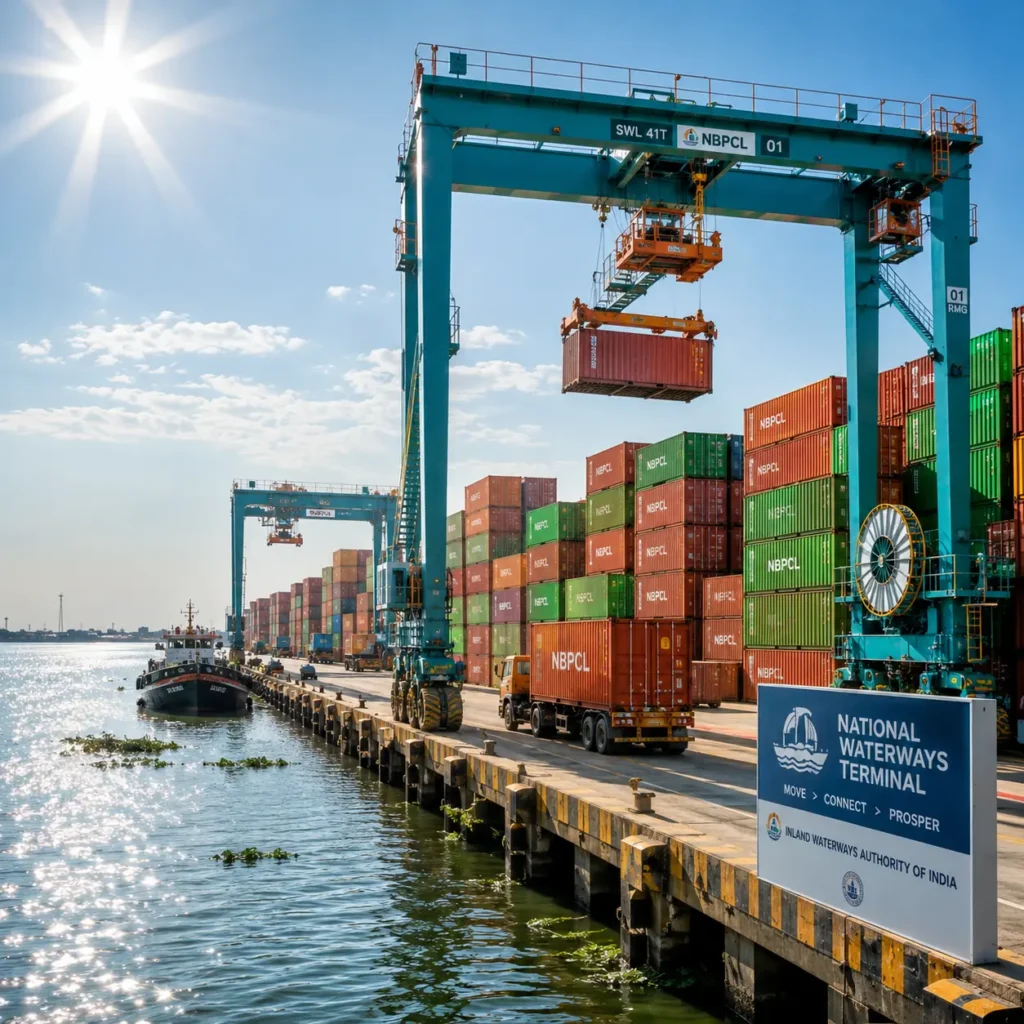
Cargo operations can bring workers into proximity with cranes, forklifts, trucks, containers, vessels, and other equipment.
AI-based video analytics can help identify:
- Personnel entering equipment exclusion zones
- Worker-vehicle proximity
- Unauthorised movement in cargo areas
- Obstructions along vehicle routes
- Selected PPE deviations
Maintenance Areas Can Benefit From SOP Analytics
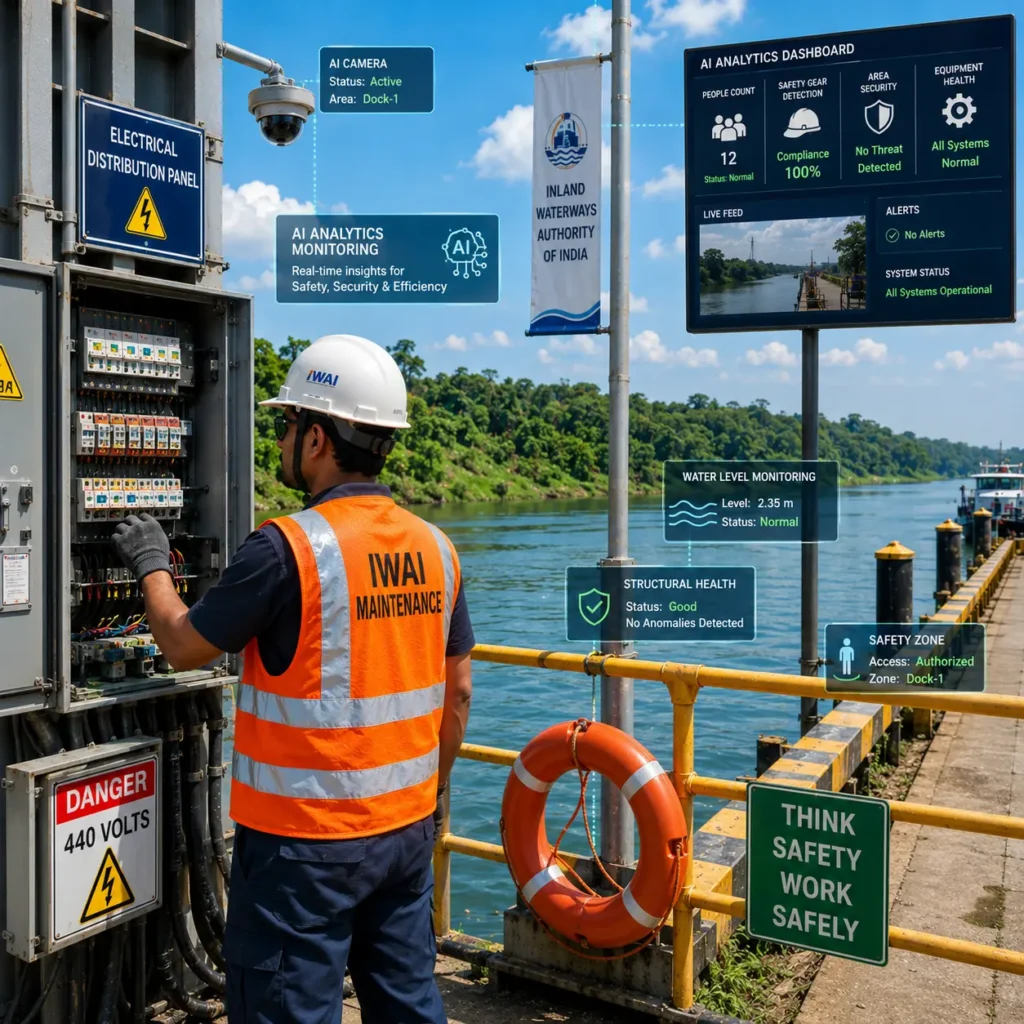
Maintenance activities around terminals, jetties, buildings, lighting systems, electrical equipment, and other infrastructure can involve specific safety procedures.
AI can monitor selected requirements such as PPE, controlled access, equipment zones, and clear working areas.
A maintenance worker entering a restricted zone may generate an alert for verification. If the person is authorised and work is scheduled, the event may be routine. If there is no corresponding activity, the event can receive greater attention.
This demonstrates why AI should be connected with operational context wherever practical.
Context Makes Video Alerts More Useful
A camera can detect movement, but it cannot always determine whether the activity is expected.
IWAI could potentially associate video events with:
- Vessel schedules
- Access permissions
- Maintenance work orders
- Terminal operating status
- Vehicle permissions
- Equipment status
- Operational alerts
For example, a vehicle inside a controlled cargo area may be expected during scheduled loading activity. Context can prevent unnecessary escalation and allow personnel to focus on events that genuinely require investigation.
Supporting Infrastructure Between Inspections
Waterway infrastructure can be distributed across geographically separated locations. AI-enabled cameras can provide additional visibility between scheduled physical inspections.
Potential applications include identifying persistent obstructions, unauthorised access, camera tampering, or selected changes around designated infrastructure areas.
This does not replace inspection teams or engineering assessments. Instead, it can help identify locations that may deserve earlier physical attention.
AI-Assisted Incident Investigation
Video analytics can also help after an incident. When a passenger event, workplace accident, security concern, or equipment-related occurrence takes place, authorised personnel may need to review recordings from multiple cameras.
AI-assisted search can help locate relevant footage based on time, location, movement, or predefined event categories.
This can reduce manual review effort and help establish the sequence surrounding an event. Repeated incidents can then be compared to identify common conditions and evaluate whether corrective measures are effective.
Designing For Waterway Conditions
Outdoor waterway environments can challenge computer vision. Rain, glare, fog, water reflections, low light, camera vibration, dust, and changing vessel positions can affect detection accuracy.
Before deployment, IWAI should assess:
- Camera placement and coverage
- Image quality during different weather conditions
- Night-time performance
- Network reliability
- False-positive rates
- Data retention
- Cybersecurity
- Privacy and access controls
Significant safety decisions should always involve human verification
Measuring The Results
AI analytics should be evaluated through practical outcomes rather than the number of cameras connected.
Useful indicators include:
- Reduction in recurring SOP deviations
- PPE compliance
- Restricted-zone events
- Worker-equipment proximity incidents
- Alert response time
- False-positive rate
- Incident investigation time
- Corrective-action closure
- Reduction in manual CCTV review effort
For IWAI, AI-based SOP analytics and video analytics can strengthen monitoring across terminals, jetties, cargo areas, maintenance locations, and supporting infrastructure. A location-specific and context-aware approach can improve operational visibility while ensuring that navigation, safety, engineering, and emergency decisions remain with qualified personnel.
Frequently Asked Questions
Yes. It can monitor selected requirements involving PPE, restricted areas, access routes, worker-equipment interaction, and designated safety zones
Yes. It can identify predefined movement into restricted zones, crowd accumulation, obstructions, and other conditions requiring human assessment.
Yes. Suitable applications include worker-equipment proximity, vehicle movement, restricted cargo areas, and selected safety requirements.
Potentially. Combining video events with vessel schedules and terminal operating information can provide context and improve alert prioritisation.