The Directorate General of Lighthouses and Lightships (DGLL) manages a specialised network of lighthouses, navigational aids, coastal facilities, and associated infrastructure that supports safe maritime navigation. These installations are often located in remote coastal areas where weather, terrain, access limitations, and equipment reliability can make routine supervision challenging.
AI-based SOP analytics and video analytics can provide DGLL with an additional layer of remote visibility. Instead of relying entirely on periodic physical inspections, selected visual conditions can be monitored continuously and potential deviations can be brought to the attention of maintenance and supervisory teams.
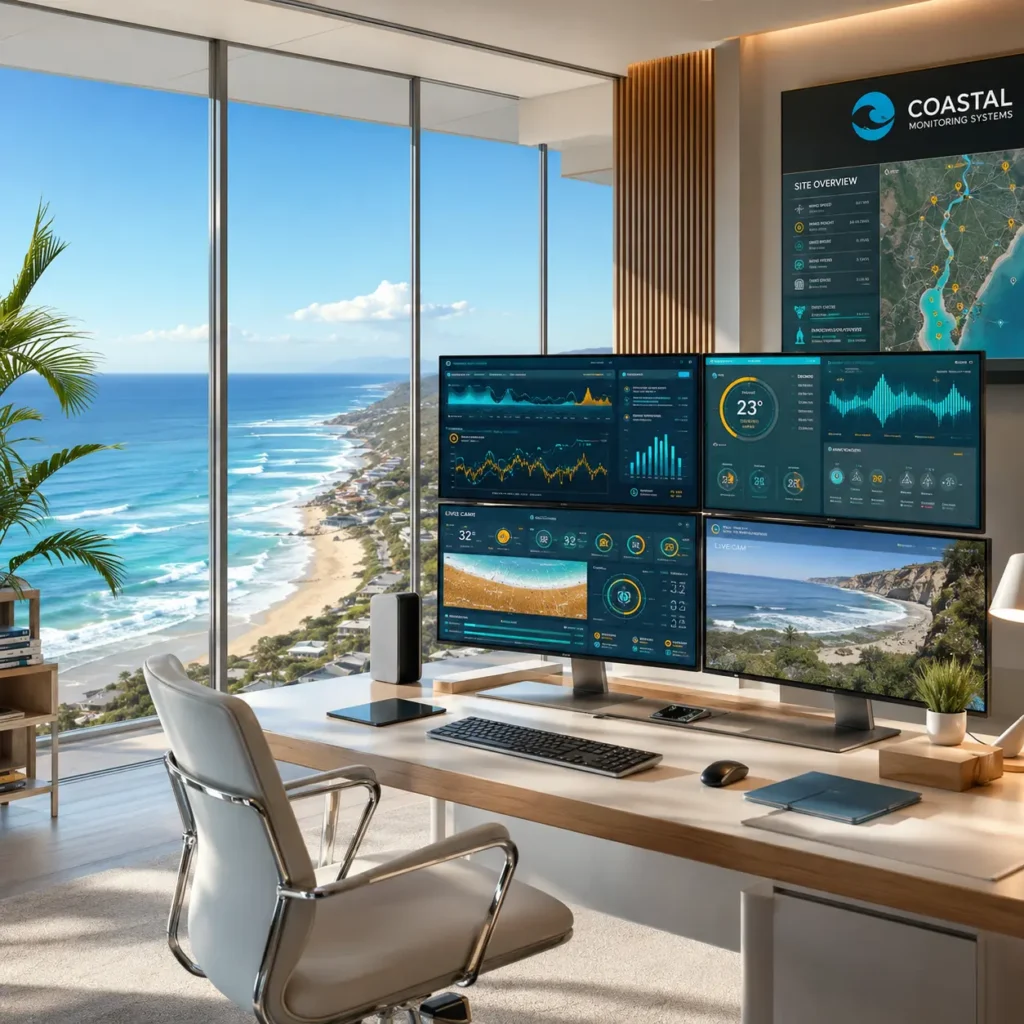
The Real Value Lies In Remote Visibility
Lighthouse facilities differ significantly from conventional offices or industrial sites. Some are isolated, exposed to salt air and severe weather, and may have limited on-site personnel.
This makes continuous visual monitoring particularly useful for selected conditions.
Potential applications include:
- Unauthorised entry into controlled areas
- PPE compliance during maintenance
- Personnel presence in equipment zones
- Obstructions around access routes
- Vehicle movement within facility premises
- Visible damage or unusual conditions around infrastructure
- Camera obstruction or tampering
- Selected housekeeping and maintenance conditions
AI should function as an additional observation mechanism rather than a replacement for physical inspection or specialist engineering assessment.
SOP Analytics For Maintenance Activities
Maintenance procedures can contain requirements that are visually observable and therefore suitable for AI monitoring.
Maintenance Situation | Possible AI Detection | Potential Value |
Equipment work | Personnel entering defined zone | Safety support |
Elevated maintenance | Selected PPE detection | Procedural compliance |
Restricted facility | Unauthorised movement | Access awareness |
Generator area | Personnel presence | Safer maintenance |
Access routes | Obstruction detection | Better readiness |
The analytics should be limited to conditions that cameras can detect reliably. AI should not be expected to determine whether complex electrical, mechanical, optical, or navigational equipment has been technically serviced correctly.
Coastal Conditions Require Different Analytics
Lighthouse installations can face strong sunlight, glare, rain, sea spray, fog, darkness, wind, and other environmental conditions that influence camera performance.
This makes model validation particularly important.
A detection that performs reliably under normal daylight may behave differently during heavy rain or low visibility. Camera placement, protective housings, lighting, image quality, and network connectivity should therefore be considered alongside the AI software.
The Real Value Lies In Remote Visibility
Lighthouse facilities differ significantly from conventional offices or industrial sites. Some are isolated, exposed to salt air and severe weather, and may have limited on-site personnel.
This makes continuous visual monitoring particularly useful for selected conditions.
Potential applications include:
- Unauthorised entry into controlled areas
- PPE compliance during maintenance
- Personnel presence in equipment zones
- Obstructions around access routes
- Vehicle movement within facility premises
- Visible damage or unusual conditions around infrastructure
- Camera obstruction or tampering
- Selected housekeeping and maintenance conditions
AI should function as an additional observation mechanism rather than a replacement for physical inspection or specialist engineering assessment.
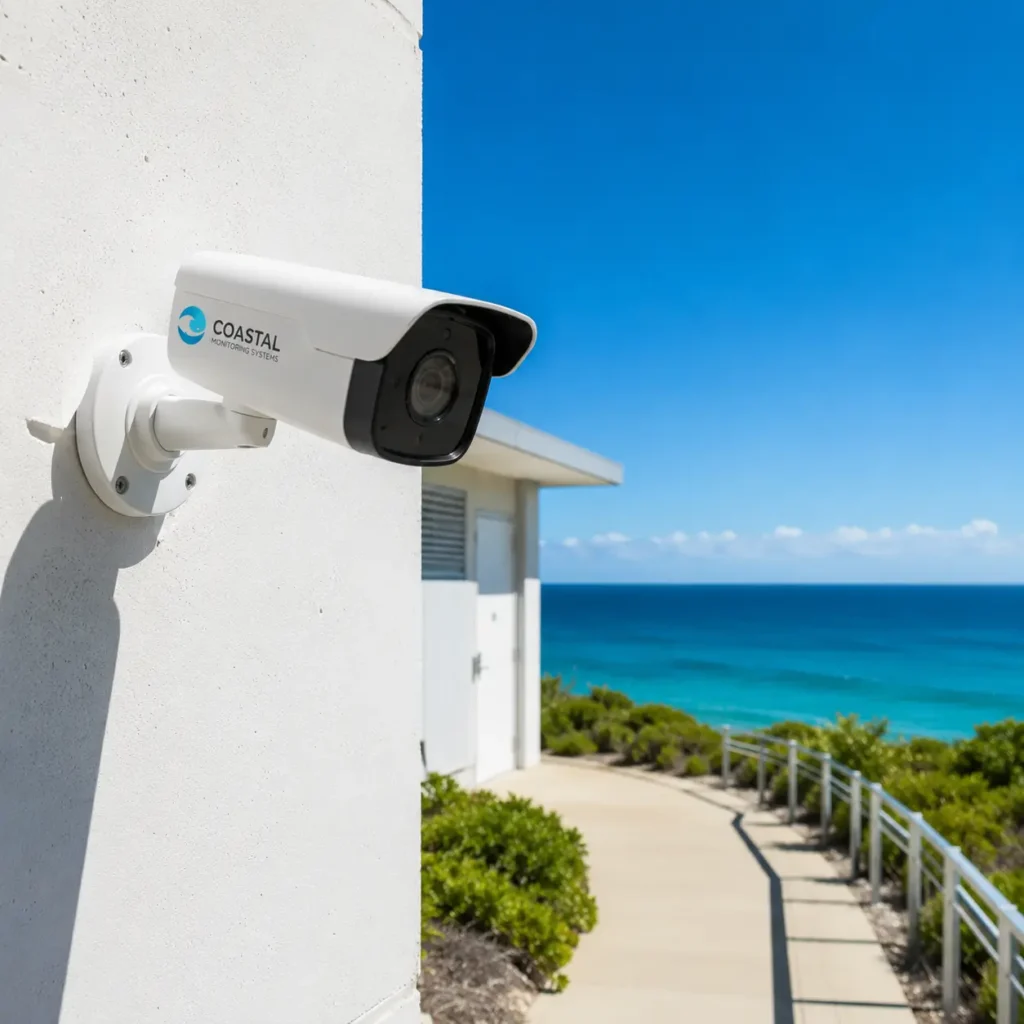
Remote Monitoring Can Support Maintenance Planning
One of the more useful applications is identifying visible changes between scheduled inspections.
For example, video analytics can monitor selected areas for persistent obstructions, unusual access, or changes around designated infrastructure. When a potentially relevant condition is detected, maintenance personnel can decide whether a physical inspection is necessary.
This can help prioritise limited field resources.
The objective is not to replace inspection schedules. Rather, remote analytics can provide another source of information for deciding where attention may be required first.
Connecting Visual Events With Maintenance Information
Video analytics becomes more useful when combined with operational context.
DGLL could potentially associate events with:
- Maintenance schedules
- Work authorisations
- Personnel access
- Equipment status
- Inspection records
- Facility alarms
- Weather information
Suppose a person is detected inside a restricted equipment area. If a scheduled maintenance activity is underway, the event may be expected. If there is no corresponding activity, it can be prioritised for review.
Using AI For Incident And Inspection Reviews
Video footage can also support investigations after an equipment, safety, access, or facility incident.
Instead of manually reviewing long recordings, authorised personnel can use AI-assisted search to locate footage according to time, location, movement, or predefined event characteristics.
This can help establish what happened before an incident and whether similar conditions had appeared earlier.
A Secure Framework For Maritime Infrastructure
Lighthouse facilities support important maritime functions, so video analytics should be implemented with appropriate cybersecurity and access controls.
Key considerations include:
- Role-based video access
- Secure communications
- Data-retention policies
- Audit trails
- Cybersecurity testing
- Camera health monitoring
- Protection against unauthorised access
- Controlled integration with maintenance systems
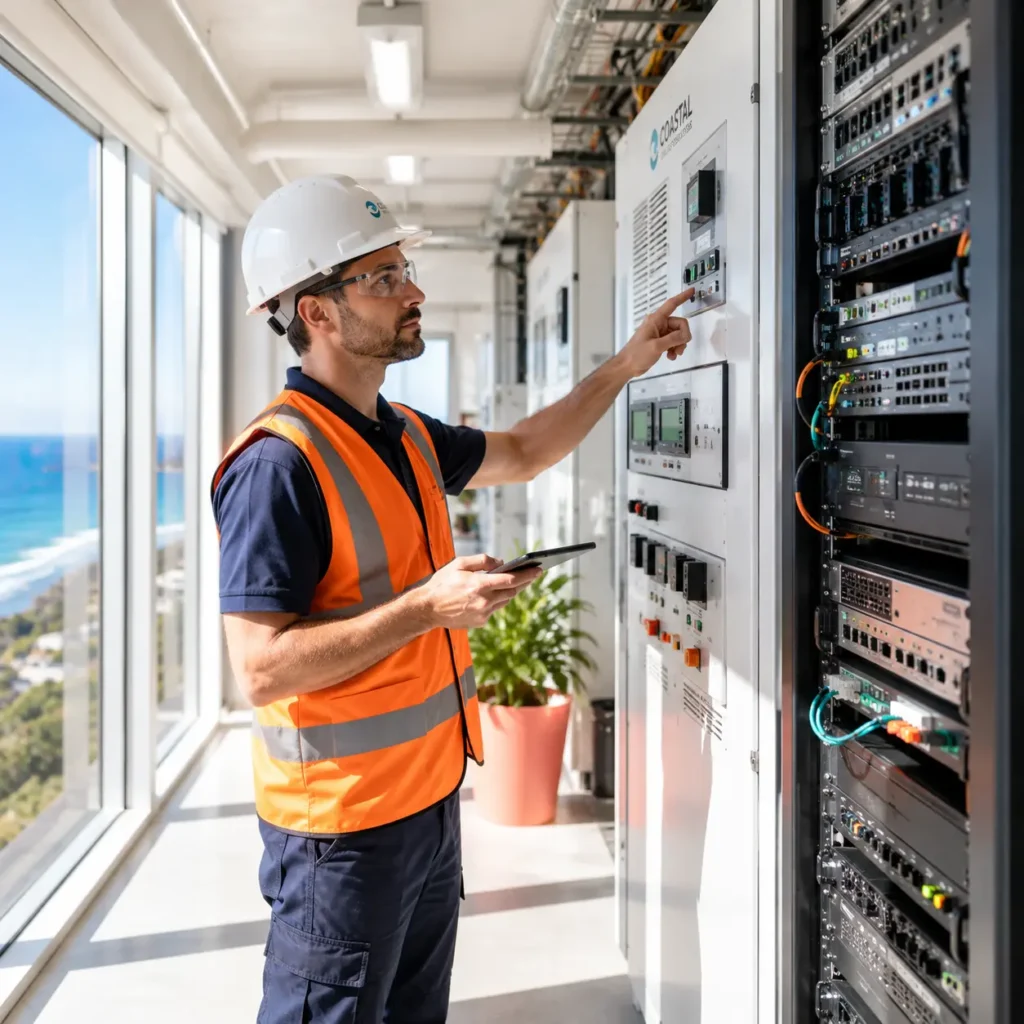
How DGLL Can Measure Results
The effectiveness of AI analytics can be assessed through practical indicators such as:
- Recurring SOP deviations
- PPE compliance
- Restricted-area events
- Maintenance-related alerts
- Camera downtime or obstruction
- Alert response time
- False-positive rate
- Inspection investigation time
- Corrective-action closure
Frequently Asked Questions
Yes. Where suitable cameras, power, connectivity, and environmental protection are available, AI can monitor selected access, safety, and facility conditions remotely.
Yes. It can identify selected visible conditions such as PPE deviations, restricted-area entry, equipment-zone access, and pathway obstructions.
It can. Fog, rain, glare, sea spray, darkness, and poor visibility can affect detection performance, so systems should be tested under actual coastal conditions.
Potentially. Linking visual events with authorised maintenance activities can provide context and help distinguish expected work from unusual conditions
No. AI can support remote monitoring and help prioritise attention, but physical inspections and qualified engineering assessments remain essential for evaluating infrastructure and navigation equipment.