AI video analytics for DRDO helps improve SOP compliance, safety monitoring, and security across defence research and development facilities. Its network of laboratories and facilities covers areas such as aerospace, missiles, electronics, materials, surveillance, robotics, high-energy systems, and specialised testing.
AI-based SOP analytics and video analytics can support this environment by monitoring selected procedures and visual conditions without requiring personnel to manually observe every activity. DRDO already has established capabilities in AI, image processing, video analytics, surveillance, tracking, and computer vision, making this a natural area for further application.
SOP Analytics For High-Risk Activities
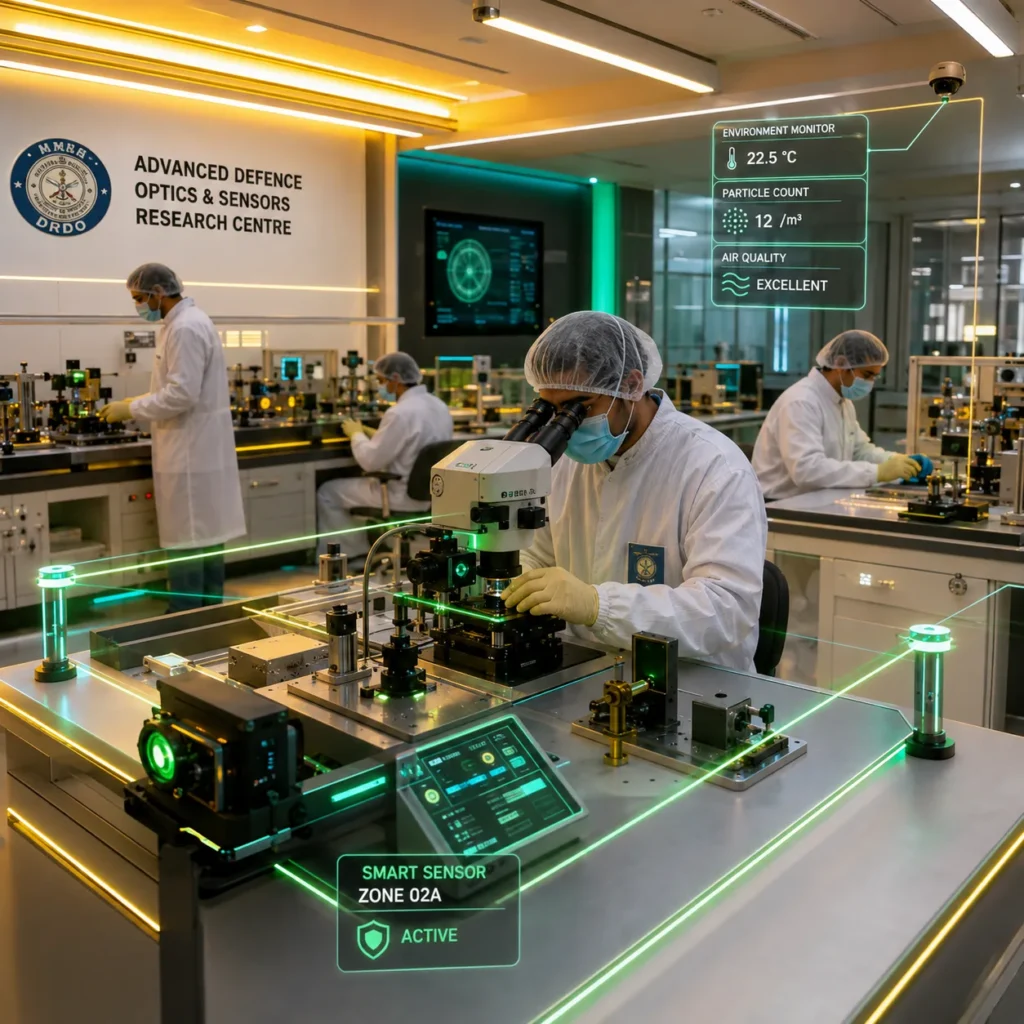
SOP analytics becomes valuable when a procedure contains conditions that can be observed through cameras or connected sensors.
Consider a controlled test where personnel must remain outside a defined boundary. Video analytics can monitor the boundary and identify unexpected entry. If access-control information is available, the system can also distinguish authorised personnel from unauthorised movement.
Other potential applications include:
Activity | Possible Analytics | Intended Benefit |
Laboratory Work | PPE and access monitoring | Support personnel safety |
Equipment Testing | Zone-entry detection | Reduce exposure |
Workshop Operations | Worker-equipment interaction | Identify unsafe conditions |
Material Handling | Movement and positioning | Improve handling safety |
Facility Security | Person and vehicle monitoring | Strengthen access control |
Test Areas | Boundary monitoring | Support controlled operations |
A Different Kind Of Monitoring Requirement
A defence research facility cannot be monitored in the same way as a conventional commercial workplace. Some areas may be open to routine activity, while others require controlled access and heightened security. Similarly, a test environment may change rapidly depending on the experiment being conducted.
This means an AI monitoring system should understand context
Where Video Analytics Can Support DRDO
DRDO’s official technology portfolio includes AI-based image and video analytics for intelligence, AI-based target identification, surveillance and tracking, and AI-enabled command-and-control applications. These capabilities demonstrate the organisation’s established interest in applying AI to visual and sensor-based information.
Within laboratories and facilities, similar principles can support operational monitoring.
Potential applications include:
- Detecting unauthorised entry into controlled areas
- Monitoring PPE requirements in laboratories and workshops
- Identifying people within defined test or equipment zones
- Monitoring vehicle movement around restricted facilities
- Detecting unusual gatherings or movement
- Identifying blocked access routes
- Detecting camera obstruction or tampering
- Supporting event-based retrieval of recorded footage
Using AI Around Testing And Evaluation
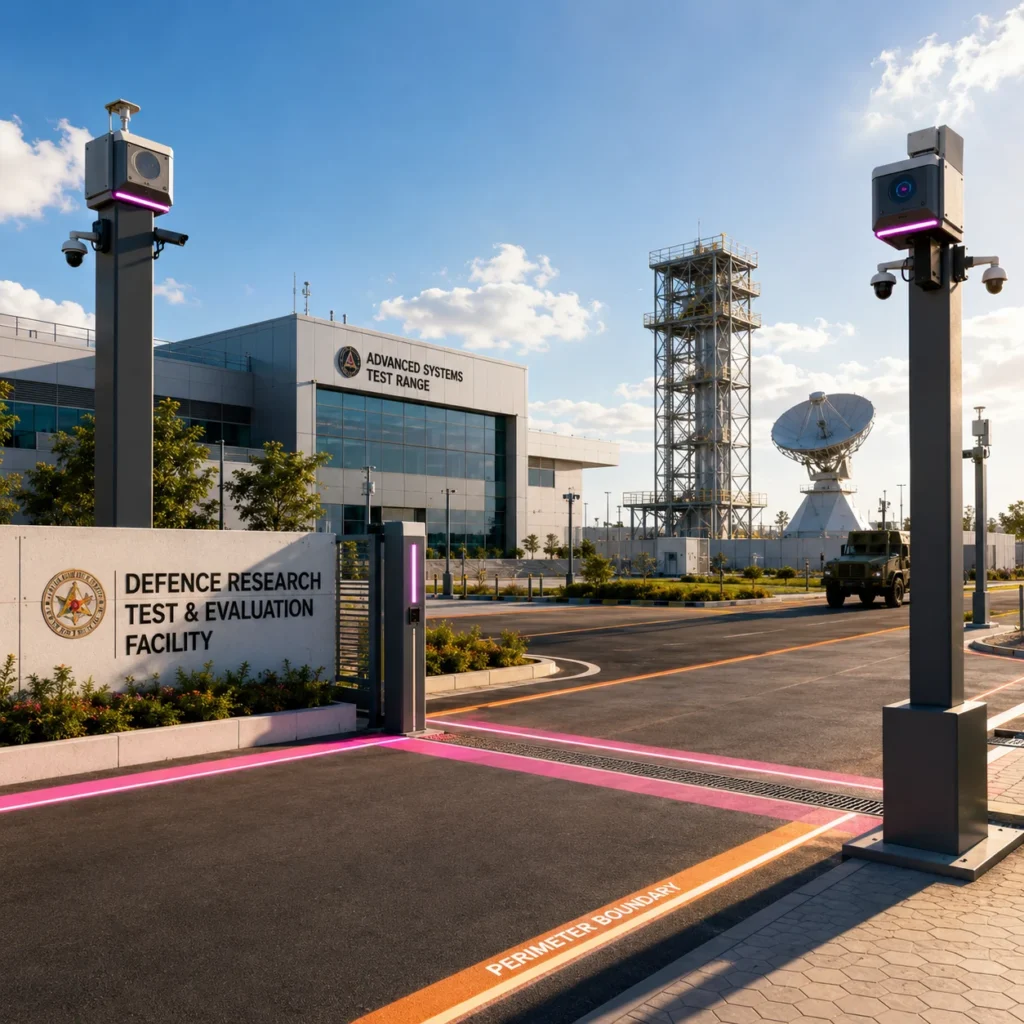
Testing environments present some of the strongest opportunities for video analytics because activities often occur within predefined zones.
Before a test begins, cameras can monitor whether the designated area is clear. During the activity, analytics can identify unexpected personnel or vehicle movement. Afterward, recorded events can support investigation and review.
The system can also provide useful information when combined with test schedules and equipment status.
Combining Video With Other Sources
Video alone cannot provide complete operational context. DRDO can potentially achieve better results by combining visual analytics with access-control information, equipment status, sensors, test schedules, alarms, and facility-management systems.
This can help distinguish routine activity from genuine exceptions.
For instance, an AI system may identify a person approaching a restricted equipment area. Access information can establish whether the person is authorised, while equipment data can indicate whether the machinery is operating.
This approach also provides an opportunity to prioritise alerts instead of sending every detection to personnel with the same urgency.
Protecting Sensitive AI Data
Security requirements are especially important when AI systems operate within defence research facilities. Video footage may itself reveal information about laboratories, equipment, facility layouts, personnel, or ongoing activities.
Any implementation should therefore consider:
- Segmented and secure networks
- Role-based access
- Encryption and authentication
- Controlled data retention
- Audit trails
- Secure integration with other systems
- Protection of sensitive footage
- Regular cybersecurity assessment
Where appropriate, processing can be performed within controlled infrastructure to reduce unnecessary exposure of sensitive information.
Turning Monitoring Data Into Better Procedures
SOP analytics can also reveal recurring problems that may not be obvious through occasional inspections.
If the same access violation occurs repeatedly at one location, the underlying issue may be unclear boundaries, inadequate signage, workflow design, or an access-control problem.
Similarly, recurring PPE detections can indicate the need to review training, equipment availability, or supervisory practices.
The objective is therefore not simply to identify non-compliance. It is to provide evidence that helps DRDO improve the conditions in which procedures are followed.
Frequently Asked Questions
Yes. It can monitor selected requirements such as PPE, restricted access, equipment-zone entry, and other procedural conditions that can be reliably observed.
It can monitor defined test boundaries, identify unexpected personnel or vehicle presence, and support review of events before, during, and after controlled activities.
Yes. Combining visual detection with authorisation information can provide better context and help distinguish legitimate activity from potential security exceptions.
It can be, provided the system is designed with appropriate cybersecurity, access controls, data governance, secure infrastructure, and protection of sensitive visual information.