AI video analytics for Mazagon Dock can support safety monitoring, SOP compliance, and security across shipbuilding and defence manufacturing facilities. AI-powered video analytics helps identify safety violations, monitor restricted areas, and improve operational visibility using CCTV infrastructure.. Maintaining consistent compliance across these operations requires more than periodic inspections. AI-based SOP analytics and video analytics can help MDL continuously monitor selected workplace conditions and identify deviations that require timely intervention.
MDL already has an established Health, Safety, and Environmental Management System covering its divisions and departments, supported by ISO 45001:2018 certification and structured Hazard Identification and Risk Assessment (HIRA) processes. The company is also investing in AI-driven weld inspection, robotic systems, and other technology initiatives as part of its shipbuilding transformation. This provides a useful foundation for extending AI into safety and SOP monitoring.
SOP Analytics As A Digital Safety Layer
Standard Operating Procedures establish the expected method for performing a task. AI-based SOP analytics can convert selected, observable requirements into digital rules.
SOP Requirement | What AI Can Monitor | Potential Action |
PPE compliance | Required protective equipment | Supervisor alert |
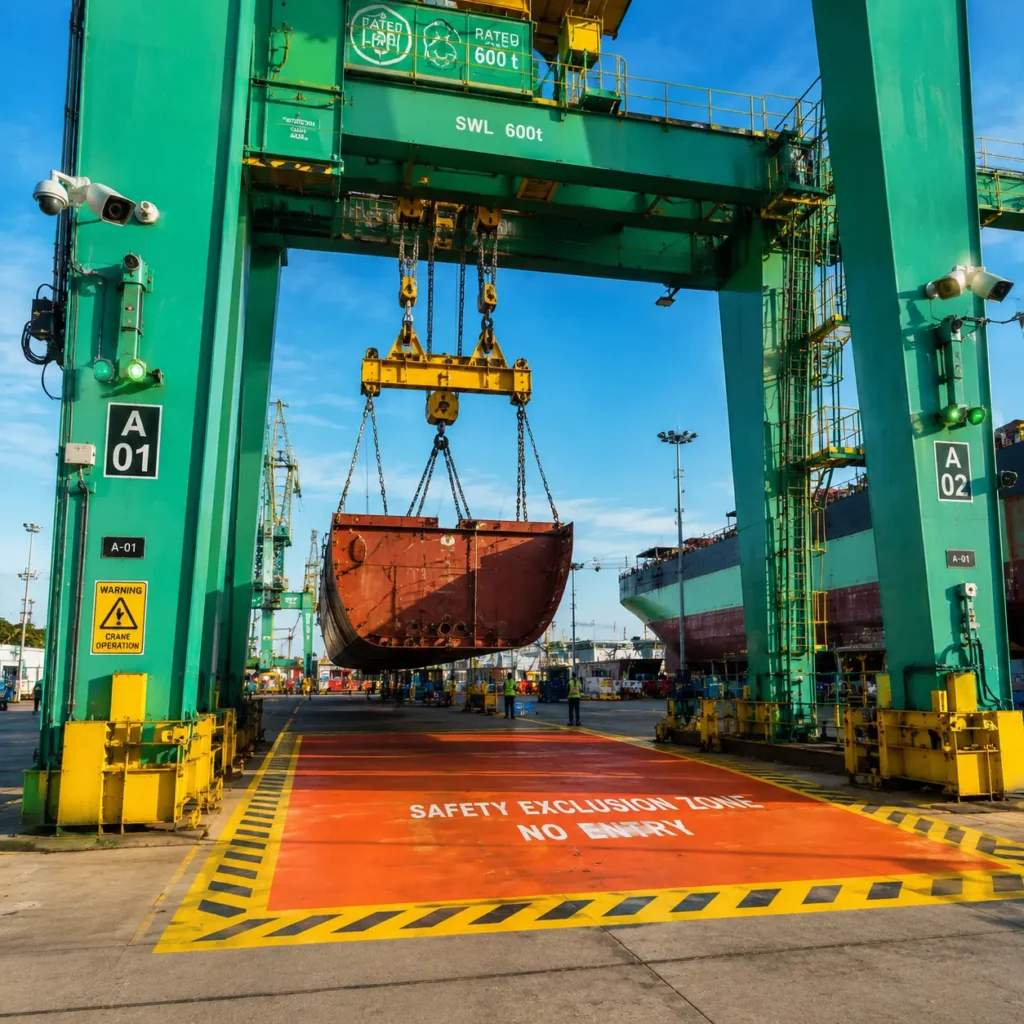
Lifting safety | Personnel inside exclusion zones | Immediate intervention |
Restricted access | Unauthorised entry | Security notification |
Vehicle movement | Pedestrian-vehicle proximity | Safety warning |
Work-at-height | Selected visible safety conditions | Review or alert |
Material handling | People or objects in defined areas | Operational response |
Connecting AI With The Digital Shipyard
MDL’s current innovation programme includes AI-driven weld inspection, robotic systems, and digital initiatives such as digital-twin synchronisation and AI-enabled drawing verification. These developments point toward a broader digital manufacturing environment.
SOP and video analytics can become another layer within that environment.
A connected architecture could bring together:
- CCTV and IP cameras
- Access-control systems
- Crane and equipment status
- Maintenance records
- Safety-management applications
- Production information
- Material movement data
Control-room dashboards
Video Analytics For Shipbuilding Operations
Video analytics can make surveillance systems more useful by interpreting live footage instead of relying entirely on manual observation.
Cranes And Heavy Lifting
Shipbuilding involves movement of large components using cranes and other lifting systems. AI can monitor predefined exclusion zones and alert operators when personnel or vehicles enter areas that should remain clear.
Fabrication And Welding
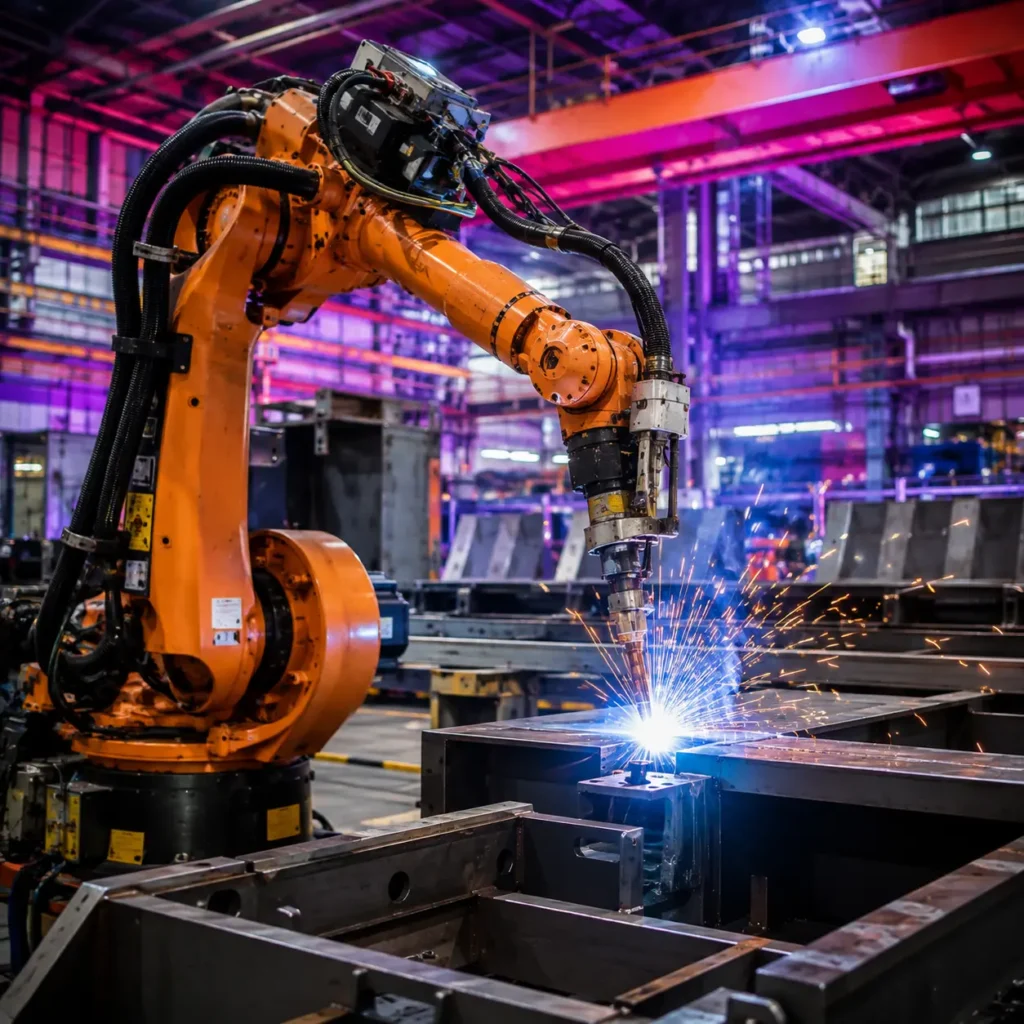
Computer vision can support PPE monitoring, restricted-area detection, and selected worker-equipment interactions. It can also help identify situations that require inspection without attempting to make automated safety decisions beyond the model’s validated capabilities.
Assembly And Dockside Activities
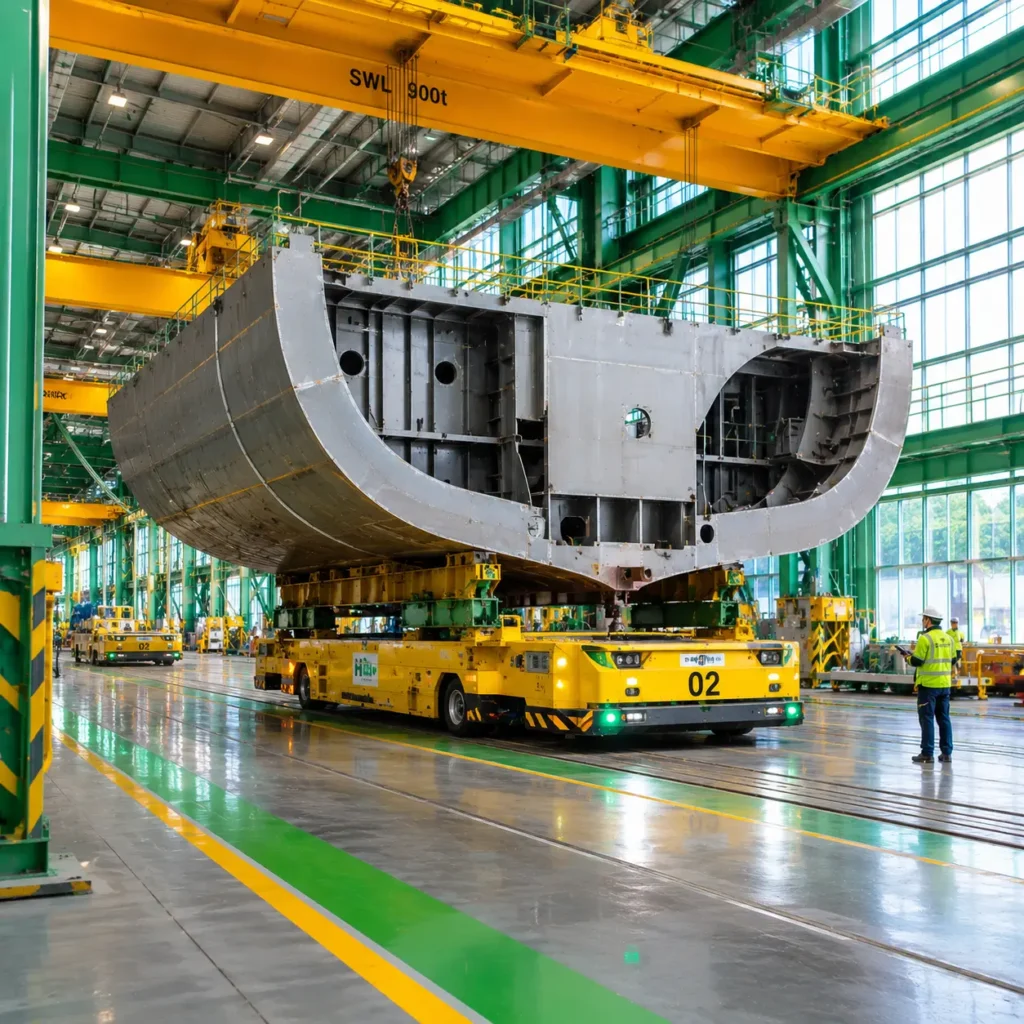
As ship sections, equipment, and components move through different stages of construction, work zones can change. Video analytics can support monitoring of temporary access restrictions, material movement, and selected safety conditions.
Security-Sensitive Areas
MDL’s operations involve defence-related shipbuilding and submarine construction. Video analytics can therefore support physical security alongside workplace safety, including restricted access, perimeter activity, vehicle movement, and camera-tampering detection
Using AI To Reduce Repetitive Manual Monitoring
Large shipyards generate substantial amounts of visual information. Asking personnel to continuously watch multiple camera feeds can reduce the effectiveness of surveillance over long periods.
This can help safety and security teams spend more time on:
- Investigating important alerts
- Conducting site inspections
- Correcting recurring hazards
- Reviewing SOP effectiveness
- Supporting workers and supervisors
Protecting Sensitive Information
Because MDL handles defence-related projects and sensitive shipbuilding information, security should be considered an essential part of AI video analytics.
The implementation should address:
- Role-based access to video
- Secure network architecture
- Data retention and deletion
- Audit trails
- Cybersecurity controls
- Protection of sensitive footage
- Controlled integration with external systems
- Human review of high-impact alerts
A Practical Implementation Roadmap
MDL can begin with a limited number of high-risk applications and expand after proving their value.
Select Critical SOPs
Identify procedures where visual compliance can be clearly defined and reliably detected.
Map High-Risk Locations
Prioritise crane routes, fabrication areas, restricted zones, material-handling locations, and other areas with significant exposure.
Validate Under Real Conditions
Test AI models against welding glare, changing illumination, large structures, equipment obstruction, dust, and constantly changing shipyard layouts.
Define Human Response
Every alert category should have an owner, response time, escalation route, and corrective-action process.
Scale Proven Use Cases
Expand applications only after evaluating detection accuracy, false alerts, response time, and measurable safety outcomes.
Measuring The Impact
MDL can track practical indicators to determine whether AI analytics is delivering value.
Potential KPIs include:
- Reduction in repeated SOP deviations
- PPE compliance
- Crane-zone violations
- Restricted-area events
- Worker-equipment proximity incidents
- Safety-alert response time
- False-positive rate
- Incident investigation time
- Corrective-action closure time
Frequently Asked Questions
It is an AI-enabled approach that analyses selected workplace activities and compares observable conditions with defined safety or operating procedures to identify potential deviations.
It can monitor selected areas for PPE issues, restricted access, unsafe proximity to cranes or vehicles, obstructions, and other predefined safety conditions.
Yes. Computer vision can monitor defined exclusion zones and identify people or vehicles entering them. Connecting the system with crane-status information can provide additional operational context.
Yes. Potential applications include restricted-area monitoring, perimeter surveillance, vehicle tracking, unusual movement detection, and camera-tampering alerts, subject to MDL's security requirements.