Why Customer Experience Consistency Matters In Retail
Customers expect the same level of service every time they visit a store, regardless of location, time of day, or staff on duty. For retailers operating multiple stores, maintaining a consistent customer experience is one of the most important drivers of brand reputation, customer loyalty, and operational performance.
However, delivering a standardized experience across dozens, hundreds, or even thousands of locations is challenging. Differences in staffing, store execution, merchandising practices, and operational discipline can create inconsistencies that directly affect customer satisfaction.
As retail networks continue to expand, many retailers are turning to AI-powered operational intelligence to improve visibility and maintain consistent execution across every store.
The Challenge Of Maintaining Consistent Store Standards
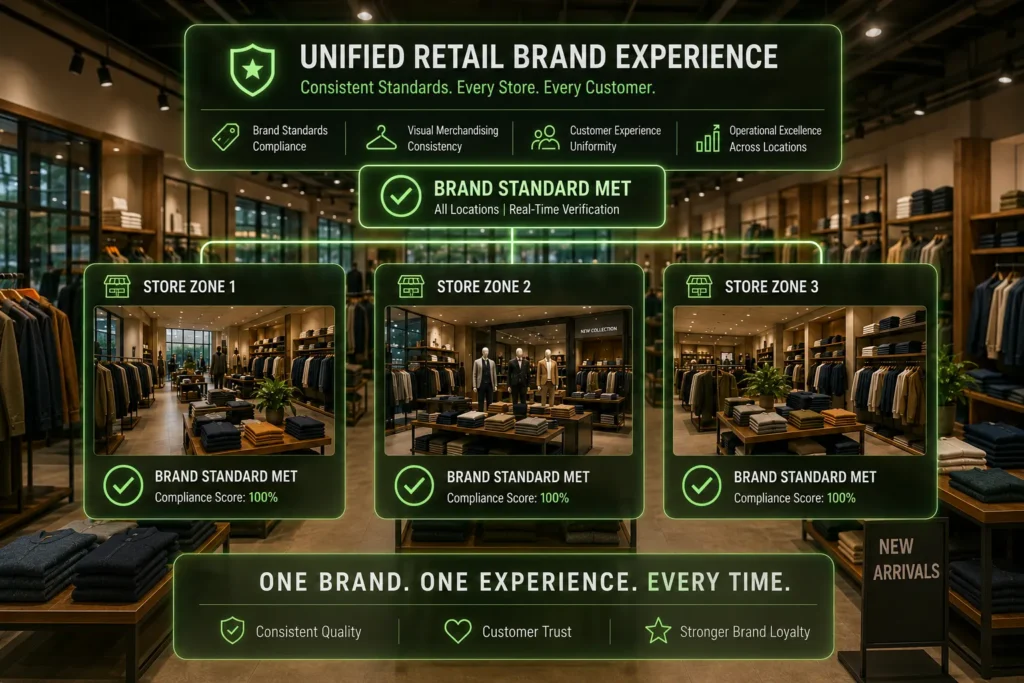
Most retailers establish detailed operating procedures designed to create a predictable shopping experience.
These standards often include:
- Store opening procedures
- Shelf replenishment requirements
- Planogram compliance
- Queue management processes
- Customer service guidelines
- Store cleanliness standards
- Promotional execution
- Safety and housekeeping practices
While these standards are clearly documented, ensuring consistent execution across every location remains difficult.
Why Traditional Retail Audits Have Limitations
Many retailers rely on:
- Store inspections
- Regional manager visits
- Compliance audits
- Mystery shopping programs
- Performance reviews
Although these methods provide valuable insights, they typically occur periodically rather than continuously.
Common challenges include:
- Limited visibility between visits
- Variations across shifts
- Delayed identification of issues
- Inconsistent reporting
- Difficulty scaling oversight across multiple locations
As a result, customer experience gaps may persist long before they are discovered.
How AI Helps Standardize Customer Experience
AI-powered video analytics provides retailers with continuous visibility into operational execution and customer-facing activities.
Rather than relying solely on periodic audits, retailers can monitor key operational standards across locations in near real time.
Queue Management Optimization
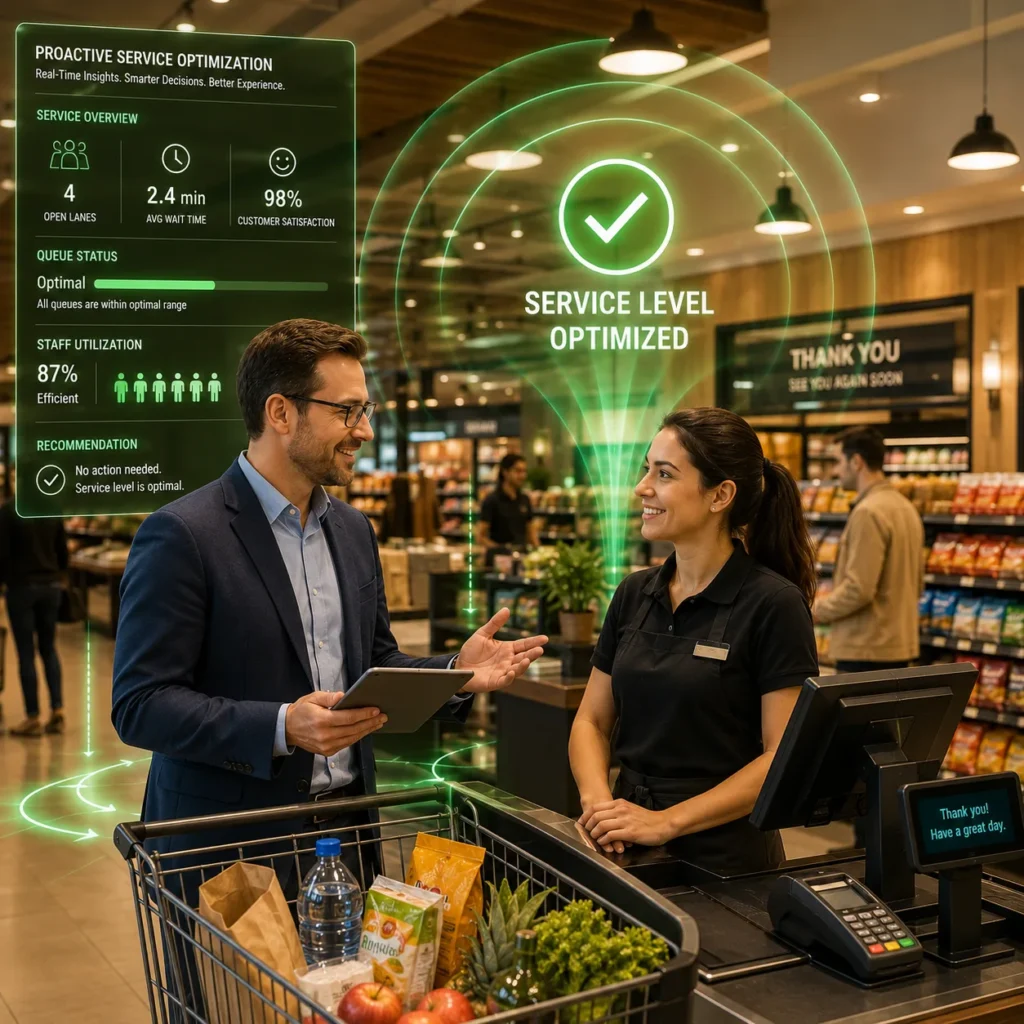
AI can identify checkout congestion and help ensure that service levels remain consistent throughout the day.
Store Execution Monitoring
Retailers can verify that operational procedures are being followed consistently across locations.
Planogram Compliance Verification
AI helps monitor whether product displays and merchandising layouts align with established standards.
Shelf Availability Monitoring
Maintaining product availability improves customer satisfaction and reduces missed sales opportunities.
Customer Flow Analysis
Retailers gain insights into how shoppers move through stores and interact with different areas.
Housekeeping And Store Readiness
AI can help identify operational conditions that affect the shopping experience, including cluttered aisles and incomplete store preparation.
Compare Traditional Store Audits With AI-Powered Retail Monitoring
Traditional Audits | AI-Powered Monitoring |
Periodic inspections | Continuous visibility |
Manual observations | Automated operational insights |
Store-by-store reviews | Multi-location oversight |
Delayed issue detection | Faster issue identification |
Limited operational data | Ongoing performance tracking |
Reactive corrections | Proactive intervention opportunities |
When retailers compare these approaches, AI provides broader visibility into customer experience execution across the entire store network.
The Business Benefits Of Standardized Customer Experiences
Improved Customer Satisfaction
Consistent service and store execution help create positive shopping experiences.
Stronger Brand Consistency
Customers experience similar standards regardless of which location they visit.
Better Operational Accountability
Store teams gain greater visibility into performance expectations.
Enhanced Compliance Monitoring
Retail leaders can verify adherence to operational standards more effectively.
Increased Operational Consistency
Standardized processes help reduce variations between stores and shifts.
Retail Use Cases For Customer Experience Standardization
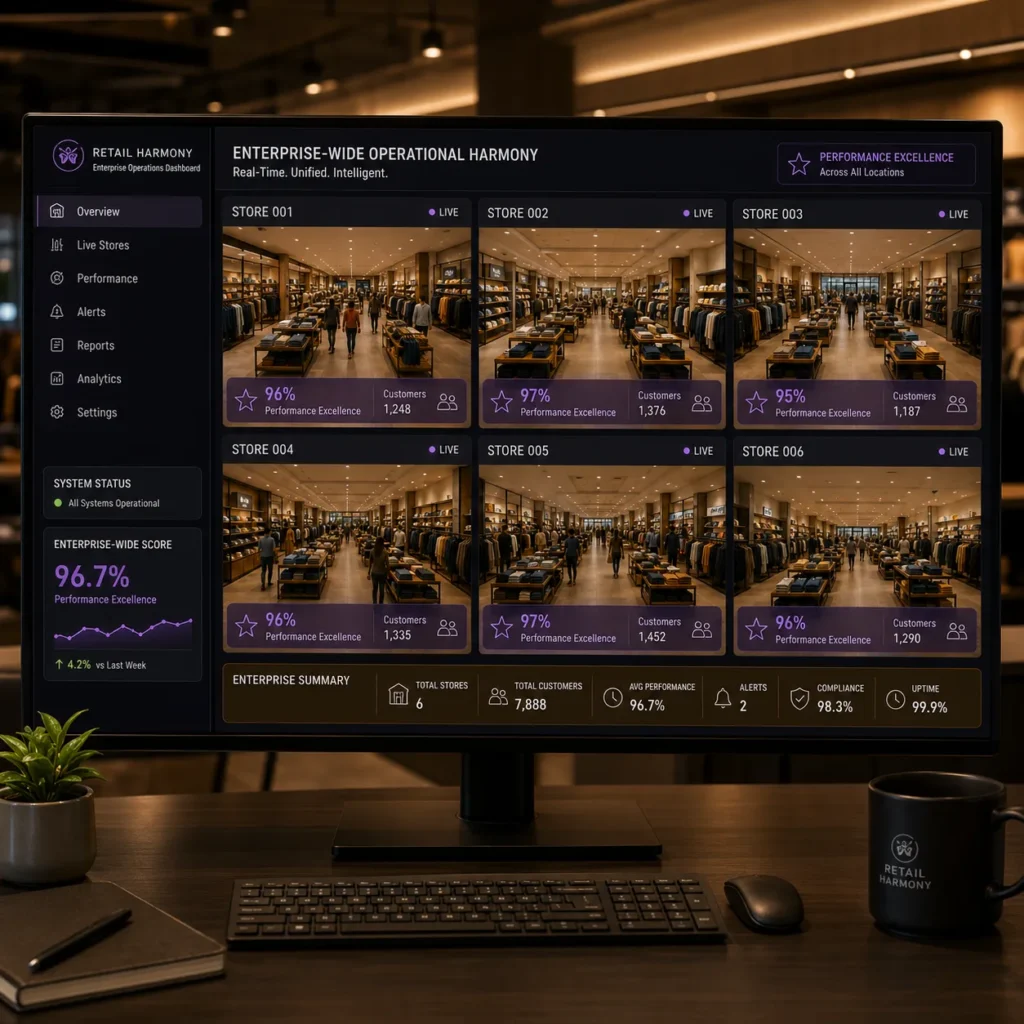
AI-powered operational monitoring supports a variety of retail environments, including:
- Supermarkets
- Hypermarkets
- Convenience Stores
- Fashion Retail Chains
- Electronics Stores
- Pharmacy Chains
- Department Stores
- Specialty Retailers
- Home Improvement Stores
- Quick Service Restaurant Chains
In each environment, operational consistency directly influences customer perception and business performance.
How CAPASai Helps Retailers Deliver Consistent Experiences
CAPASai helps retailers improve customer experience consistency through AI-powered video analytics and operational intelligence.
By monitoring queue conditions, store execution, planogram compliance, shelf availability, customer flow, and operational standards, CAPASai provides real-time visibility into how stores perform on a daily basis. Intelligent alerts help teams identify issues earlier, while centralized oversight supports consistency across multiple locations.
This enables retailers to strengthen operational discipline, improve store performance, and create a more predictable customer experience.
Creating A Consistent Retail Experience At Scale
The retailers that consistently deliver strong customer experiences are often those that can maintain operational standards across every location, every shift, and every customer interaction.
AI-powered monitoring helps bridge the gap between documented retail standards and real-world execution. By providing continuous operational visibility, retailers can identify opportunities for improvement, reinforce best practices, and maintain the consistency customers expect.