Why Operational Risk Has Become A Strategic Business Concern
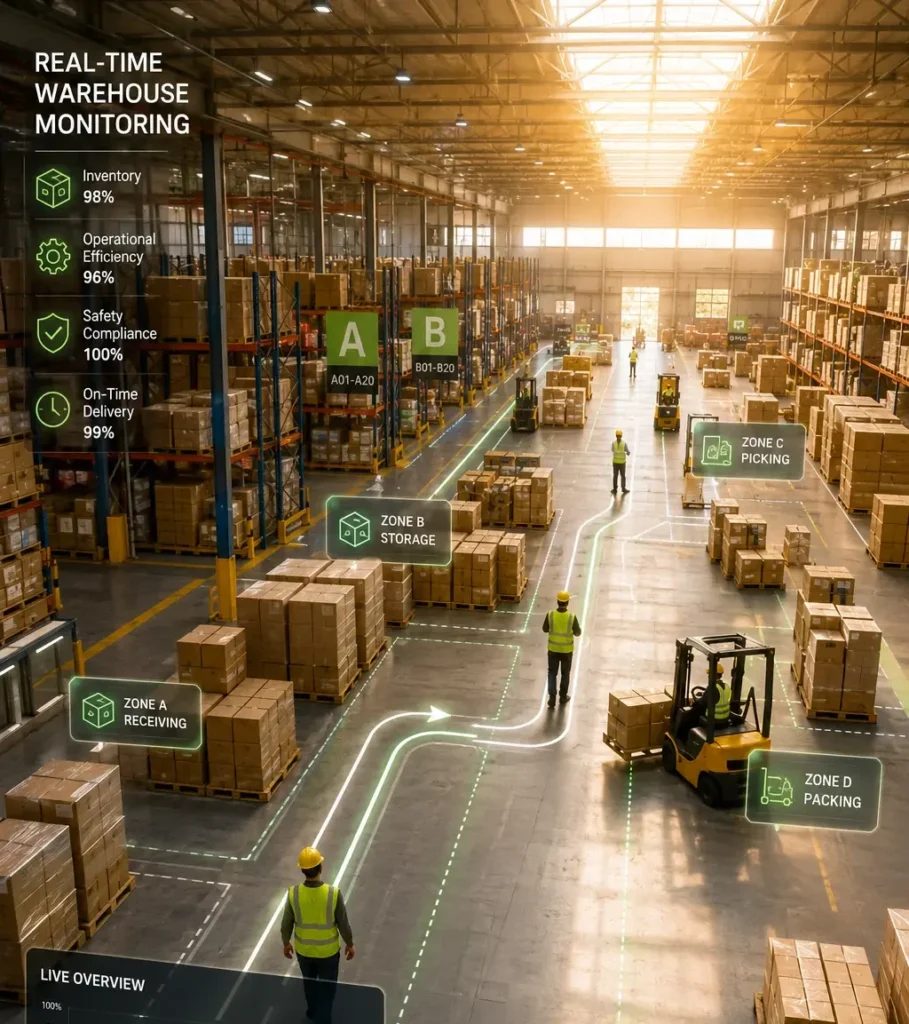
Regardless of industry, operational risk is present in all organisations. From manufacturing plants and retail chains to healthcare facilities and financial institutions, daily operations involve numerous processes, people, and procedures that must work together consistently. Even small deviations can create disruptions that affect productivity, compliance, quality, and business performance.
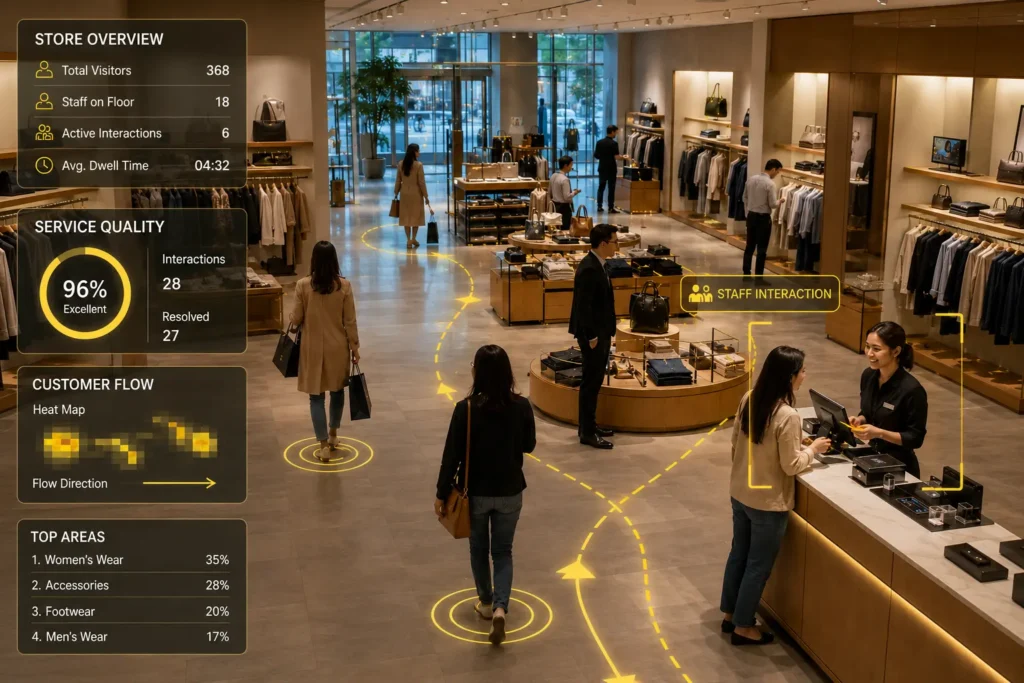
As organizations expand across multiple sites and manage increasingly complex operations, maintaining visibility into day-to-day activities becomes more challenging. Leaders often struggle to identify issues early enough to prevent them from developing into larger operational problems.
This growing need for operational visibility has made operational risk management a critical priority for enterprises seeking greater accountability, consistency, and control.
Common Sources Of Operational Risk Across Enterprises
Operational risks can emerge from a wide range of activities and processes. Many organizations encounter challenges such as:
- Non-compliance with standard operating procedures (SOPs)
- Workplace safety violations
- Human errors during critical tasks
- Inconsistent process execution
- Equipment misuse
- Restricted area violations
- Quality control failures
- Incomplete operational workflows
These issues may appear minor in isolation, but when left unaddressed, they can contribute to operational disruptions, regulatory concerns, increased costs, and reduced customer satisfaction.
How AI And Video Analytics Strengthen Operational Risk Management
AI-powered video analytics enables organizations to move from reactive risk management to proactive operational oversight. By analyzing video streams in real time, AI can identify activities, behaviors, and process deviations that may indicate emerging operational risks.
Instead of waiting for audits or incident reports, organizations can gain ongoing visibility into operational performance.
Key capabilities include:
SOP Adherence Monitoring
AI can help verify whether employees follow established procedures and operational workflows. Deviations can be identified and flagged for review.
Workplace Safety Observation
Operational risks often arise from unsafe practices. Video analytics can help monitor workplace activities and identify conditions that may require corrective action.
Process Compliance Verification
Organizations can monitor critical operational steps to ensure consistency across teams, departments, and locations.
Real-Time Alerts For Immediate Action
When predefined risk indicators are detected, supervisors can receive alerts that support faster intervention and issue resolution.
Multi-Site Operational Visibility
Businesses with several locations may keep an eye on operational performance from a single platform, which aids in upholding uniform standards across the enterprise.
Why Traditional Risk Management Approaches Have Limitations
Many organizations rely on periodic audits, manual supervision, and incident reporting to manage operational risk. While these methods remain important, they often provide only a partial view of what is happening across facilities and operational environments.
Common limitations include:
- Limited visibility between inspections
- Dependence on manual observations
- Delayed identification of issues
- Inconsistent reporting practices
- Difficulty monitoring multiple locations simultaneously
Organizations increasingly require continuous operational insights rather than occasional snapshots of performance.
Compare Traditional Risk Monitoring With AI-Powered Monitoring
Traditional Risk Management | AI-Powered Video Analytics |
Periodic audits | Continuous monitoring |
Manual observation | Automated analysis |
Reactive issue identification | Proactive risk detection |
Limited visibility | Real-time operational insights |
Location-specific oversight | Centralized multi-site visibility |
Delayed response | Immediate alerts |
This comparison highlights how continuous monitoring can help organizations identify operational concerns before they escalate into larger business challenges.
Business Benefits Of Proactive Risk Management
Organizations that strengthen operational risk management through AI-powered monitoring can achieve several important benefits.
Improved Operational Visibility
Leaders gain a clearer understanding of how processes are being executed across shifts, departments, and facilities.
Stronger Compliance
Continuous monitoring helps support adherence to operational standards, internal policies, and regulatory requirements.
Reduced Operational Disruptions
Early identification of process deviations allows organizations to address issues before they impact productivity or quality.
Greater Accountability
Objective operational insights help create transparency and encourage consistent execution of responsibilities.
Better Decision-Making
Real-time operational intelligence enables managers to prioritize corrective actions and allocate resources more effectively.
How CAPASai Supports Operational Risk Management
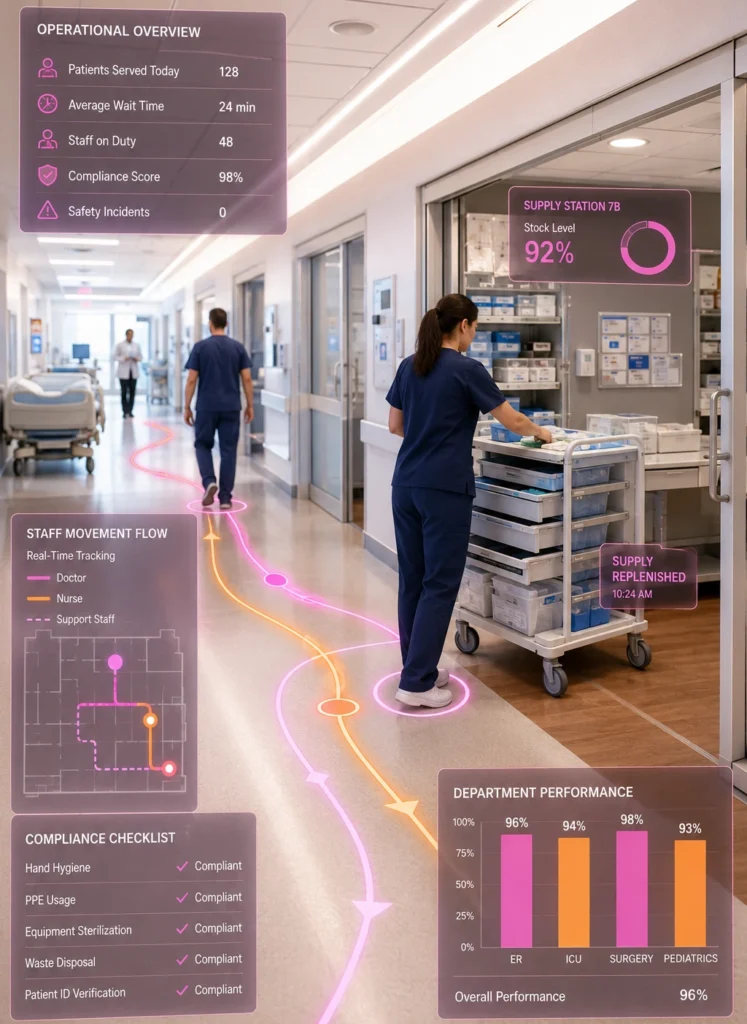
CAPASai helps organizations strengthen operational risk management through AI-powered video analytics, operational intelligence, and real-time monitoring.
By continuously analyzing workplace activities, process execution, compliance requirements, and operational behaviors, CAPASai provides actionable visibility into day-to-day operations. Intelligent alerts help teams respond quickly to potential risks, while centralized monitoring supports operational consistency across multiple locations.
Whether supporting manufacturing facilities, retail chains, healthcare organizations, educational institutions, logistics operations, or financial environments, CAPASai helps enterprises improve accountability, strengthen compliance, and reduce operational blind spots.
Building A More Resilient Operational Environment
As business operations become more distributed and complex, organizations need better ways to identify risks before they affect performance. Continuous operational visibility allows leaders to move beyond reactive management approaches and focus on prevention, consistency, and continuous improvement.
AI-powered video analytics is increasingly becoming an important component of modern operational risk management strategies, helping enterprises create safer, more compliant, and more accountable operational environments.