The Growing Need for Faster Incident Response
Organizations across retail chains, manufacturing facilities, healthcare institutions, banks, warehouses, educational campuses, and public infrastructure environments rely on video surveillance to improve security, safety, compliance, and operational performance.
Traditionally, CCTV systems have served as valuable tools for recording events and providing evidence after incidents occur. However, as operational risks become more complex and businesses demand faster decision-making, organizations increasingly seek solutions that can help identify problems before they escalate.
Whether the concern is theft, safety violations, unauthorized access, compliance failures, or operational disruptions, the ability to respond quickly can significantly reduce business impact.
Challenges of Post-Incident CCTV Investigation
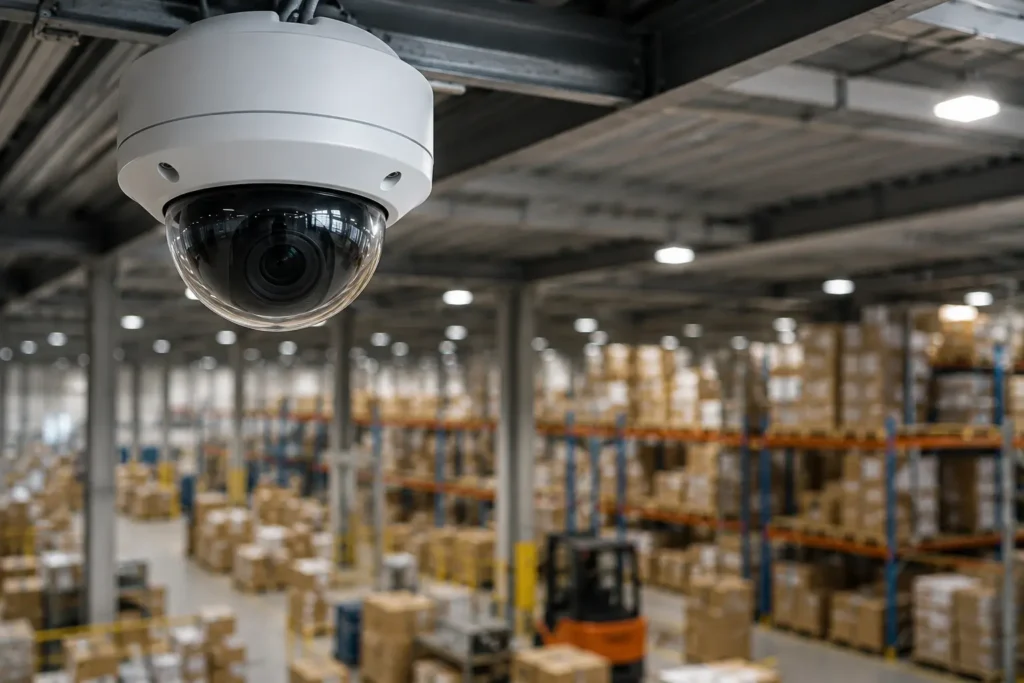
For decades, CCTV systems have primarily been used for forensic investigations. When an incident occurs, security teams review recorded footage to understand what happened and gather evidence.
While this approach remains useful, organizations often face several limitations:
- Incidents are discovered after they occur
- Response opportunities may already be missed
- Manual footage review is time-consuming
- Large volumes of video require extensive investigation
- Human operators may overlook critical events
- Delayed reporting can increase operational losses
- Corrective actions often occur after damage has already happened
As businesses expand across multiple locations, relying solely on post-incident investigation can make proactive risk management difficult.
The Shift Toward Real-Time Operational Awareness
Modern organizations increasingly require more than recorded evidence. They need immediate visibility into events occurring across facilities, stores, production lines, and critical infrastructure.
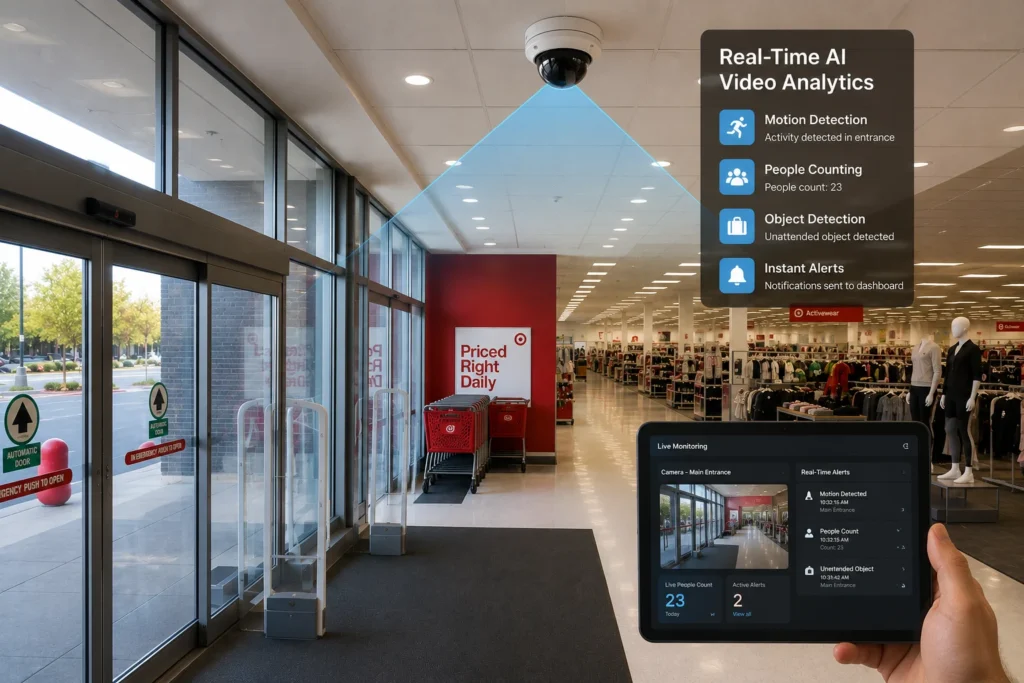
Real-time AI video analytics uses artificial intelligence to continuously analyze video streams, identify predefined events, detect anomalies, and generate alerts the moment an issue occurs.
Instead of waiting for someone to discover an incident, organizations gain the ability to respond as events unfold.
Compare Real-Time AI Video Analytics vs Post-Incident CCTV Investigation
Feature | Post-Incident CCTV Investigation | Real-Time AI Video Analytics |
Incident Awareness | After the event | During the event |
Monitoring Approach | Video recording | Continuous AI analysis |
Alert Generation | Manual discovery | Instant notifications |
Response Speed | Delayed | Immediate |
Operational Visibility | Limited | Real-time |
Investigation Time | Extensive footage review | Event-based review |
Compliance Monitoring | Reactive | Proactive |
Risk Prevention | Limited | Early intervention |
When organizations compare these approaches, the primary difference is whether incidents are addressed after they occur or while they are happening.
Compare the Business Impact of Proactive Monitoring
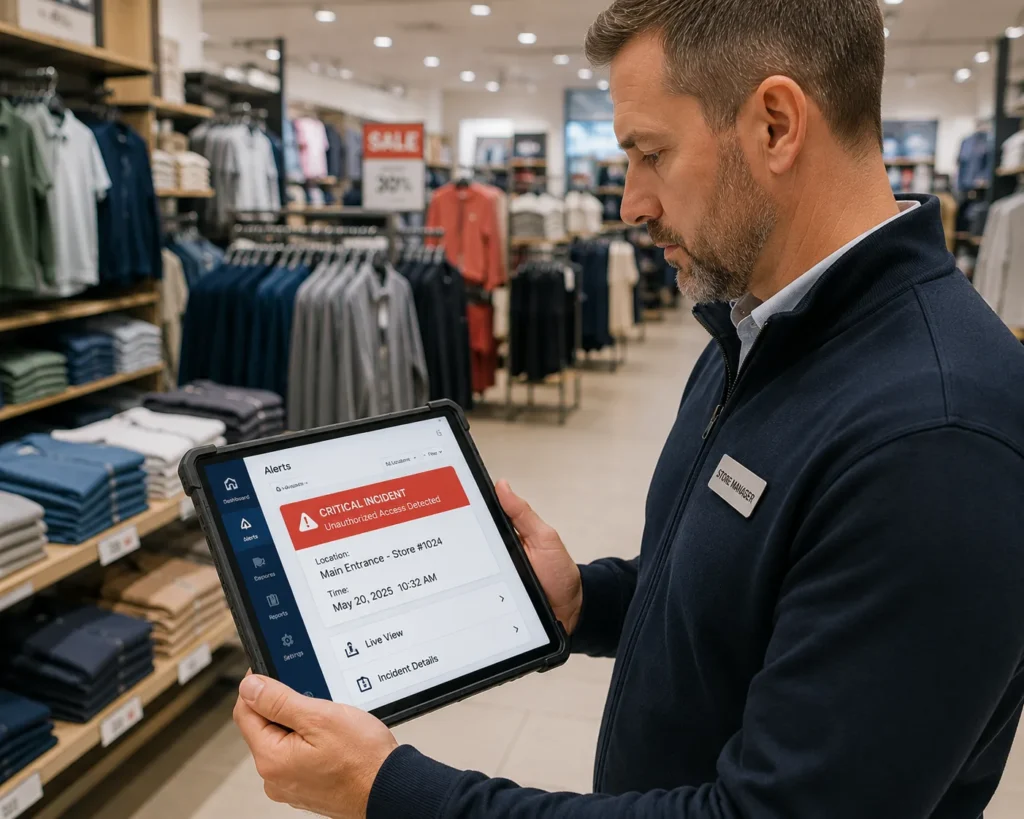
The ability to identify and respond to issues in real time can significantly improve operational outcomes.
AI-powered video analytics helps organizations:
- Reduce incident response times
- Improve workplace safety
- Strengthen security monitoring
- Enhance compliance oversight
- Reduce operational disruptions
- Improve loss prevention efforts
- Increase visibility across multiple locations
Traditional CCTV investigation remains valuable for evidence collection and root-cause analysis, but it often lacks the speed required for immediate intervention.
Real-World Applications of Real-Time Video Analytics
Organizations across industries use AI-powered monitoring for a variety of operational objectives.
Retail Operations
Detect suspicious activities, monitor queue lengths, and improve loss prevention.
Manufacturing Facilities
Identify safety violations, monitor production areas, and support compliance programs.
Healthcare Environments
Enhance patient safety and monitor restricted areas.
Banking and Financial Services
Strengthen branch security and improve operational oversight.
These use cases demonstrate why many organizations compare AI-driven monitoring solutions with traditional CCTV investigation methods when modernizing surveillance operations.
How CAPASai Helps Organizations Respond Faster
CAPASai transforms existing CCTV infrastructure into an intelligent monitoring platform through AI-powered video analytics, remote monitoring, and real-time alerts.
The platform helps organizations:
- Detect incidents as they occur
- Receive immediate notifications
- Monitor multiple locations from a centralized dashboard
- Improve compliance visibility
- Strengthen safety and security oversight
- Reduce manual video review requirements
- Support faster corrective actions
By turning video streams into actionable intelligence, CAPASai helps organizations move beyond passive surveillance and toward proactive operational management.
Moving from Investigation to Prevention
Video surveillance is evolving from a tool used primarily for post-incident investigation into a proactive operational intelligence platform. Organizations that compare real-time AI video analytics with traditional CCTV investigation often discover significant advantages in visibility, response speed, and risk reduction. As businesses seek smarter ways to improve security, safety, and compliance, solutions like CAPASai help transform surveillance systems into engines of real-time decision-making and operational excellence.