The Growing Importance of Effective CAPA Management
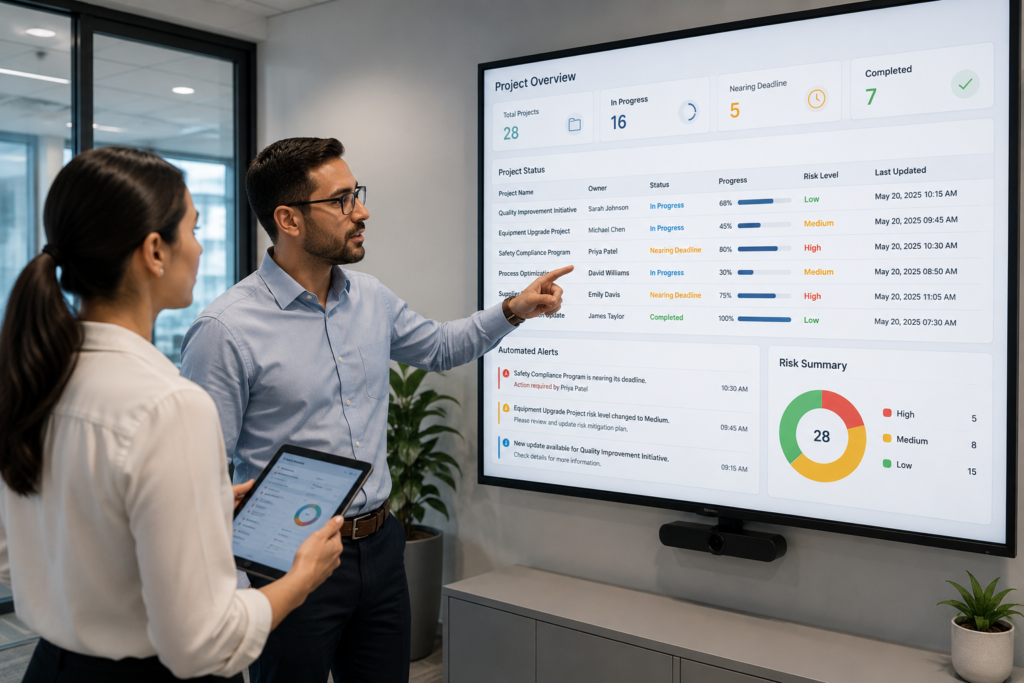
An AI-Powered CAPA System provides a smarter and more efficient alternative to spreadsheet-based CAPA tracking. CAPASai enables organizations to automate corrective and preventive action workflows, monitor compliance in real time, improve accountability, and reduce manual errors. With AI-powered insights, centralized dashboards, automated reminders, and complete audit trails, businesses can strengthen quality management while accelerating issue resolution. Whether operating in manufacturing, healthcare, pharmaceuticals, logistics, or other regulated industries, adopting an AI-Powered CAPA System helps improve compliance, increase operational efficiency, and support continuous improvement across the organization.
Common Challenges with Spreadsheet-Based CAPA Tracking
For many years, spreadsheets have been the preferred tool for managing CAPA records due to their simplicity and accessibility. Teams often use spreadsheets to track incidents, assign actions, monitor deadlines, and maintain audit records.
However, spreadsheet-based CAPA management frequently presents challenges such as:
- Manual data entry errors
- Difficulty tracking overdue actions
- Limited visibility across departments
- Lack of automated notifications
- Inconsistent documentation practices
- Time-consuming reporting processes
- Challenges managing large CAPA volumes
- Reduced accountability for action ownership
As organizations scale, spreadsheet-based systems often become difficult to maintain and audit effectively.

The Shift Toward Intelligent CAPA Management
Modern organizations increasingly seek digital solutions that provide better visibility, automation, and control over CAPA workflows.
AI-powered CAPA systems help organizations streamline issue management by automatically tracking actions, generating alerts, monitoring deadlines, identifying recurring trends, and supporting root-cause investigations.
Instead of relying on manual updates and disconnected spreadsheets, teams gain a centralized platform for managing the entire CAPA lifecycle.
Compare AI-Powered CAPA Systems vs Spreadsheet-Based CAPA Tracking
Feature | Spreadsheet-Based CAPA Tracking | AI-Powered CAPA Systems |
Data Entry | Manual | Automated and centralized |
Action Tracking | Manual follow-up | Automated monitoring |
Deadline Management | User dependent | Automated reminders |
Reporting | Time consuming | Real-time dashboards |
Trend Analysis | Limited | AI-driven insights |
Audit Readiness | Manual preparation | Centralized documentation |
Visibility | Department specific | Organization-wide visibility |
Scalability | Difficult at scale | Highly scalable |
When organizations compare these approaches, the key difference is automation, visibility, and proactive management.
Compare the Impact on Compliance and Operational Efficiency
An effective CAPA process helps organizations resolve issues faster and prevent recurrence.
AI-powered CAPA platforms can support:
- Faster issue resolution
- Improved accountability
- Better regulatory compliance
- Reduced manual administrative effort
- Enhanced audit preparedness
- Improved cross-functional collaboration
- Greater visibility into corrective actions
While spreadsheets may be sufficient for small teams, larger organizations often require more structured and automated workflows.
Use Cases for AI-Powered CAPA Systems
Modern CAPA platforms support a wide range of operational and compliance initiatives.
Quality Management
Track non-conformances, deviations, and quality incidents from identification through closure.
Compliance Monitoring
Ensure corrective actions are completed within required timelines.
Operational Improvement
Identify recurring operational issues and implement preventive measures.
Incident Management
Monitor investigations and action plans across multiple locations and departments.
These use cases demonstrate why organizations increasingly compare AI-powered CAPA solutions with spreadsheet-based tracking methods.
How CAPASai Enhances CAPA Management
CAPASai combines AI-powered video analytics, remote monitoring, real-time alerts, and CAPA management capabilities to help organizations identify issues and drive corrective actions more effectively.
The platform enables organizations to:
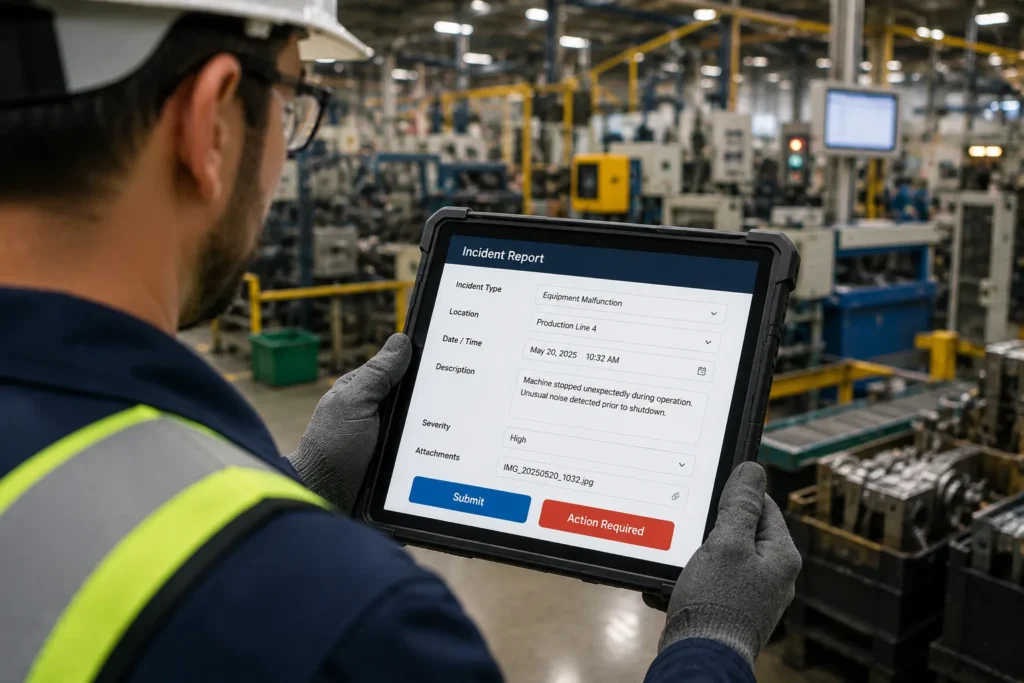
- Automatically generate CAPA events from operational incidents
- Improve issue detection through intelligent video analytics
- Track corrective actions centrally
- Monitor compliance across multiple locations
- Receive automated alerts and notifications
- Improve accountability and closure rates
- Gain visibility through centralized dashboards and reporting
By connecting operational monitoring with CAPA workflows, CAPASai helps organizations move from reactive issue management to proactive continuous improvement.
Moving Toward Smarter Corrective Action Management
Effective CAPA management is essential for maintaining quality, compliance, and operational excellence. Organizations that compare AI-powered CAPA systems with spreadsheet-based CAPA tracking often discover significant advantages in automation, visibility, accountability, and scalability. As businesses seek more efficient ways to manage corrective and preventive actions, platforms like CAPASai provide the intelligence and workflow automation needed to support continuous improvement.