Organizations invest heavily in technology, workforce development, process improvement, and operational excellence initiatives to improve productivity. Yet despite these efforts, many businesses continue to experience hidden productivity bottlenecks that quietly reduce efficiency, slow operations, and increase costs.
The challenge is that many bottlenecks are not visible through traditional reports, spreadsheets, or periodic inspections. They often occur within day-to-day operational activities and can remain unnoticed until they significantly impact performance. As businesses strive for greater efficiency, visual intelligence is emerging as a powerful tool for identifying these hidden constraints and enabling continuous operational improvement.
What Are Productivity Bottlenecks?
A productivity bottleneck is any point within a workflow, process, or operation that restricts overall performance.
Common examples include:
- Delays in material movement
- Process deviations
- Inefficient task execution
- Resource shortages
- Excessive waiting times
- Equipment utilization issues
- Workflow interruptions
Even small bottlenecks can create substantial productivity losses when repeated across multiple shifts, departments, or locations.
Why Hidden Bottlenecks Are Difficult To Detect
Many organizations rely on operational reports, supervisor observations, and performance metrics to identify inefficiencies.
However, these methods often have limitations.
Limited Operational Visibility
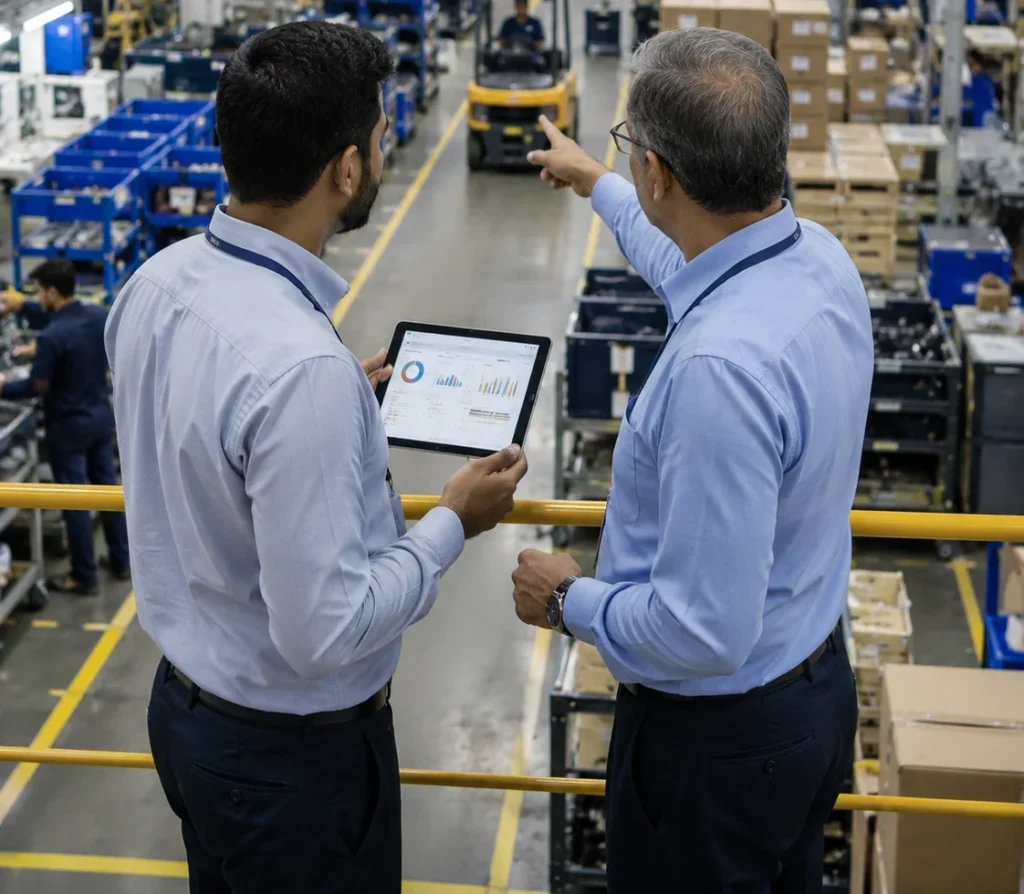
Managers cannot continuously observe every operational activity across the organization.
Delayed Reporting
Performance data frequently doesn’t become accessible until productivity has already been impacted.
Incomplete Information
Traditional systems may capture outcomes but not the activities that caused them.
Human Observation Constraints
Manual supervision can miss subtle workflow disruptions that occur throughout the day.
As a result, many productivity issues remain hidden beneath the surface of daily operations.
What Is Visual Intelligence?
Visual intelligence combines Artificial Intelligence (AI), computer vision, video analytics, and operational monitoring technologies to analyze activities occurring within physical environments.
Unlike traditional video surveillance that simply records events, visual intelligence continuously interprets operational activities and transforms them into actionable business insights.
This allows organizations to understand how work is actually being performed in real time.
How Visual Intelligence Reveals Hidden Productivity Bottlenecks
Continuous Workflow Observation
Visual intelligence provides ongoing visibility into operational processes across facilities and departments.
Organizations can identify workflow disruptions that may otherwise go unnoticed.
Detection Of Operational Delays
AI can recognize delays, waiting periods, and process interruptions that reduce productivity.
Movement Pattern Analysis
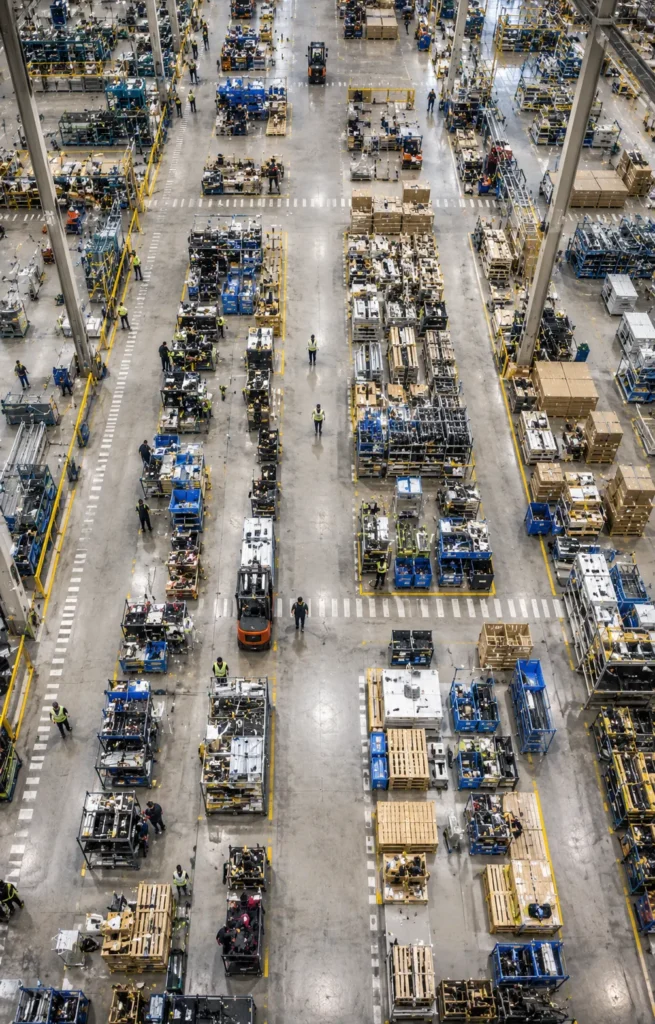
Visual intelligence helps analyze how people, materials, and resources move throughout operational environments.
This can reveal inefficiencies that affect throughput and performance.
Process Adherence Monitoring
Organizations can verify whether standard operating procedures are being followed consistently.
Process deviations often contribute to productivity losses and operational inconsistencies.
Early Identification Of Emerging Constraints
Rather than waiting for performance metrics to decline, organizations can detect bottlenecks as they begin to develop.
Compare Traditional Bottleneck Detection And Visual Intelligence
Traditional Detection Methods | Visual Intelligence |
Periodic reviews | Continuous monitoring |
Manual observations | AI-driven analysis |
Reactive problem identification | Early bottleneck detection |
Limited operational visibility | Real-time workflow visibility |
Outcome-focused reporting | Process-level intelligence |
Sample-based assessments | Comprehensive operational coverage |
This comparison demonstrates why visual intelligence is becoming increasingly valuable for productivity optimization.
The Role Of Computer Vision In Bottleneck Analysis
Computer vision enables AI systems to understand activities occurring within operational environments.
Using computer vision, organizations can:
- Monitor workflows
- Identify process delays
- Detect operational deviations
- Analyze resource utilization
- Improve workflow efficiency
- Support continuous improvement initiatives
This capability helps transform visual activities into measurable operational intelligence.
Benefits Of Identifying Bottlenecks Early
Organizations that uncover bottlenecks before they affect operations can achieve several advantages.
Improved Productivity
Remove constraints that reduce throughput and operational efficiency.
Faster Issue Resolution
Address problems before they become larger disruptions.
Better Resource Utilization
Optimize the use of labor, equipment, and operational assets.
Enhanced Process Consistency
Reduce variability across shifts, teams, and locations.
Stronger Operational Performance
Support long-term productivity and business growth.
Visual Intelligence Across Industries
Visual intelligence can help identify productivity bottlenecks across multiple sectors.
Industry | Bottleneck Detection Applications |
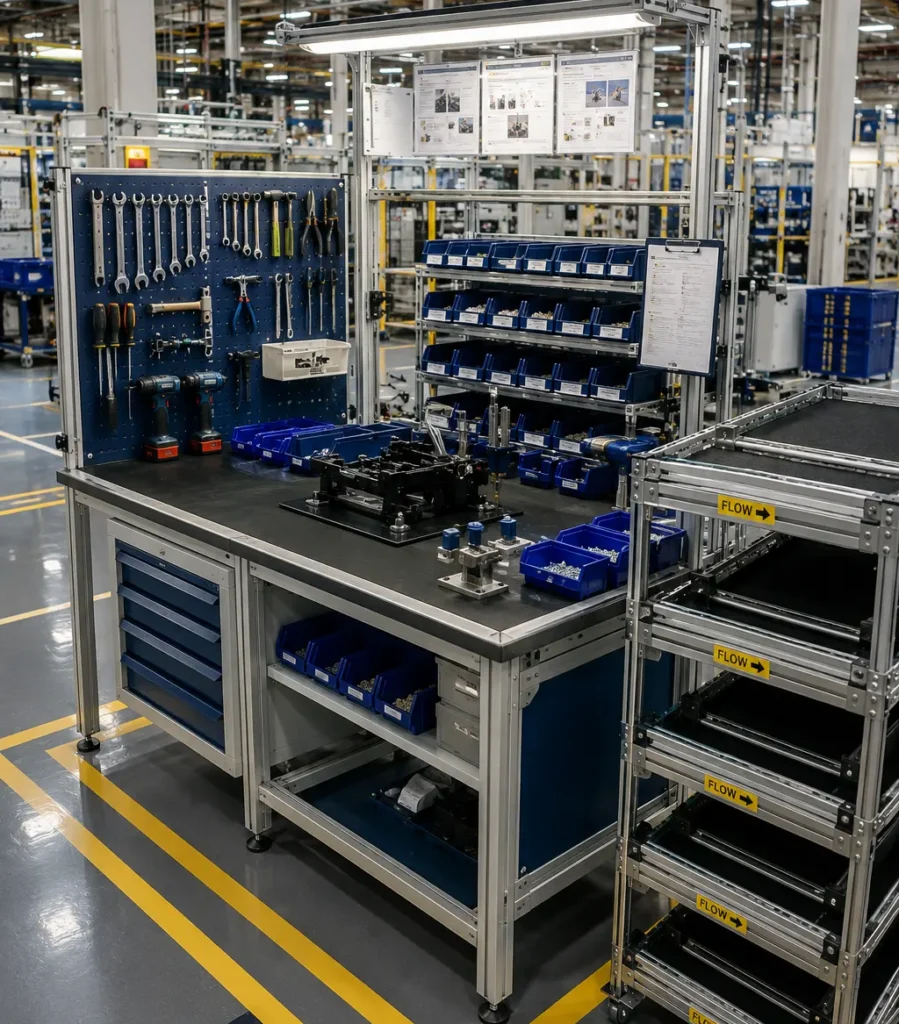
Manufacturing | Production delays, workflow disruptions, process inefficiencies |
Retail Chains | Customer service delays, operational compliance issues |
Logistics & Warehousing | Throughput constraints, material flow bottlenecks |
Healthcare | Process delays, resource allocation challenges |
Hospitality | Service delivery inefficiencies |
Banking & BFSI | Branch operation workflow analysis |
Education | Facility utilization and operational process monitoring |
Organizations across industries are increasingly using visual intelligence to improve operational performance.
How CAPASai Helps Reveal Hidden Productivity Bottlenecks
CAPASai helps organizations uncover hidden productivity bottlenecks through AI-powered video analytics, computer vision, real-time operational monitoring, and intelligent alerts. By continuously analyzing workflows, operational activities, process adherence, and resource utilization, CAPASai enables businesses to identify inefficiencies, reduce productivity losses, improve operational visibility, and drive continuous improvement across multiple locations.