Modern organizations are under constant pressure to improve productivity, maintain operational consistency, optimize workforce utilization, and achieve better business outcomes. Operational leaders want precise and fast information in order to make well-informed decisions, whether they are in charge of manufacturing facilities, retail chains, logistics centers, healthcare operations, or service environments.
However, workforce management remains one of the most challenging aspects of operational leadership. Many organizations still rely on manual observations, periodic reports, supervisor feedback, and retrospective performance reviews to understand workforce effectiveness. While these methods provide valuable information, they often lack the real-time visibility needed to proactively improve performance.
As businesses embrace digital transformation, AI-driven workforce analytics is emerging as a powerful solution that helps operational leaders gain deeper insights into workforce performance, productivity, and operational execution.
What Is AI-Driven Workforce Analytics?
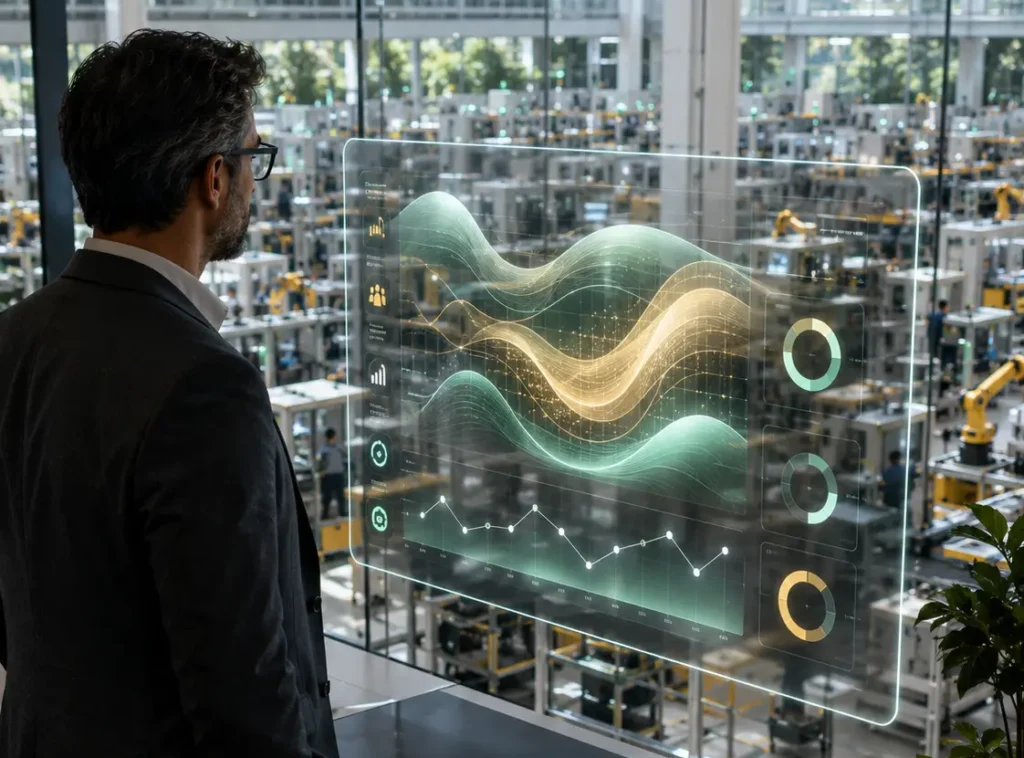
AI-driven workforce analytics refers to the use of Artificial Intelligence, computer vision, data analytics, and operational intelligence technologies to analyze workforce activities and generate actionable business insights.
Rather than relying solely on manual assessments, AI continuously evaluates operational activities and workforce interactions to provide objective performance visibility.
This enables leaders to better understand:
- Workforce productivity
- Process adherence
- Resource utilization
- Operational efficiency
- Workflow effectiveness
- Performance trends
- Improvement opportunities
Why Traditional Workforce Management Has Limitations
Many operational leaders face challenges when trying to understand workforce performance across multiple locations, shifts, and departments.
Limited Visibility
Supervisors cannot continuously observe every operational activity throughout the organization.
Delayed Insights
Performance problems are frequently discovered after they have already had an impact on operational results.
Subjective Evaluations
Assessments may vary between managers, departments, and facilities.
Inconsistent Measurement
Different teams may use different standards when evaluating workforce performance.
These limitations can make it difficult to drive consistent operational improvements.
Why Operational Leaders Need Workforce Analytics
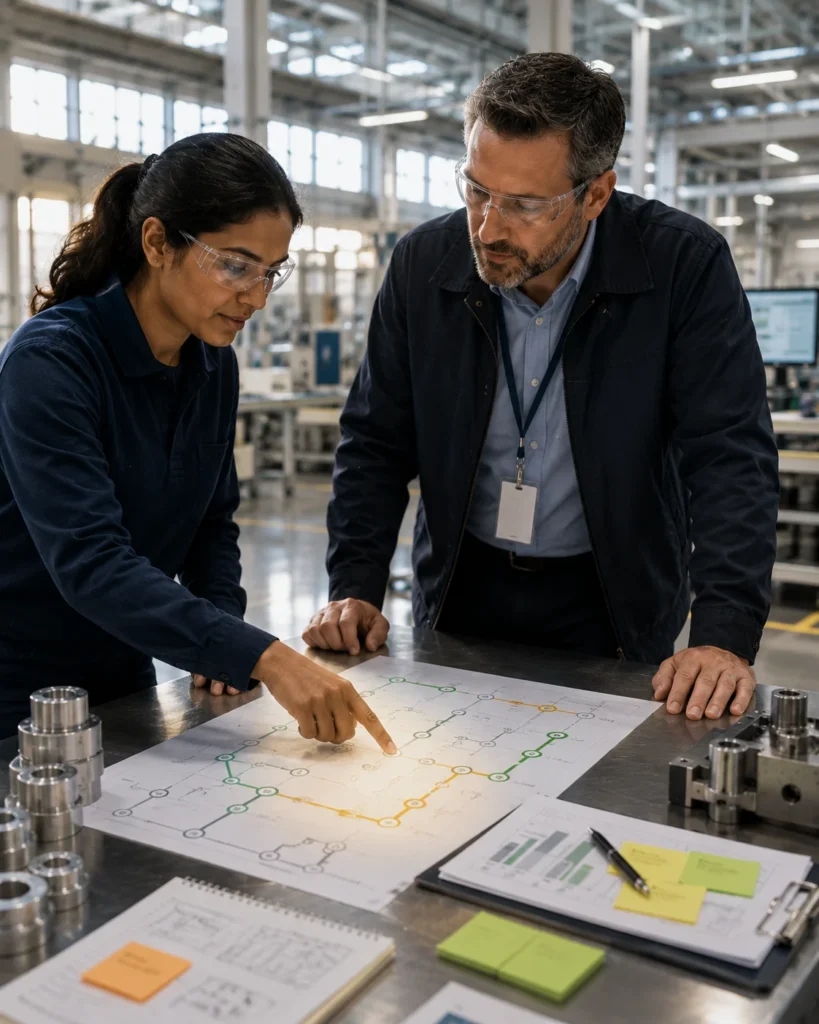
Today’s operational environments generate large amounts of activity that cannot be effectively monitored through manual methods alone.
AI-driven workforce analytics helps leaders:
Gain Real-Time Visibility
Understand workforce activities as they happen rather than relying on historical reports.
Improve Productivity
Identify inefficiencies, bottlenecks, and workflow disruptions that affect performance.
Strengthen Accountability
Ensure operational standards and processes are followed consistently.
Support Better Decision-Making
Provide objective data that supports operational planning and resource allocation.
Enable Continuous Improvement
Identify opportunities for optimization across locations and teams.
How AI Workforce Analytics Works
AI technologies analyze operational activities and transform them into actionable insights.
Activity Analysis
AI evaluates workflow patterns and workforce interactions to understand operational performance.
Process Adherence Monitoring
Organizations can verify whether established procedures are being followed consistently.
Productivity Measurement
Operational activities can be analyzed to identify efficiency trends and performance opportunities.
Workforce Utilization Insights
Leaders gain visibility into how labor resources are being deployed across operations.
Trend Identification
AI helps uncover recurring operational patterns that may impact productivity and performance.
Compare Traditional Workforce Management And AI-Driven Workforce Analytics
Traditional Workforce Management | AI-Driven Workforce Analytics |
Manual observations | Continuous AI analysis |
Periodic reviews | Real-time operational insights |
Limited visibility | Enterprise-wide awareness |
Subjective assessments | Objective data-driven measurement |
Reactive management | Proactive performance improvement |
Historical reporting | Continuous operational intelligence |
This comparison demonstrates why workforce analytics is becoming a strategic capability for operational leaders.
The Role Of Computer Vision In Workforce Analytics
Computer vision enables organizations to convert visual operational activities into meaningful business intelligence.
Using computer vision, organizations can:
- Monitor workflow execution
- Analyze operational patterns
- Measure productivity trends
- Verify process compliance
- Detect inefficiencies
- Support workforce planning
- Improve operational consistency
This allows leaders to gain deeper visibility into operations without relying solely on manual supervision.
Benefits Of AI-Driven Workforce Analytics
Employing workforce analytics has several significant advantages for businesses.
Enhanced Operational Visibility
Gain a comprehensive view of workforce activities across locations and shifts.
Improved Productivity
Identify and address performance barriers more quickly.
Better Resource Allocation
Optimize workforce deployment based on operational demand.
Stronger Accountability
Encourage consistent adherence to operational standards.
Faster Decision-Making
Provide leaders with real-time information that supports proactive action.
Greater Operational Consistency
Standardize performance expectations across the enterprise.
AI Workforce Analytics Across Industries
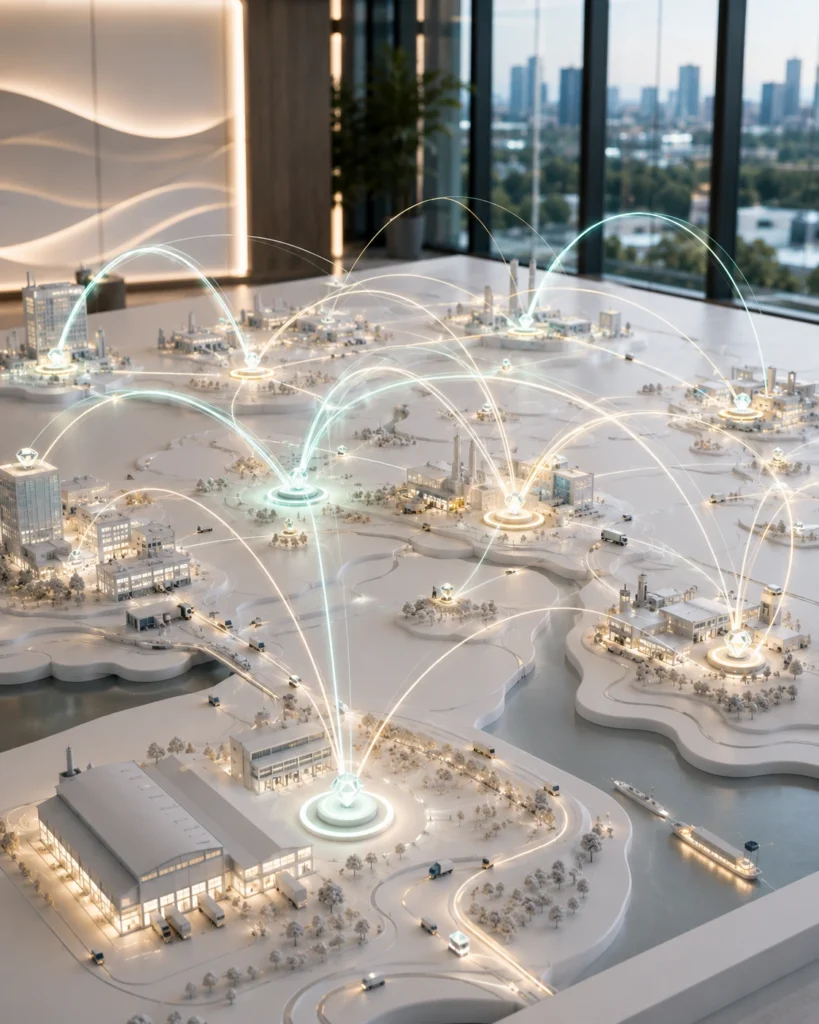
AI-driven workforce analytics can deliver value across multiple sectors.
Industry | Workforce Analytics Applications |
Manufacturing | Productivity monitoring, process adherence, workflow optimization |
Retail Chains | Store operations monitoring, workforce utilization, customer service performance |
Logistics and Warehousing | Analysis of throughput, labour optimisation, and operational effectiveness |
Healthcare | Process monitoring, workflow visibility, resource allocation |
Banking & BFSI | Branch operations oversight, compliance monitoring |
Hospitality | Service consistency, workforce coordination |
Education | Campus operations monitoring, workforce effectiveness |
The Future Of Workforce Leadership
The future of workforce management will be driven by visibility, intelligence, and data-driven decision-making. Operational leaders need more than reports and observations—they need continuous insights into how work is being performed across their organizations.
AI-driven workforce analytics provides the foundation for smarter workforce planning, stronger accountability, improved productivity, and better operational performance. Organizations that embrace workforce analytics today will be better positioned to build agile, efficient, and high-performing operations for the future.
How CAPASai Supports Workforce Analytics
CAPASai helps organizations gain workforce intelligence through AI-powered video analytics, real-time operational monitoring, intelligent alerts, and workforce behavior insights. By transforming operational activities into actionable analytics, CAPASai enables leaders to improve productivity, strengthen accountability, optimize workforce utilization, and maintain operational consistency across multiple locations.