Why Video Analytics Architecture Is Becoming a Strategic Decision
Organizations are increasingly using AI-powered video analytics to improve security, operational visibility, compliance monitoring, and incident response. As surveillance systems evolve from simple recording platforms into intelligent monitoring solutions, the way video data is processed has become an important business consideration.
Whether managing a manufacturing facility, retail chain, hospital network, logistics operation, or smart infrastructure project, organizations need video analytics systems that can deliver timely insights while supporting performance, scalability, and operational efficiency.
As a result, many enterprises are evaluating different processing architectures to determine which approach best aligns with their business requirements and technology strategy.
Factors Influencing Video Analytics Deployment Decisions
Selecting a video analytics architecture involves more than choosing where data is processed. Organizations must consider several operational and technical factors that can impact long-term success.
Common evaluation criteria include:
- Response time requirements
- Network reliability
- Data transfer volumes
- Infrastructure investments
- Remote monitoring needs
- Scalability objectives
- Cybersecurity policies
- Multi-site management requirements
These considerations often shape whether an organization favors local processing, centralized processing, or a combination of both.
Understanding Edge AI and Centralized Cloud Processing
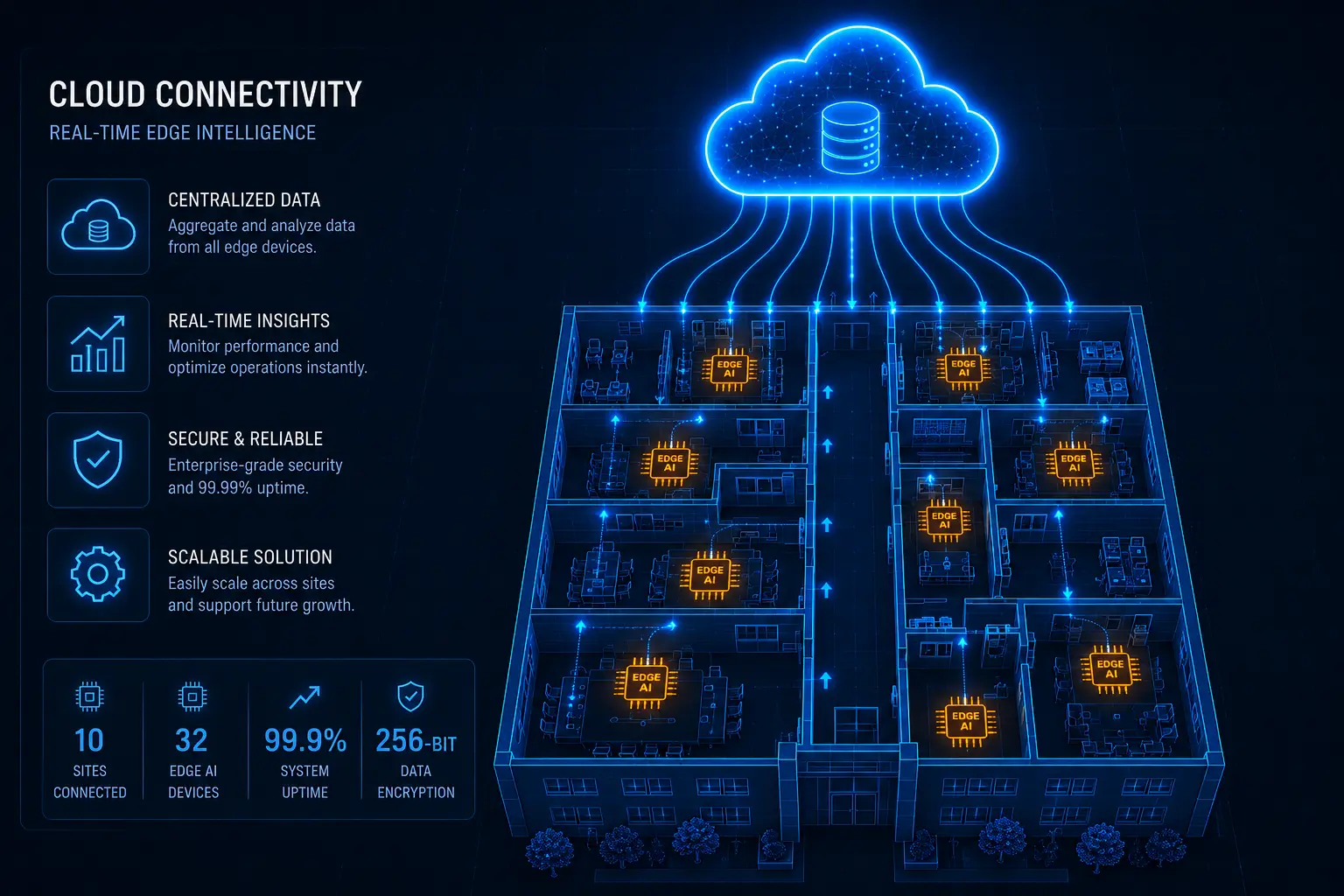
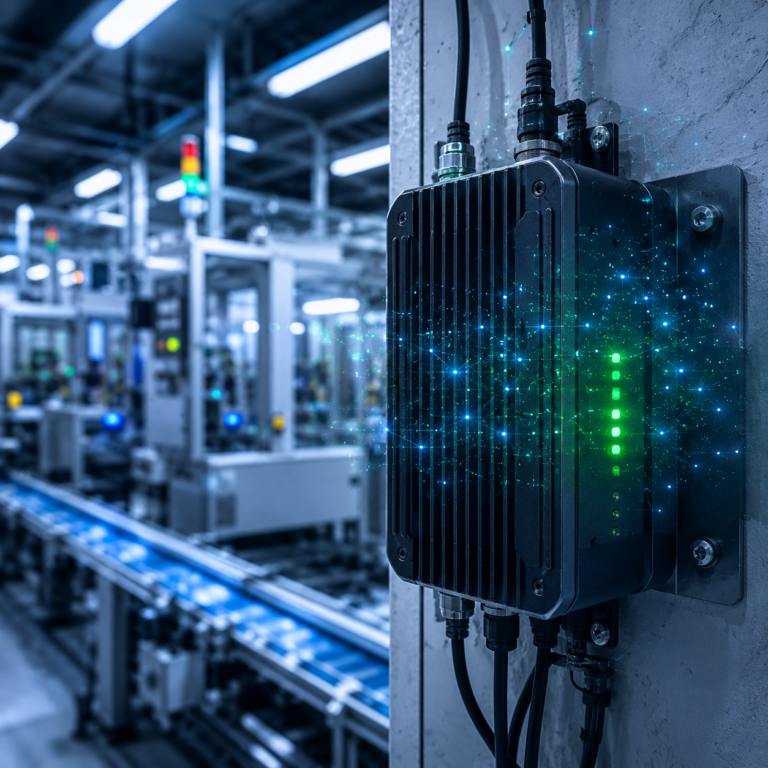
Edge AI Video Analytics processes video data close to the camera or on local computing devices located at the site. Analysis occurs near the source of the footage, allowing decisions and alerts to be generated locally.
Centralized Cloud Processing transfers video data to cloud-based infrastructure where AI algorithms analyze footage and generate insights through a centralized platform.
Both approaches support intelligent monitoring, but each offers different operational advantages and trade-offs.
Compare Edge AI Video Analytics vs Centralized Cloud Processing
Feature | Edge AI Video Analytics | Centralized Cloud Processing |
Processing Location | Near the camera or local device | Remote cloud infrastructure |
Response Speed | Very fast | Network-dependent |
Bandwidth Usage | Lower | Higher |
Internet Dependency | Limited | Significant |
Scalability | Site-based expansion | Highly scalable |
Centralized Management | Moderate | Strong |
Data Accessibility | Localized access | Global accessibility |
Infrastructure Control | Greater local control | Cloud-managed environment |
The decision is frequently based on how businesses strike a balance between operational needs, infrastructure management, scalability, and responsiveness.
.
Compare the Advantages of Edge AI Processing
Edge AI is often selected when organizations require rapid event detection and local processing capabilities.
Key advantages include:
- Faster alert generation
- Reduced network traffic
- Lower bandwidth consumption
- Improved operation during connectivity interruptions
- Local processing of sensitive data
- Reduced dependency on external infrastructure
These benefits can be particularly valuable in environments where immediate response times are critical.
Compare the Advantages of Centralized Cloud Processing
Cloud-based processing offers a different set of strengths that appeal to organizations managing large and distributed operations.
Potential advantages include:
- Centralized administration
- Easier software updates
- Enterprise-wide visibility
- Simplified system expansion
- Remote access across locations
- Unified reporting and analytics
Centralised management can streamline operations and increase consistency for companies with various locations.
How CAPASai Supports Intelligent Video Analytics Deployments
Regardless of where analytics are processed, organizations ultimately seek actionable insights that improve operational performance.
CAPASai enhances CCTV systems through AI-powered video analytics, remote monitoring capabilities, and real-time alerts. By continuously analyzing operational activities, security events, and compliance-related conditions, CAPASai helps organizations gain greater visibility into daily operations.
Key capabilities include:
- Intelligent event detection
- Automated alert generation
- Compliance monitoring support
- Remote operational visibility
- Multi-location oversight
- Safety monitoring
- Incident awareness
- Centralized reporting capabilities
This enables organizations to derive greater value from surveillance infrastructure while improving decision-making and operational responsiveness.
Benefits of AI-Powered Video Analytics Across Deployment Models
Whether analytics are processed at the edge or through centralized cloud infrastructure, organizations can benefit from:
- Faster incident awareness
- Improved operational visibility
- Enhanced compliance monitoring
- Better resource utilization
- Reduced investigation times
- Stronger situational awareness
- Improved decision-making
- More proactive risk management
The effectiveness of a deployment model ultimately depends on how well it supports organizational goals and operational requirements.
Compare the Long-Term Pros and Cons of Edge and Cloud Architectures
As video analytics becomes an increasingly important component of operational intelligence, organizations must carefully evaluate how analytics infrastructure aligns with business objectives. Edge AI offers advantages in responsiveness, bandwidth efficiency, and local control, while centralized cloud processing provides scalability, accessibility, and centralized management. Rather than focusing solely on technology architecture, organizations should assess how each approach supports operational performance, risk management, and future growth. The most effective solution is often the one that delivers the right balance between speed, visibility, scalability, and operational flexibility.