Why Retail Loss Prevention Is Becoming More Complex
Retail businesses operate in an environment where profitability depends not only on sales growth but also on minimizing avoidable losses. From shoplifting and employee theft to inventory discrepancies, fraudulent activities, and operational inefficiencies, retailers face numerous challenges that can directly impact margins.
To address these risks, most stores have invested in CCTV systems to monitor sales floors, entrances, stockrooms, checkout counters, and other critical areas. However, as retail operations expand across multiple locations, managing and reviewing surveillance footage becomes increasingly difficult. Simply recording activities is often not enough to prevent losses before they occur.
This has led many retailers to explore intelligent monitoring technologies that can provide faster visibility into suspicious activities and operational risks.
Challenges with Conventional CCTV Surveillance in Retail
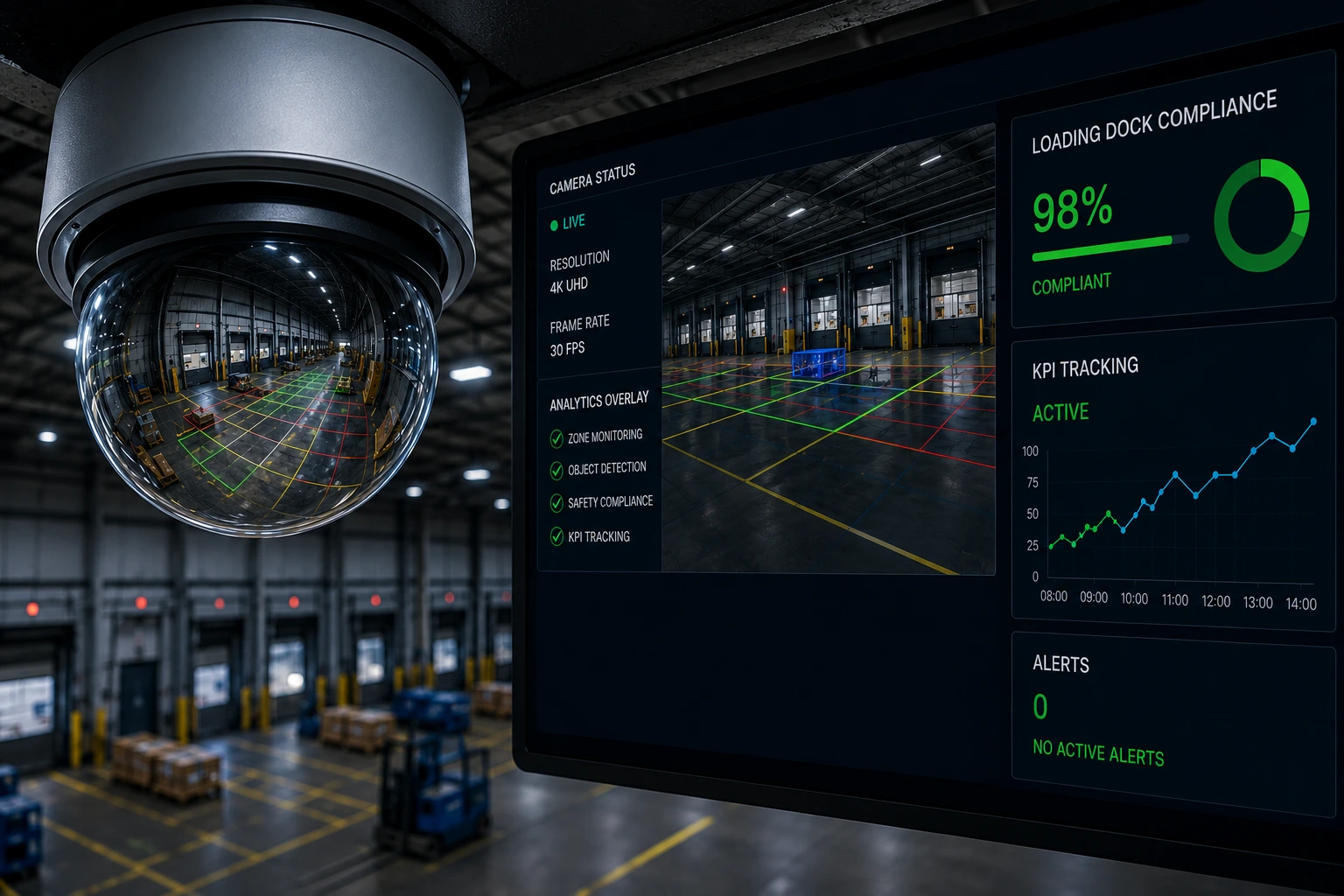
Conventional CCTV systems are crucial for recording incidents and assisting with investigations. However, if merchants only use traditional surveillance techniques, they frequently run into problems.
Common challenges include:
- Security personnel cannot monitor every camera continuously
- Suspicious activities may go unnoticed in real time
- Investigations can require hours of footage review
- Information is frequently sent to store managers following losses.
- Monitoring consistency may vary between locations
- Multi-store oversight can become resource-intensive
Understanding AI Video Analytics for Retail Loss Prevention
AI video analytics uses artificial intelligence to analyze CCTV footage and identify predefined activities, behaviors, and anomalies automatically. Instead of depending solely on human observation, the system continuously evaluates video streams and generates alerts when potential risks are detected.
This allows retailers to move beyond passive surveillance and adopt a more proactive approach to loss prevention.
Compare Retail Loss Prevention Using AI Video Analytics vs Conventional CCTV Surveillance
Although both approaches rely on CCTV infrastructure, their effectiveness in supporting loss prevention differs significantly.
Feature | Conventional CCTV Surveillance | AI Video Analytics Using CCTV |
Monitoring Method | Manual observation | Automated video analysis |
Incident Detection | Often after occurrence | Real-time detection |
Alert Generation | Manual identification | Automated notifications |
Investigation Process | Manual footage review | Event-based analysis |
Multi-Store Visibility | Limited | Centralized monitoring |
Theft Detection Support | Dependent on personnel | Continuous monitoring |
Operational Insights | Minimal | Actionable intelligence |
Scalability | Resource-intensive | Easily scalable |
The fundamental difference is that conventional surveillance records events, while AI-powered analytics actively helps identify events that may require attention.
Compare How Retailers Detect and Respond to Risks
Retail losses can result from a wide range of situations, including shoplifting, policy violations, inventory handling issues, and operational inconsistencies.
With conventional surveillance, identifying these events often depends on personnel observing live feeds or reviewing recordings after an incident has already occurred.
AI-powered video analytics can help retailers detect:
- Suspicious customer behavior
- Restricted-area access violations
- Unusual activity patterns
- Cash counter monitoring events
- Inventory handling concerns
- Queue management issues
- Store compliance deviations
By improving visibility into these activities, retailers can respond faster and reduce the likelihood of losses escalating.
How CAPASai Supports Modern Retail Loss Prevention
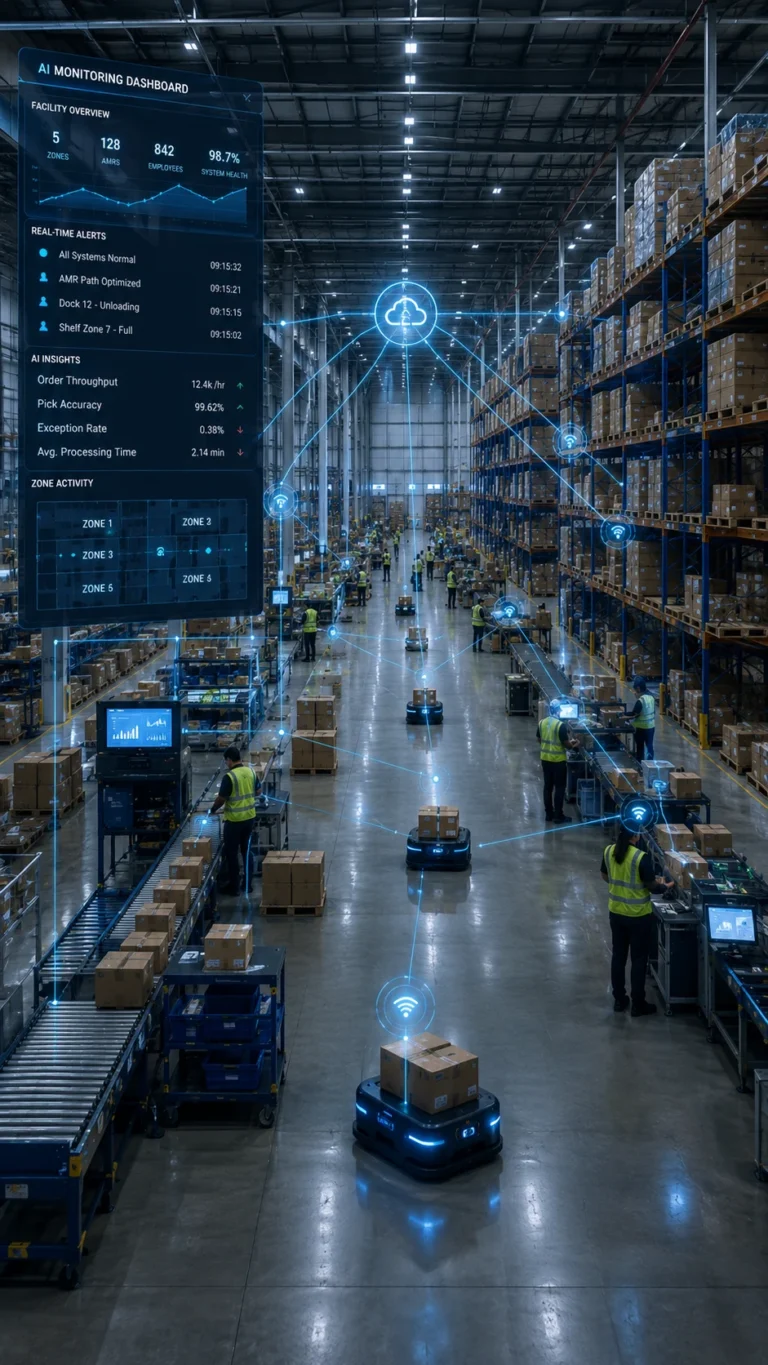
CAPASai enhances existing CCTV systems with AI-powered video analytics, remote monitoring, and real-time alerts.
Rather than relying entirely on manual observation, CAPASai continuously analyzes store activities and identifies predefined events that may indicate security, compliance, or operational concerns. Store managers and monitoring teams can receive immediate notifications, helping them take timely action.
Key capabilities include:
- Real-time event detection
- Remote store monitoring
- Automated alerts
- Customer behavior visibility
- Operational compliance monitoring
- Multi-location oversight
- Centralized monitoring capabilities
- Incident investigation support
This gives businesses more visibility throughout their network of stores while enhancing loss prevention efforts.
How Modern Retailers Are Expanding the Role of Video Monitoring
Retailers today are increasingly using video technology for more than security alone.
Beyond theft prevention, intelligent monitoring can help support:
- Customer experience improvements
- Queue optimization
- Store operations monitoring
- Employee compliance oversight
- Inventory handling visibility
- Multi-store performance management
Consequently, video analytics is evolving from a security resource to a useful operational tool.
When trying to get the most out of their current CCTV investments, organisations frequently contrast AI-driven solutions with conventional surveillance systems.
Benefits of AI-Driven Retail Monitoring
Retailers implementing intelligent video analytics may achieve:
- Faster incident awareness
- Improved operational visibility
- Reduced investigation time
- Better store compliance monitoring
- Enhanced loss prevention efforts
- More efficient resource utilization
- Centralized oversight across locations
- Stronger decision-making capabilities
These benefits help create a more proactive and data-driven approach to retail operations.
Compare the Future of Retail Loss Prevention and Conventional Surveillance
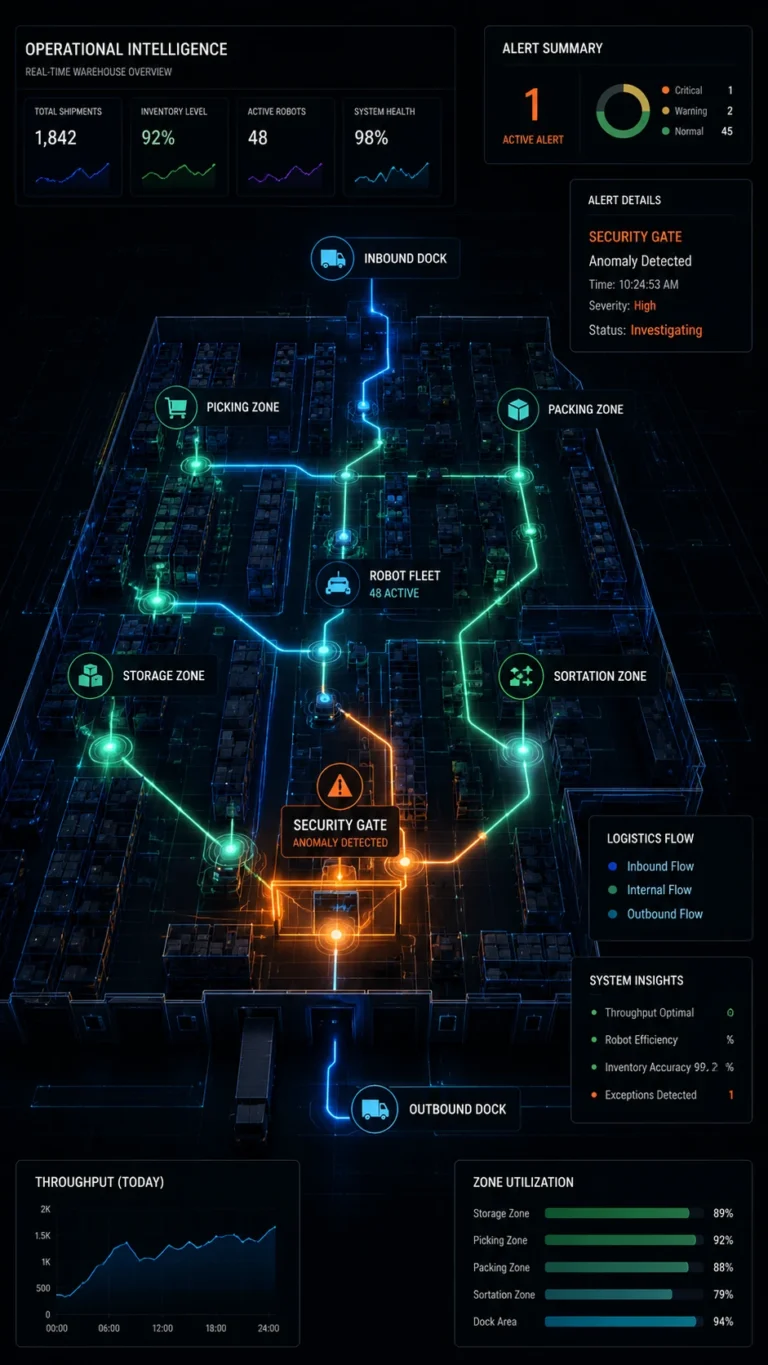
Retail settings are still changing as companies look for more insight into operational performance and security threats. While traditional CCTV surveillance is still useful for documenting incidents and assisting with investigations, many retailers now need tools that help find problems before losses happen. AI-powered video analytics enables a more proactive approach by transforming video footage into actionable insights. For retailers evaluating future loss prevention strategies, the ability to detect, analyze, and respond to events in real time is becoming an increasingly important advantage.