Maintaining consistent product quality is one of the most important objectives in modern manufacturing. Customers expect reliable products, regulatory requirements continue to increase, and competitive pressures leave little room for quality failures. Yet many organizations still face recurring challenges such as process deviations, production inconsistencies, rework, scrap, and avoidable defects.
Traditional quality management approaches often focus on identifying defects after they occur. While inspections and audits remain important, they do not always provide the real-time visibility needed to prevent quality issues before they impact production.
As manufacturers pursue higher levels of operational excellence, Operational AI is emerging as a powerful tool for building zero defect cultures by enabling continuous monitoring, early issue detection, and proactive quality management.
Why Defects Continue To Occur
Even highly automated manufacturing facilities can experience quality issues.
Common causes include:
Process Deviations
Small variations in workflow execution can introduce inconsistencies that affect product quality.
Human Error
Manual activities may result in missed steps, incorrect procedures, or assembly mistakes.
Limited Operational Visibility
Many quality issues develop gradually and remain unnoticed until final inspections occur.
Delayed Corrective Action
When problems are detected late, defects may have already affected multiple products or production batches.
These challenges highlight the need for more proactive quality management strategies.
How Operational AI Supports Zero Defect Manufacturing
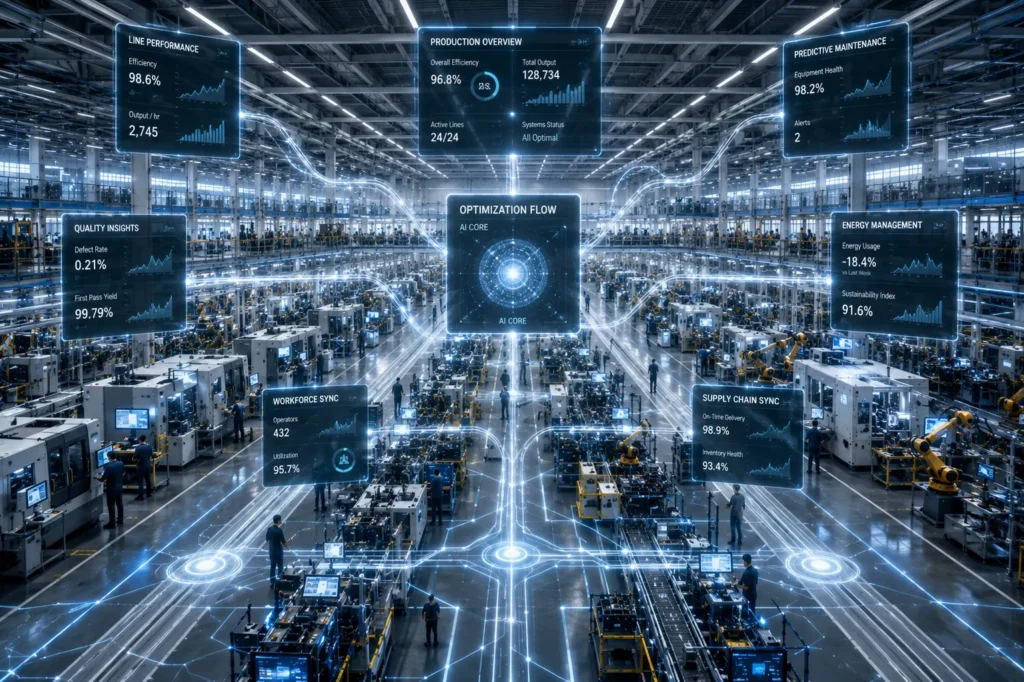
Operational AI helps organizations move from reactive quality control to proactive quality assurance.
By continuously monitoring manufacturing activities, AI provides early visibility into potential quality risks.
Continuous Process Monitoring
AI systems can observe operational activities throughout the production process.
This helps identify deviations before they lead to defects.
Early Anomaly Detection
Small operational anomalies often serve as warning signs of future quality problems.
AI can identify these patterns and alert teams before defects occur.
Process Adherence Verification
AI helps ensure that established operating procedures are followed consistently across production lines.
Greater process consistency often leads to improved product quality.
Real-Time Operational Intelligence
Manufacturers gain immediate insight into quality-related events, enabling faster corrective action and continuous improvement.
What Is A Zero Defect Culture?
A zero defect culture is an operational mindset where quality is embedded into every process, activity, and decision throughout the manufacturing environment.
The goal is not simply to detect defects but to prevent them from occurring in the first place.
Organizations pursuing zero defect manufacturing focus on:
- Process consistency
- Quality assurance
- Continuous improvement
- Operational discipline
- Preventive action
- Employee accountability
- Data-driven decision-making
Compare Traditional Quality Control And Operational AI
Traditional Quality Control | Operational AI |
End-of-line inspections | Continuous monitoring |
Defect detection after occurrence | Early issue identification |
Manual quality reviews | Automated operational intelligence |
Reactive corrective actions | Proactive prevention |
Limited process visibility | Real-time operational awareness |
Periodic analysis | Continuous improvement insights |
This comparison demonstrates how Operational AI helps organizations prevent defects rather than simply finding them.
The Role Of Computer Vision In Defect Prevention
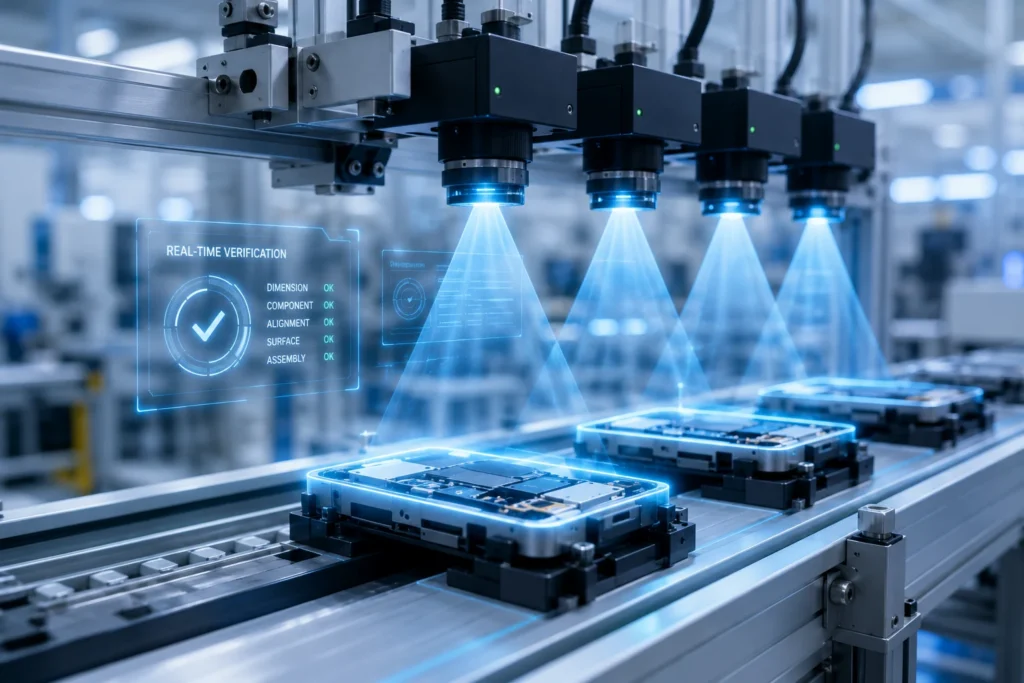
Computer vision has become a critical component of modern quality strategies.
By analyzing visual information from manufacturing environments, computer vision can help organizations:
- Detect product defects
- Verify process adherence
- Monitor assembly accuracy
- Identify workflow deviations
- Support quality assurance initiatives
- Improve operational consistency
These capabilities help strengthen quality performance across the manufacturing process.
Creating A Culture Of Continuous Quality Improvement
Building a zero defect culture requires more than technology alone. It requires a commitment to continuous improvement and operational excellence.
Operational AI supports this objective by helping organizations:
- Improve visibility
- Strengthen accountability
- Reduce process variability
- Standardize operations
- Accelerate problem resolution
- Support data-driven quality decisions
Over time, these improvements contribute to a stronger quality culture throughout the organization.
Turning Quality Into A Competitive Advantage
Manufacturers that consistently deliver high-quality products are better positioned to improve customer satisfaction, reduce operational costs, and strengthen their market reputation.
Operational AI provides the visibility and intelligence needed to identify quality risks early, improve process discipline, and support proactive defect prevention. By embedding continuous monitoring and real-time operational awareness into daily operations, organizations can move closer to achieving the goal of zero defect manufacturing.
As smart manufacturing continues to evolve, Operational AI will play an increasingly important role in helping organizations build resilient, efficient, and quality-focused production environments.
How CAPASai Supports Zero Defect Manufacturing
CAPASai helps manufacturers strengthen quality assurance through AI-powered video analytics, real-time monitoring, operational intelligence, and intelligent alerts. By continuously monitoring production activities, process adherence, and operational performance, CAPASai enables organizations to identify quality risks early, reduce process variability, improve consistency, and support zero defect manufacturing initiatives.