Performance has traditionally been measured through outcomes. Organizations track productivity, quality, compliance scores, safety incidents, customer satisfaction, and operational efficiency to evaluate how effectively teams are performing. While these metrics remain important, they often reveal results rather than the underlying behaviors that produced those results.
For leaders responsible for operational excellence, a recurring challenge exists across industries: understanding how work is actually performed in real-world environments. Whether on a manufacturing floor, within a logistics center, inside a retail store, or across a healthcare facility, countless human interactions influence operational outcomes every day. Yet many of these activities remain difficult to measure objectively and consistently.
This challenge is driving growing interest in Human Performance Analytics powered by computer vision.
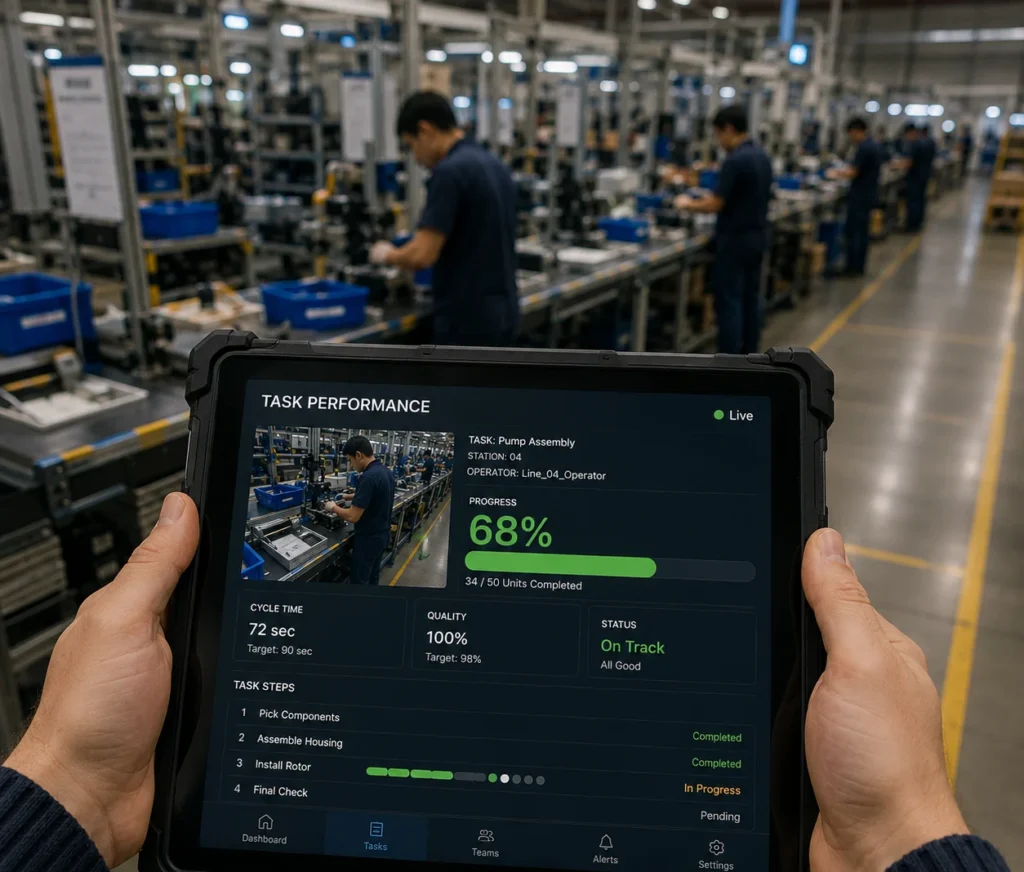
The Missing Layer In Operational Performance Management
Organizations have become increasingly skilled at collecting business data. Dashboards, enterprise systems, and performance reports provide visibility into operational outcomes. However, understanding the human factors behind those outcomes often remains more difficult.
Common questions include:
- Why do some teams consistently outperform others?
- Which operational behaviors contribute to compliance success?
- Where do workflow inefficiencies originate?
- What causes process variation across locations?
- How can organizations improve safety performance without increasing supervision?
Traditional management approaches often rely on observations, audits, coaching sessions, and periodic reviews to answer these questions. While valuable, these methods can be time-consuming, subjective, and difficult to scale across large operations.
From Measuring Results To Understanding Behaviors
Human Performance Analytics shifts the focus from outcomes alone to the operational activities that influence those outcomes.
Using computer vision and AI-powered video analytics, organizations can gain deeper insight into workplace behaviors, workflow patterns, process adherence, and operational interactions without relying exclusively on manual observation.
The objective is not employee surveillance. The objective is operational understanding.
By analyzing how processes are executed, organizations can identify opportunities to improve efficiency, consistency, safety, and compliance.
Operational Behaviors That Influence Performance
Every enterprise environment contains countless micro-decisions that affect overall results.
Movement And Workflow Efficiency
Excessive travel, waiting periods, congestion points, and inefficient task sequencing can reduce productivity without being visible in traditional reports.
Process Adherence
Teams may follow established procedures differently across shifts, locations, or departments, creating variations in quality and compliance outcomes.
Safety Behaviors
Consistent use of protective equipment, adherence to safety protocols, and compliance with operational standards significantly influence workplace risk.
Resource Utilization
Human Performance Analytics can help organizations understand how employees interact with equipment, workstations, and operational resources throughout the day.
These insights create opportunities for targeted improvement initiatives.

Compare Traditional Performance Reviews And Human Performance Analytics
Performance Dimension | Traditional Approach | Human Performance Analytics |
Performance Visibility | Outcome-Based | Behavior + Outcome-Based |
Data Collection | Audits And Reviews | Continuous Observation |
Process Analysis | Periodic Assessment | Real-Time Insights |
Root Cause Identification | Often Reactive | More Proactive |
Multi-Site Consistency | Difficult To Measure | Easier To Benchmark |
Organizations increasingly compare these approaches as complementary rather than competing methods. Performance metrics explain results, while Human Performance Analytics helps explain why those results occur.
Supporting Continuous Workforce Improvement
One of the most valuable applications of Human Performance Analytics is its ability to support continuous improvement programs.
Rather than relying solely on assumptions or anecdotal feedback, teams can use objective operational evidence to guide improvement efforts.
Examples include:
- Identifying workflow bottlenecks
- Reducing unnecessary movement
- Improving task sequencing
- Strengthening process consistency
- Enhancing workplace safety
- Supporting employee coaching initiatives
Because insights are based on observable operational activities, improvement discussions become more fact-based and actionable.
Industry Applications Of Human Performance Analytics
The value of Human Performance Analytics extends across multiple sectors.
Manufacturing And Industrial Operations
Organizations use computer vision to understand workflow efficiency, support quality initiatives, and improve process adherence.
Logistics And Warehousing
Operational leaders analyze material handling activities, warehouse movement patterns, and loading processes to improve throughput.
Retail And Quick Service Restaurants
Businesses monitor operational consistency, customer service processes, and store execution standards across locations.
Healthcare And Hospitals
Healthcare providers seek better visibility into workflow efficiency, resource utilization, and procedural compliance.
Education And Public Infrastructure
Institutions can evaluate operational processes while supporting safety, compliance, and service delivery objectives.
Creating A More Data-Informed Workforce Strategy
Human Performance Analytics is changing how organizations think about workforce optimization.
Historically, operational improvements often depended on periodic reviews and management intuition. Today, enterprises are increasingly adopting evidence-based approaches that combine operational data with behavioral insights.
This shift enables leaders to make more informed decisions about process design, workforce development, training priorities, and operational improvements.
Rather than focusing solely on what happened, organizations gain a better understanding of how performance is created.
How CAPASai Enables Human Performance Analytics
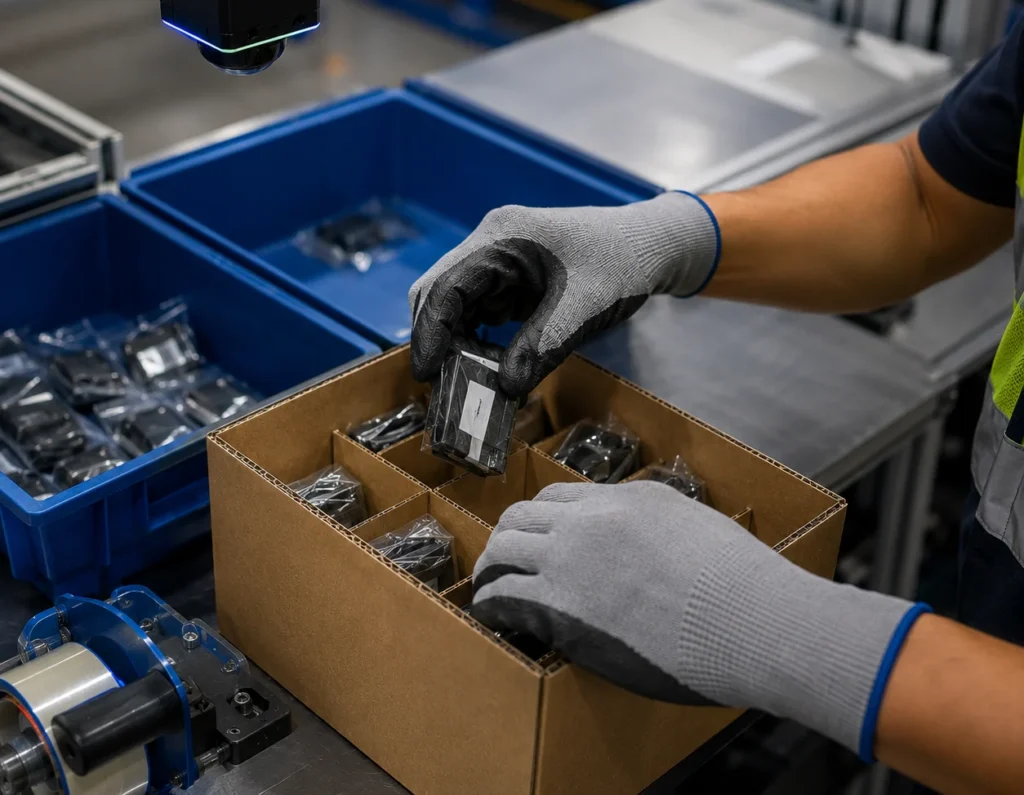
As organizations seek greater visibility into operational performance, technologies that transform visual information into actionable insights are becoming increasingly important. CAPASai supports Human Performance Analytics through AI-powered video analytics, remote monitoring, and real-time alerting capabilities that help enterprises understand workflow behaviors, identify process inefficiencies, and strengthen compliance oversight. By converting everyday operational activities into measurable intelligence, organizations can support continuous improvement while enhancing operational effectiveness.