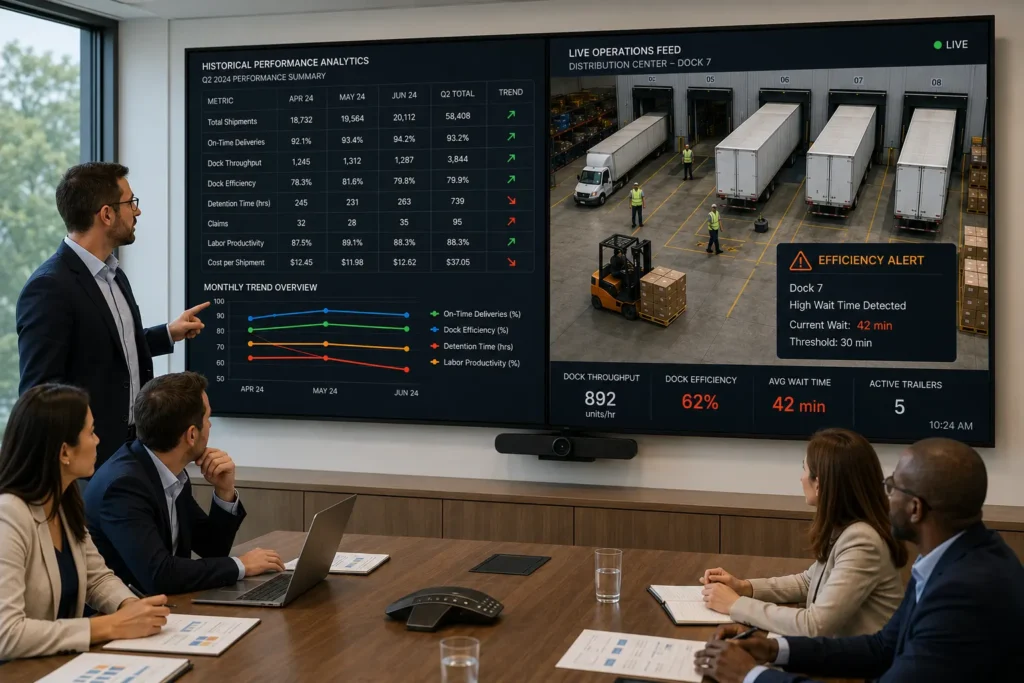
A surprising reality exists inside many enterprises: despite years of investment in dashboards, reports, and analytics platforms, critical operational issues still go unnoticed until they affect performance, compliance, or customer experience. The reason is not necessarily a lack of data. In many cases, organizations possess more operational data than ever before. The challenge lies in the fact that traditional analytics often explains what happened after the fact, while operational leaders increasingly need visibility into what is happening right now.
This growing gap between information and action is changing how enterprises think about operational intelligence. Rather than relying solely on historical reports, organizations are beginning to seek systems capable of interpreting live environments, identifying exceptions, and providing immediate context for decision-making. This transition is driving the emergence of visual intelligence as a strategic capability across industries.
From Reports To Real-Time Awareness
The distinction between traditional analytics and visual intelligence is not simply technological. It represents a different approach to operational management.
Perspective | Traditional Analytics | Visual Intelligence |
Primary Focus | Historical Performance | Live Operations |
Data Source | Structured Data | Visual Data + Operational Context |
Decision Timing | Reactive | Proactive |
Compliance Monitoring | Periodic | Continuous |
Operational Visibility | Limited | Real-Time |
Organizations increasingly compare these approaches not as competing solutions but as complementary capabilities. Analytics remains valuable for strategic planning, while visual intelligence strengthens operational execution.
Business Functions Being Reshaped By Visual Intelligence
The impact of visual intelligence extends far beyond security monitoring.
Operational Compliance
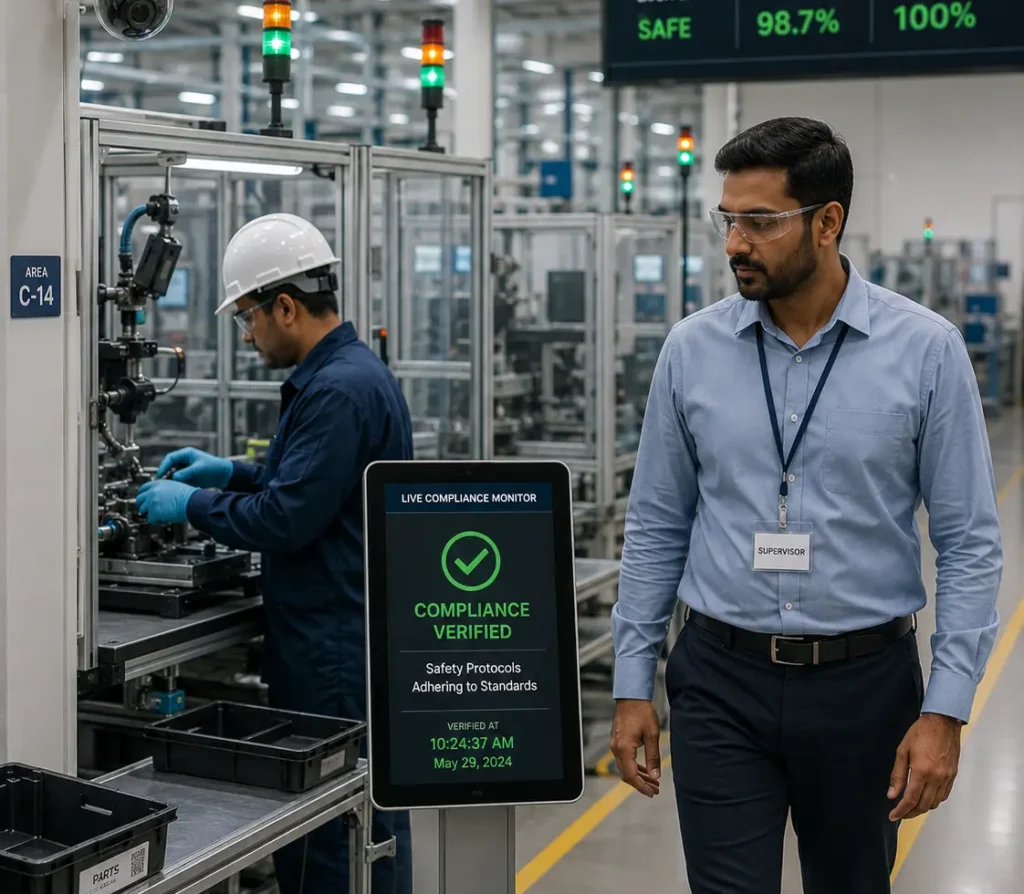
Organizations can continuously verify adherence to procedures, workplace policies, and regulatory requirements without relying solely on manual reviews.
Workforce Safety
Potential hazards, restricted-area access violations, and unsafe behaviors can be detected more rapidly, allowing corrective action before incidents escalate.
Process Consistency
Visual monitoring helps identify deviations from established workflows, supporting operational standardization across multiple locations.
Asset Utilization
Enterprises gain deeper insight into how equipment, facilities, and operational resources are being used throughout the day.
Customer Experience
Retailers and service providers can better understand service delivery, queue management, and customer engagement patterns.
The Multi-Site Visibility Challenge
One of the most significant drivers behind visual intelligence adoption is the growing complexity of enterprise operations.
Regional leaders may be responsible for dozens or even hundreds of facilities spread across different locations. Traditional oversight methods often depend on site visits, audits, reports, and periodic reviews. While valuable, these approaches provide only snapshots of operational performance.
Visual intelligence supports a more scalable model by enabling centralized visibility across geographically distributed environments. Decision-makers can gain a clearer understanding of operational conditions without being physically present at every location.
Building A Culture Of Measurable Accountability
Organizations pursuing operational excellence increasingly emphasize evidence-based decision-making. Rather than relying on assumptions, subjective observations, or delayed reporting, teams can access objective insights derived from real-world activities.
This approach strengthens:
- Accountability
- Process consistency
- Compliance governance
- Risk management
- Continuous improvement initiatives
As enterprises become more data-driven, visual intelligence is emerging as a critical component of broader operational transformation strategies.
Where CAPASai Fits Into This Evolution
The growing demand for real-time operational awareness is creating opportunities for intelligent monitoring platforms that convert visual data into meaningful business insights. CAPASai contributes to this shift through AI-powered video analytics, remote monitoring capabilities, and real-time alerting mechanisms that help enterprises strengthen visibility across operations. By transforming everyday video streams into actionable intelligence, organizations can improve responsiveness while supporting compliance and operational performance objectives.