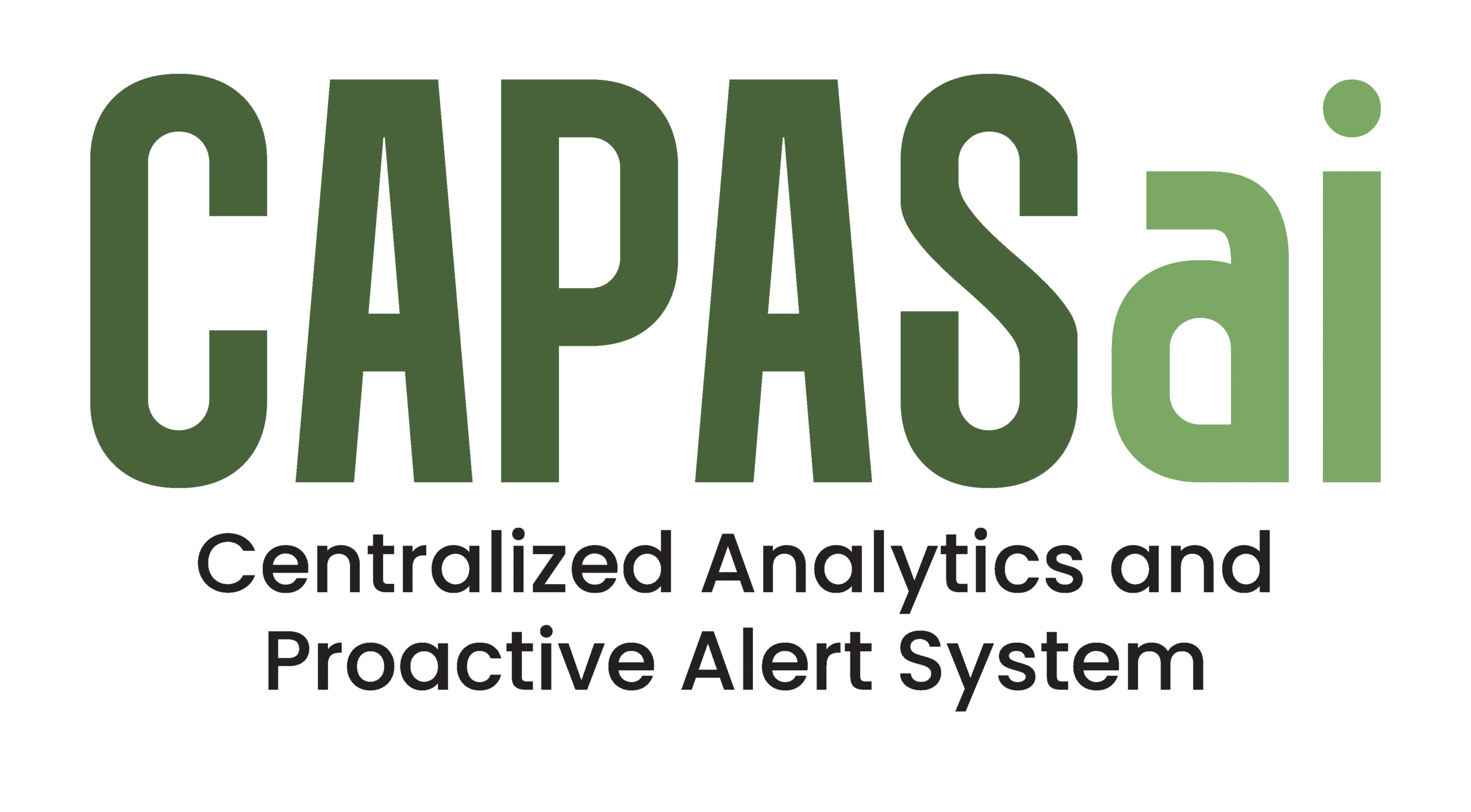
A telecom network can fail without a single dramatic breakdown. A field complaint may remain unresolved because the right team was not assigned, a fibre fault may require repeated visits, a site inspection may be delayed, or a preventive-maintenance task may be recorded as completed without resolving the underlying issue. For Bharat Sanchar Nigam Limited, which operates across mobile, broadband, FTTH, enterprise connectivity, data centres, and other telecommunications services, AI based SOP analytics and video analytics can strengthen service assurance by connecting network procedures with what happens in the field.
Think Beyond Network Uptime
Network availability is an important performance measure, but it does not explain every operational weakness. A service can be restored while the same fault continues to recur. A work order can be closed while the customer experiences another interruption soon afterwards.
AI based SOP analytics can examine the processes surrounding network operations, including fault registration, assignment, escalation, field visits, equipment inspection, preventive maintenance, restoration, and closure.
The system can identify patterns such as:
- Repeated faults associated with a particular asset or route.
- Delays between complaint registration and field assignment.
- Maintenance activities repeatedly postponed.
- Work orders frequently reopened after closure.
- Recurring exceptions in restoration procedures.
- Corrective actions that remain unresolved beyond defined timelines.
This gives BSNL a way to examine service reliability as a process rather than simply as a network statistic.
The Field Workforce Is Where Procedures Become Real
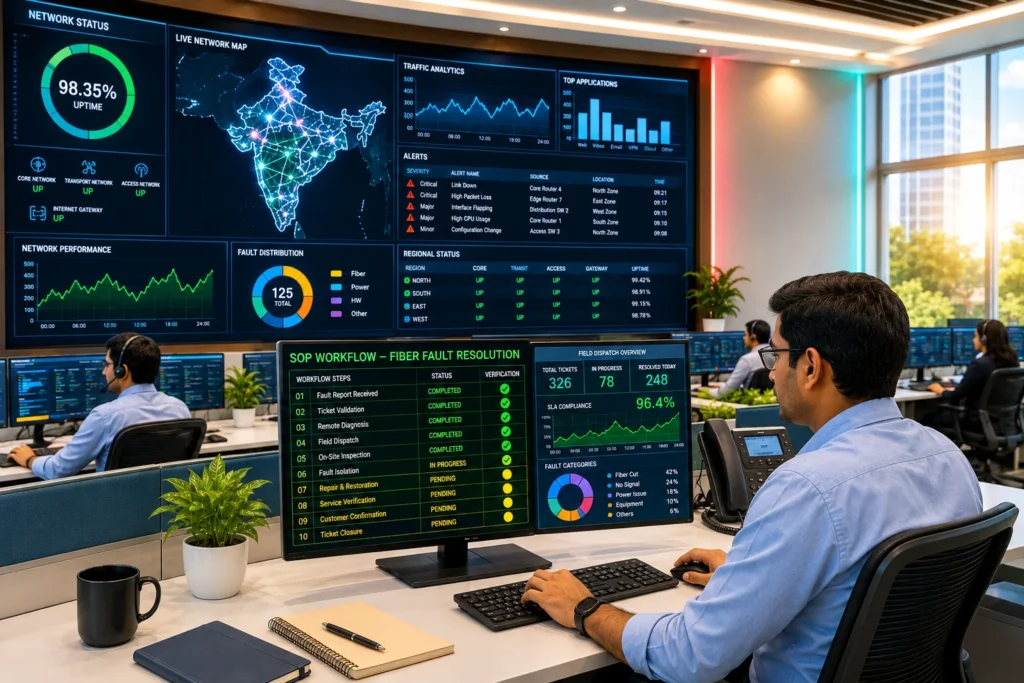
Telecom infrastructure depends heavily on field activity. Technicians may work at exchanges, fibre routes, towers, cabinets, customer premises, and other infrastructure locations.
SOP analytics can compare field records against defined procedures for preventive maintenance, fault restoration, equipment inspection, site access, safety checks, and documentation.
If repeated exceptions occur during a particular stage, BSNL can investigate whether the cause is training, spare availability, route access, workload, equipment condition, or an impractical procedure.
This makes analytics useful for improving the workflow rather than simply measuring employee compliance.
Video Analytics For Telecom Infrastructure
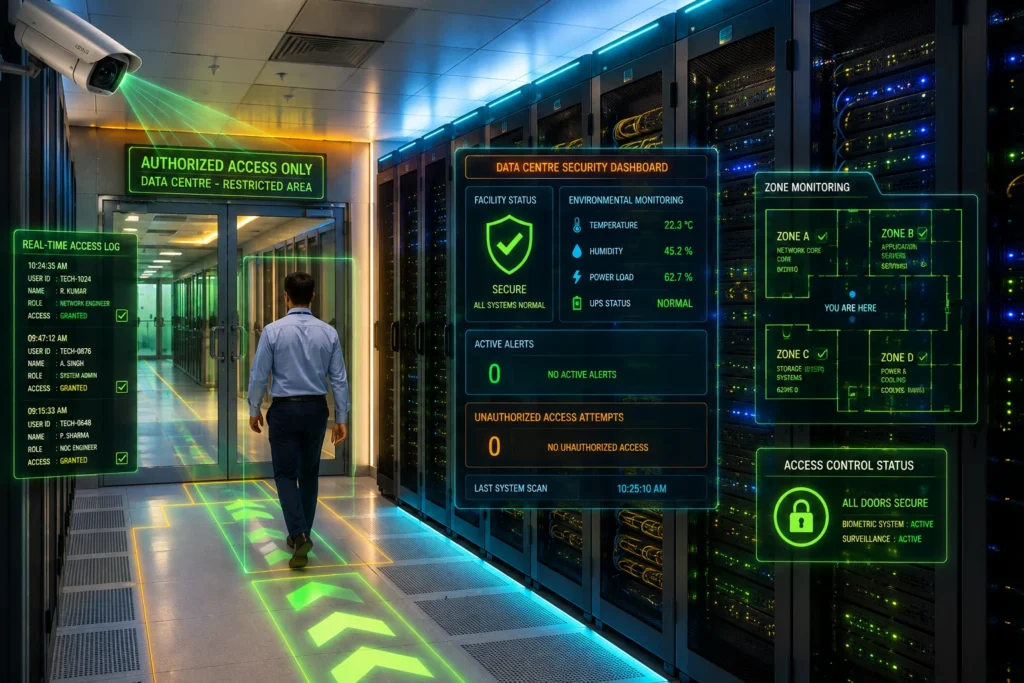
Telecom sites contain physical environments where security and safety are important. Exchanges, data centres, equipment rooms, warehouses, towers, and other controlled facilities may have surveillance infrastructure suitable for targeted video analytics.
Potential applications include detecting unauthorised entry into restricted areas, identifying movement near sensitive equipment, monitoring vehicle access at selected facilities, and supporting investigation of physical security incidents.
At network infrastructure sites, different rules can be configured according to the location. A data centre may require strict access monitoring, while a field facility may require attention to perimeter movement and equipment zones.
Video analytics should generate events for authorised personnel to review rather than automatically classify an incident or assign responsibility.
A Stronger Approach To Fault Recurrence
One of the most valuable applications for BSNL could be understanding why the same service problem keeps returning.
Suppose a broadband or fibre customer experiences repeated disruptions. SOP analytics can examine the fault history, previous visits, equipment interventions, restoration times, and closure records.
If relevant video coverage exists at a nearby infrastructure location, video analytics may provide additional context about access, physical activity, or a security-related event.
Supporting FTTH And Last-Mile Operations
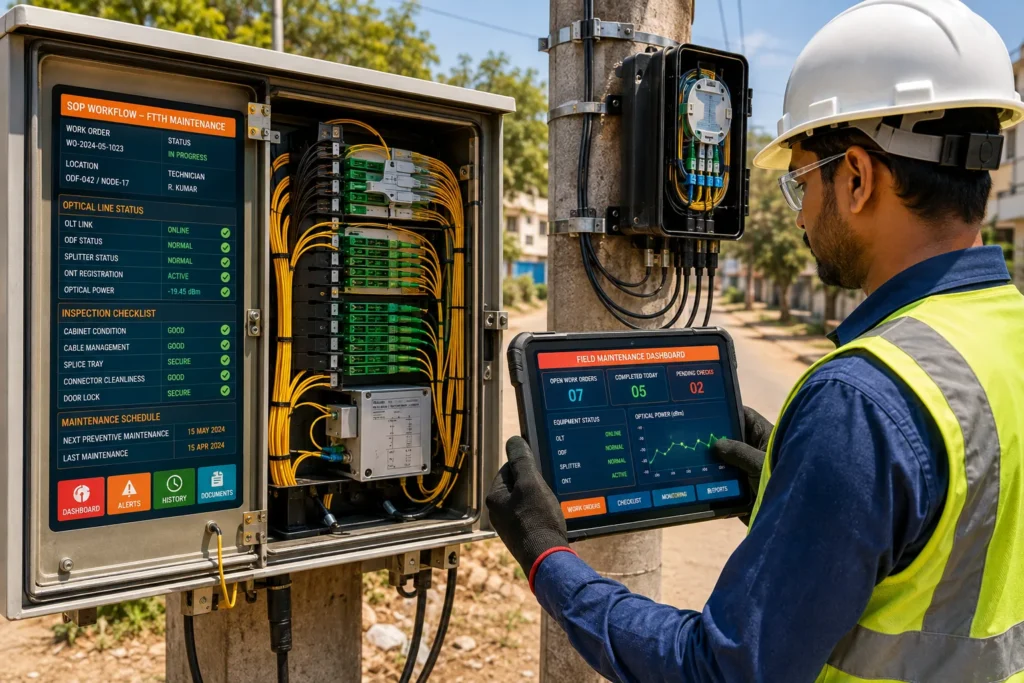
FTTH networks depend on a chain that includes optical line equipment, aggregation infrastructure, fibre routes, distribution points, and customer-side installations.
SOP analytics can examine defined installation, activation, fault-handling, inspection, and maintenance procedures. Recurring delays can be analysed by region, service type, workflow stage, or operational team.
Video analytics can support selected access-controlled fibre facilities, equipment rooms, and work areas by detecting predefined physical events.
Enterprise Services Need A Different Lens
BSNL also provides enterprise connectivity such as leased lines, managed network services, MPLS VPN, Internet-related connectivity, and data-centre services. These customers can have different service expectations and escalation requirements from mass-market subscribers.
AI based SOP analytics can therefore evaluate enterprise fault handling, escalation timelines, service provisioning, maintenance activities, and corrective actions against defined service procedures.
From Alert Generation To Service Improvement
AI should be judged by whether it improves operational outcomes.
A BSNL pilot could track:
Measure | What It Can Reveal |
Repeat fault rate | Whether corrective action is effective |
Restoration time | Efficiency of field response |
Work-order reopening | Quality of closure |
Maintenance compliance | Preventive process discipline |
Video-alert accuracy | Practical usefulness of surveillance analytics |
A focused pilot around recurring fibre faults, restricted-area security, preventive maintenance, or enterprise-service restoration can establish a baseline before wider deployment.
Because telecom operations involve sensitive infrastructure and customer information, access control, cybersecurity, data retention, auditability, privacy safeguards, and human review should be designed into the programme.
For Bharat Sanchar Nigam Limited, the strongest opportunity is to make service assurance more evidence-driven. AI based SOP analytics can identify where operational procedures repeatedly fall short, while video analytics can add physical context around selected infrastructure environments. Together, they can support faster investigation, stronger preventive maintenance, improved infrastructure security, and more consistent customer service.
FAQs
It can analyse fault, maintenance, restoration, and closure records to identify recurring process or asset-related patterns that require deeper investigation.
Yes. Suitable facilities can use it for defined access-control, restricted-zone, vehicle, and security-event monitoring with appropriate governance.
Yes. SOP analytics can examine installation, activation, maintenance, and fault-resolution workflows, while video analytics can support selected physical infrastructure locations.
It can identify recurring delays in provisioning, fault escalation, restoration, maintenance, and corrective-action workflows for defined enterprise services.